Ljubljana feels like a city that breathes. The streets stay calm even in the center. Bicycles glide past café tables. River reflections soften the afternoon light. Instead of noise, there is conversation, footsteps, and the steady rhythm of daily life. It is often called Europe’s Green Capital, yet what visitors notice first is not policy or infrastructure, but atmosphere.
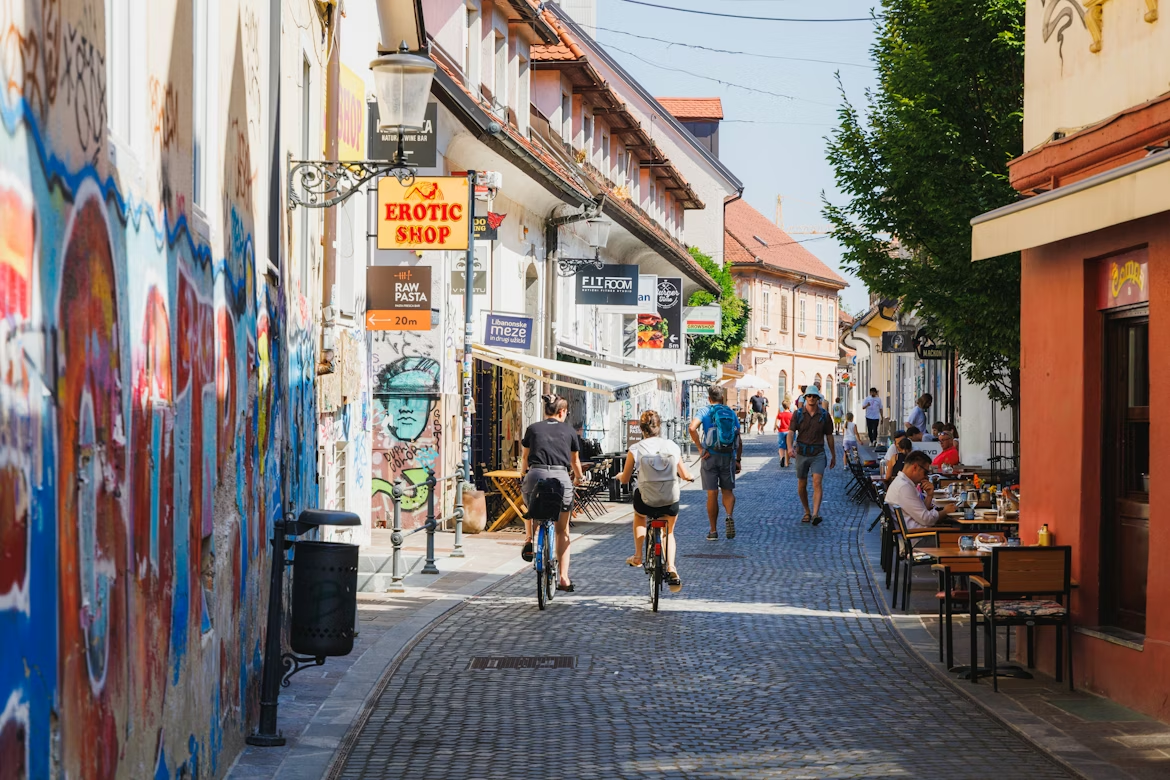
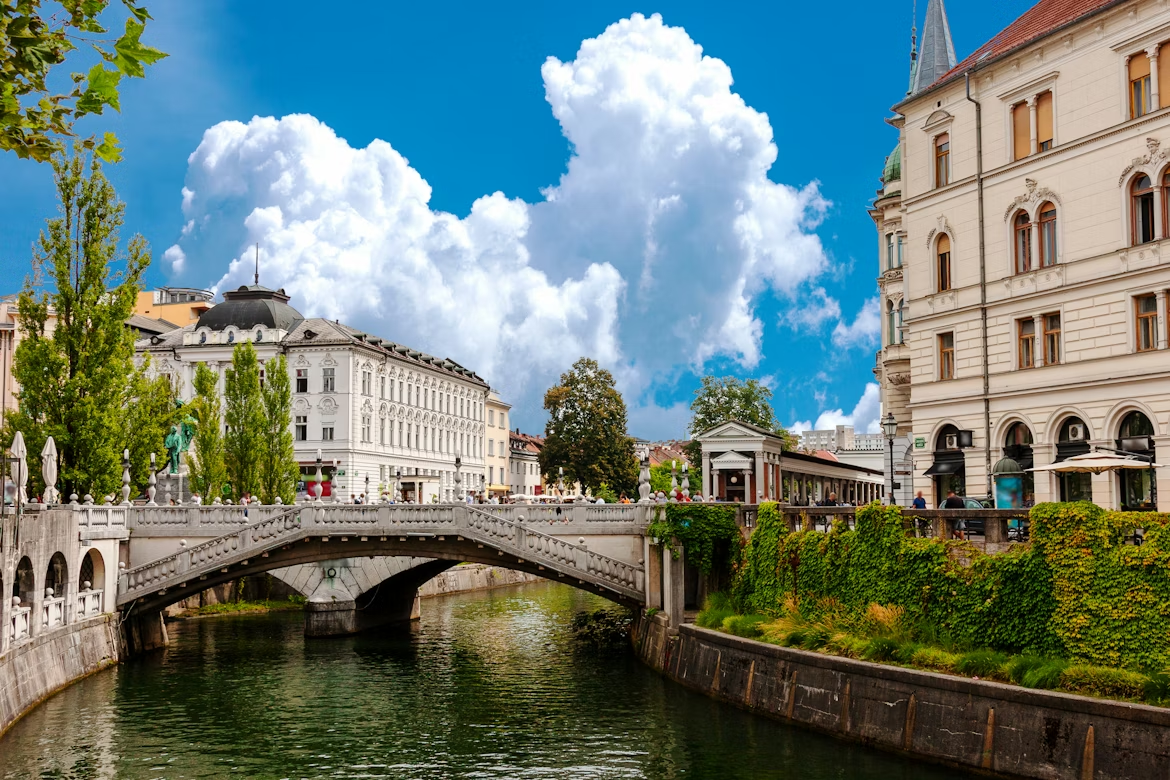
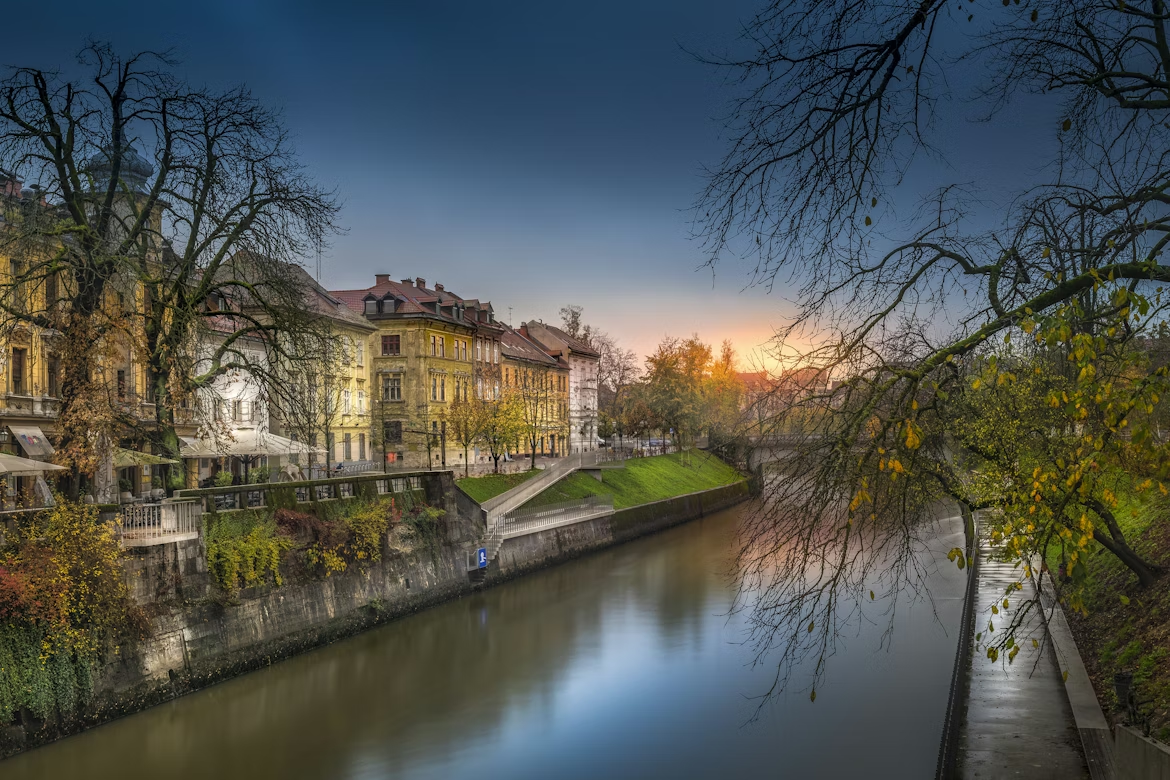
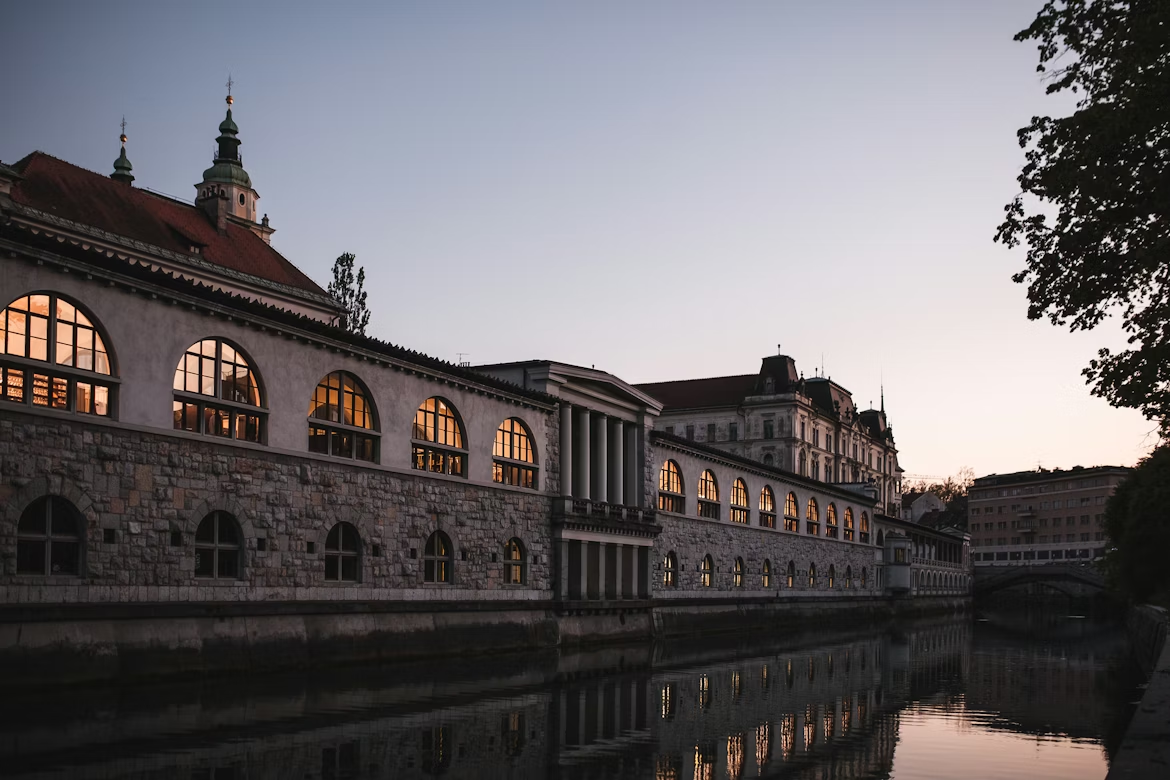
The Ljubljanica River shapes the city’s emotional core. Walking along its banks in the early morning feels almost private. Locals jog quietly. Market vendors arrange fruit under canvas shades. Bridges connect neighborhoods without urgency. The Triple Bridge gathers people naturally, not as a monument but as a meeting place. Later in the afternoon, boats slide under stone arches while café chairs fill slowly with espresso cups and notebooks. Time stretches gently here.
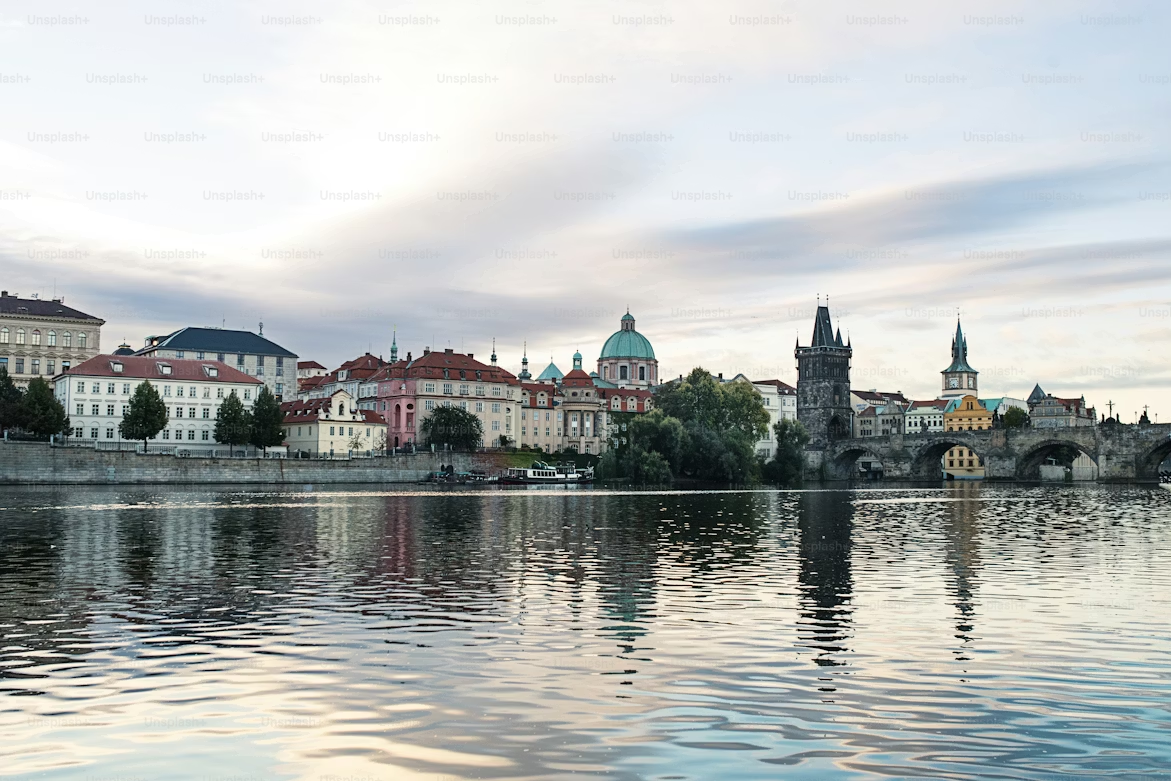
Climbing toward Ljubljana Castle shifts perspective. The path rises through shaded trees and scattered viewpoints. At the top, rooftops form a soft patchwork rather than a dense skyline. On clear days, distant Alpine ridges frame the horizon. The city appears compact and approachable. Nothing overwhelms the eye. The descent feels like returning to a village rather than leaving a capital.
Green space flows directly into daily routines. Tivoli Park connects residential streets to walking paths and quiet lawns. Locals read under tall trees. Children chase pigeons across wide gravel paths. Even short breaks feel restorative. The park’s openness reinforces how closely nature integrates with the city’s rhythm.
Food culture mirrors this simplicity. Farmers’ markets highlight seasonal produce, local honey, cheeses, and fresh bread. Small bistros favor straightforward flavors rather than heavy presentation. A bowl of soup feels honest. Pastries remain lightly sweet. Wine bars showcase regional Slovenian vineyards, often poured by staff eager to explain grape varieties without pretense. Meals become conversations instead of performances.
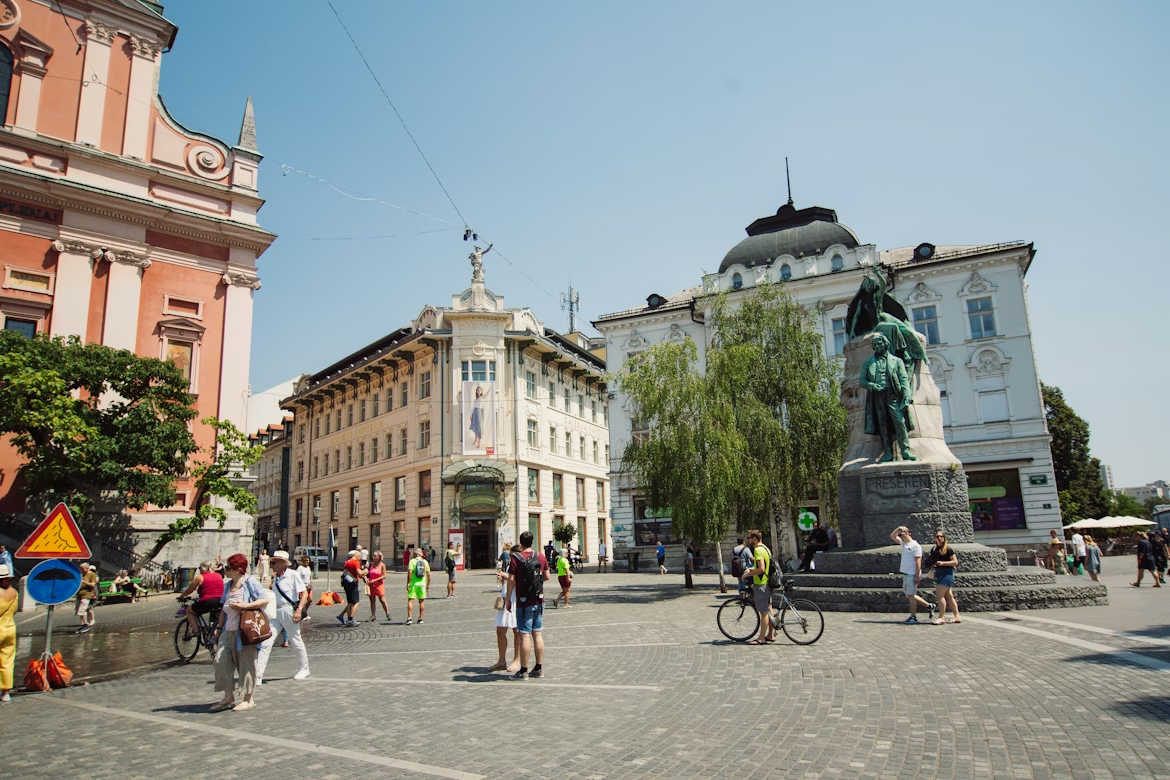
Design and sustainability appear subtly rather than loudly. Pedestrian zones reduce traffic noise. Public bikes wait on nearly every corner. Reusable cups and local sourcing feel normalized. Architecture blends pastel façades with modern glass structures without visual tension. The city respects scale. Buildings rarely dominate streets.
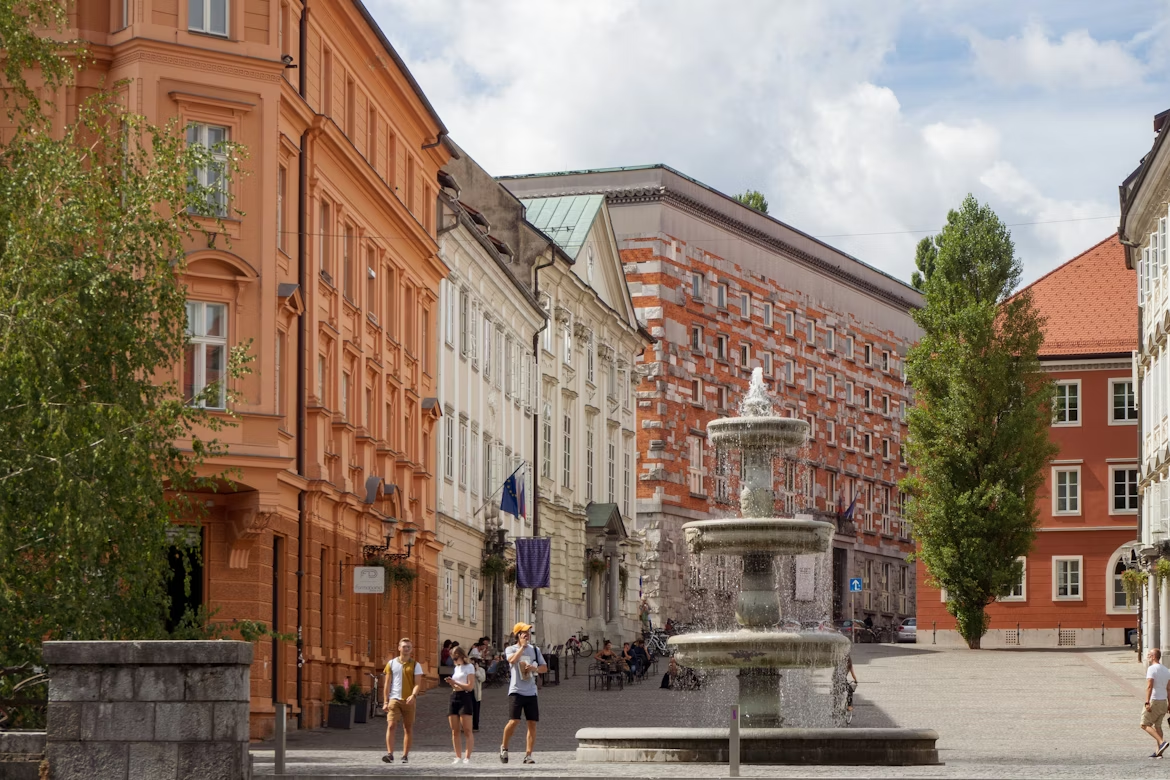
What surprises many visitors is how easy Ljubljana feels emotionally. There is little pressure to rush, queue, or compete for space. Even in peak season, movement remains fluid. Locals greet visitors with quiet curiosity rather than transactional hospitality. English flows easily, yet cultural identity remains intact.
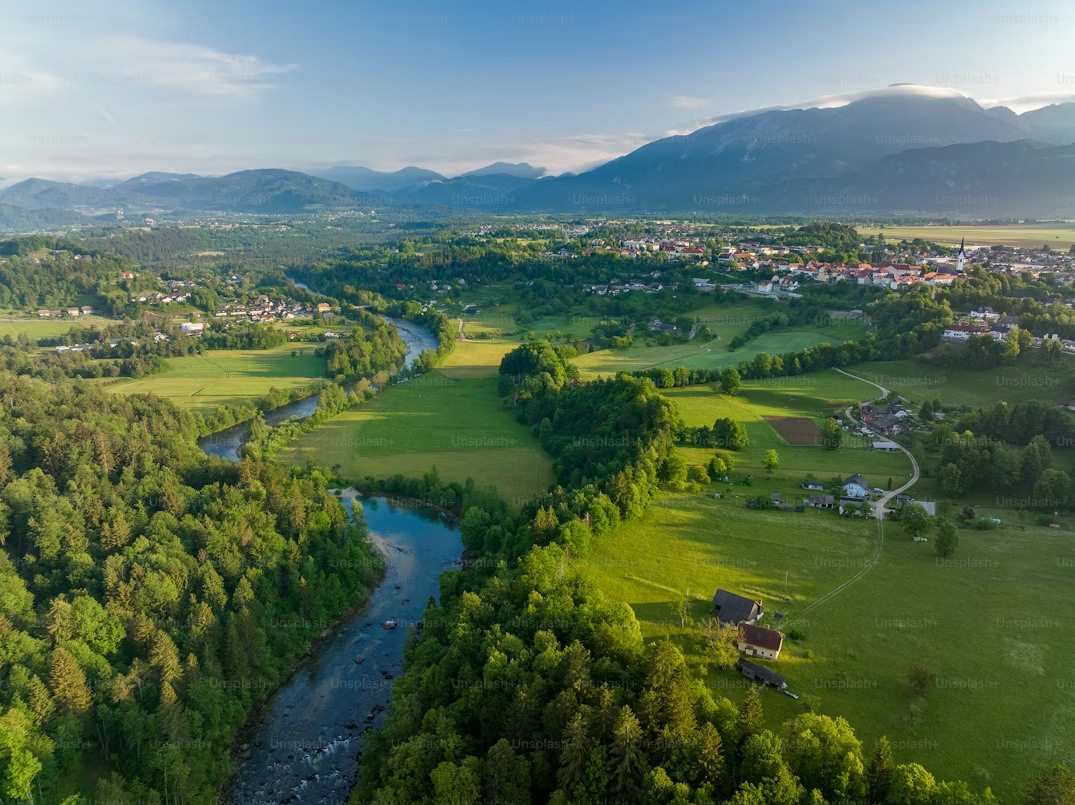
Ljubljana works beautifully as both a base and a destination. Lake Bled sits less than an hour away. Alpine valleys and wine regions extend within short drives. Yet returning to the city each evening feels grounding rather than anticlimactic. The compact center restores calm after day trips.
For travelers seeking balance rather than spectacle, Ljubljana offers something rare. It delivers charm without crowds. Nature without isolation. Culture without fatigue. Days unfold gently. Memory forms quietly. The city does not try to impress. It simply welcomes presence.