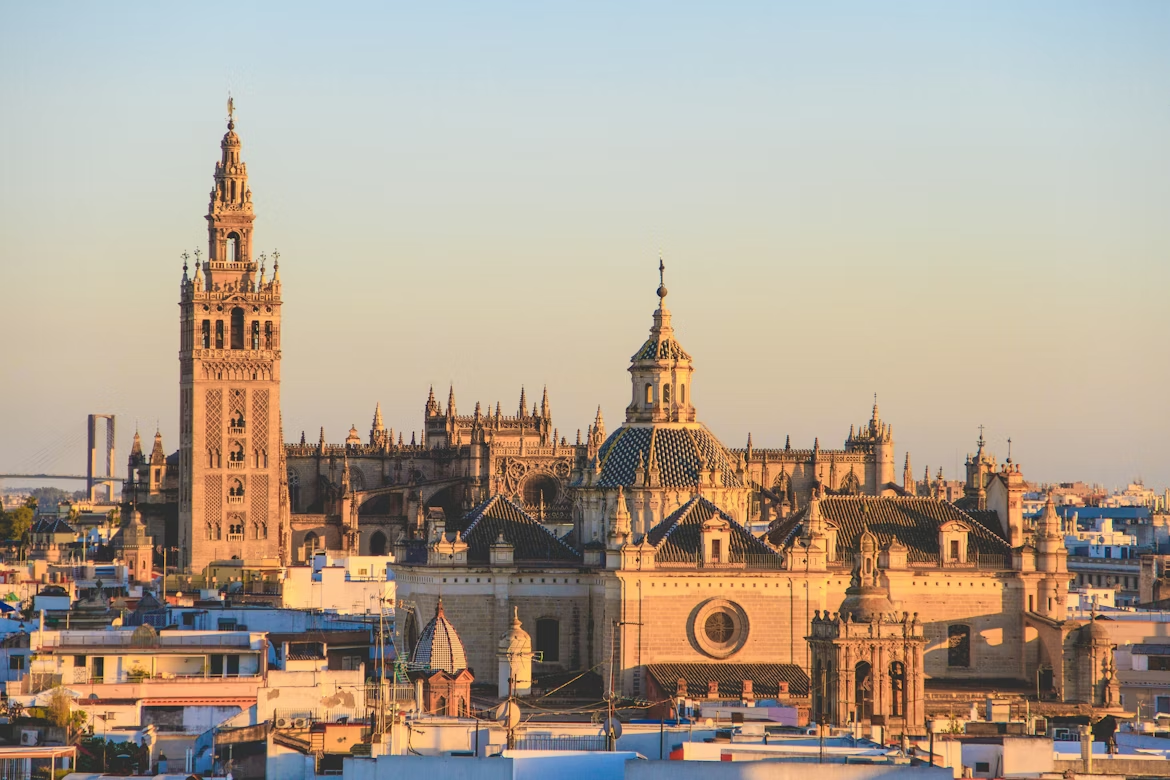
Seville reveals itself slowly. Beyond the grand plazas and crowded landmarks, everyday life continues in quieter neighborhoods where routines remain unchanged. Laundry hangs across narrow balconies. Bakery doors open before sunrise. Conversations drift through shaded courtyards. These streets hold the city’s real rhythm.
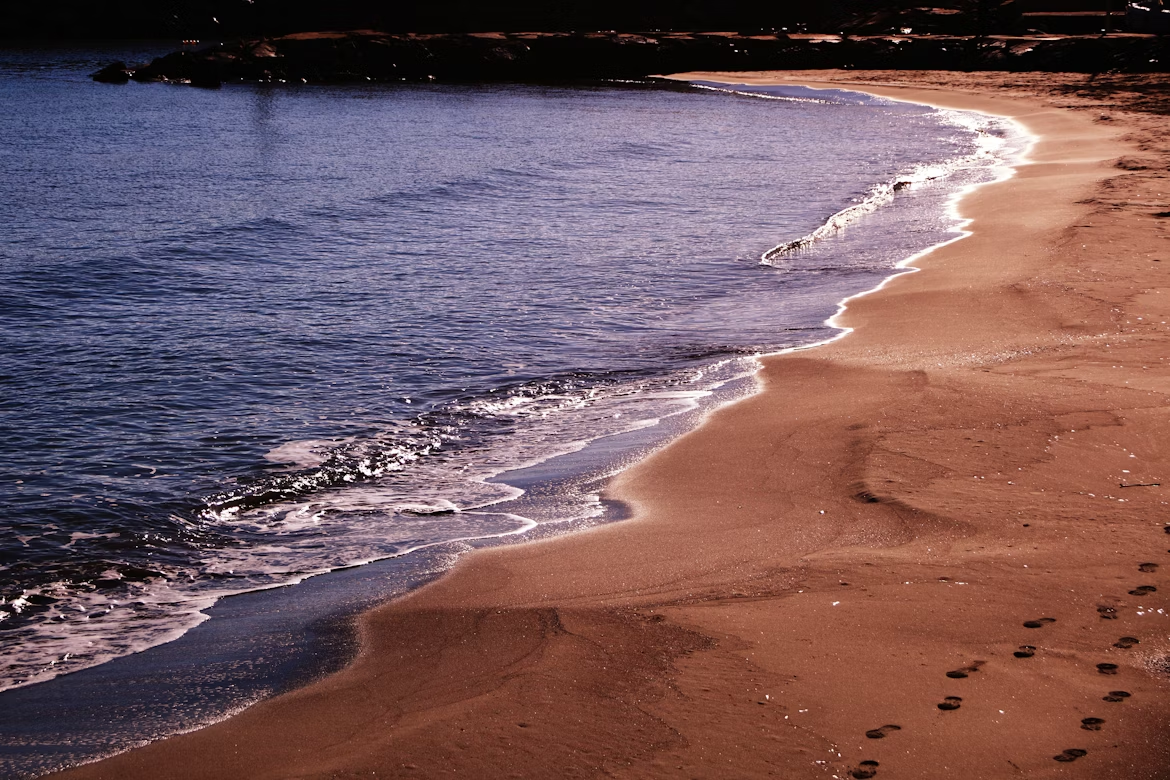
Walking into San Lorenzo in the early morning feels like stepping into a village. Elderly neighbors greet each other near small grocery shops. Bread trucks unload fresh loaves onto wooden shelves. The smell of coffee drifts from corner bars where locals stand rather than sit. Church bells echo softly through low-rise streets. The pace stays unhurried. Even simple errands feel social.
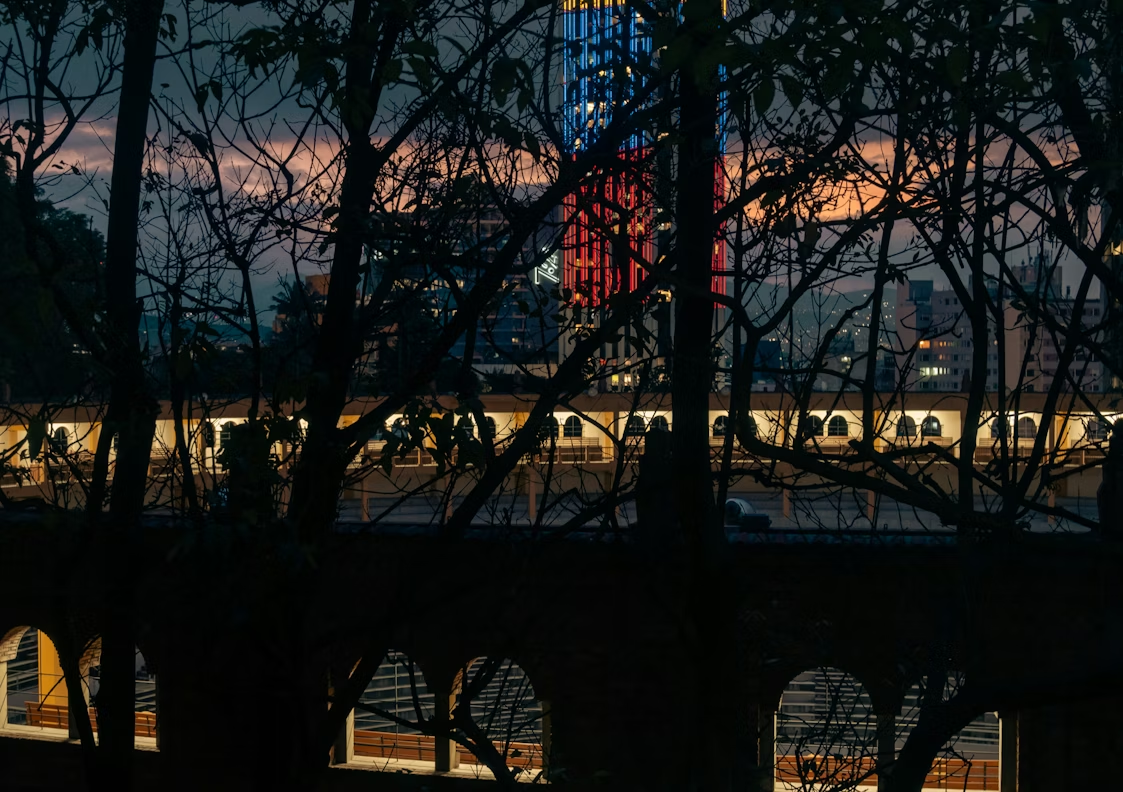
Further south, La Macarena carries a youthful energy layered over tradition. Murals brighten quiet walls. Small music schools practice guitar behind open windows. Students gather on shaded steps after class. Traditional tapas bars coexist with creative cafés without tension. On warm evenings, families push strollers through neighborhood squares while children play football near fountains. The balance between old and new feels organic rather than curated.
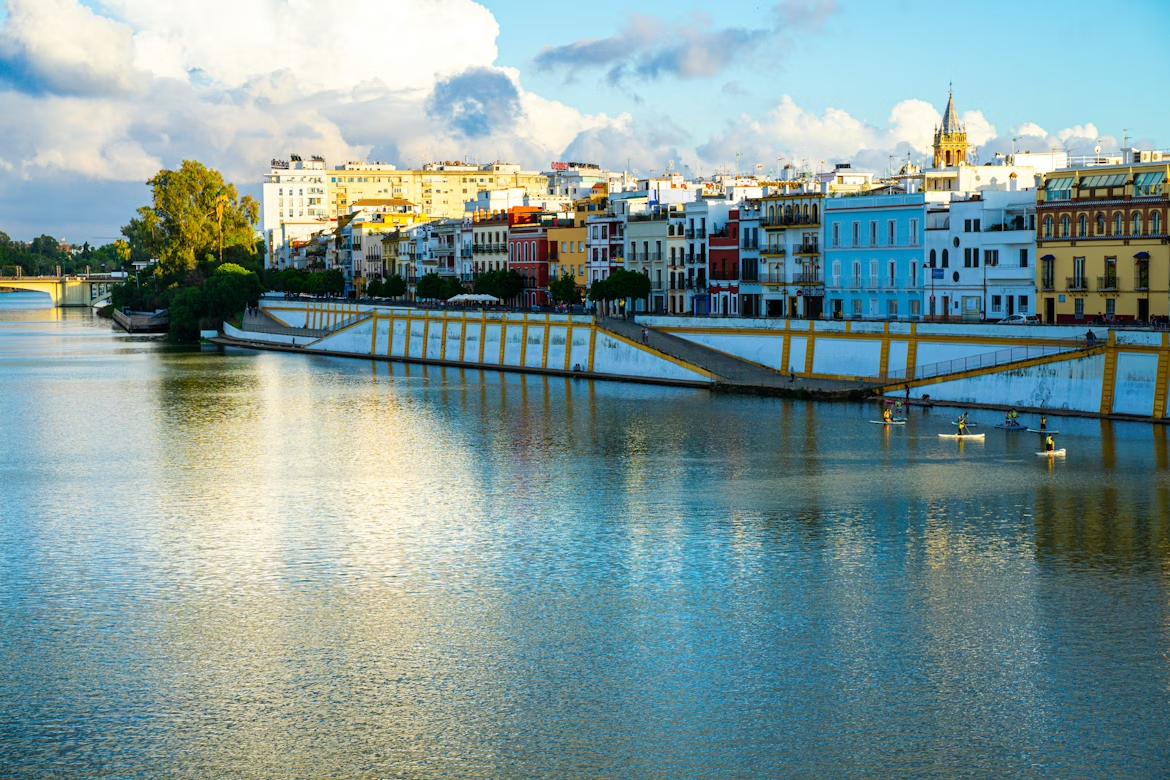
Crossing the river into Triana shifts the atmosphere again. Ceramic workshops display hand-painted tiles in open storefronts. Flamenco rhythms echo faintly from rehearsal rooms. Market stalls overflow with olives, seafood, and local cheese. Walking along the river at sunset, reflections stretch across calm water while bridges glow softly. Locals linger on benches rather than rushing home. The neighborhood feels proud yet relaxed.
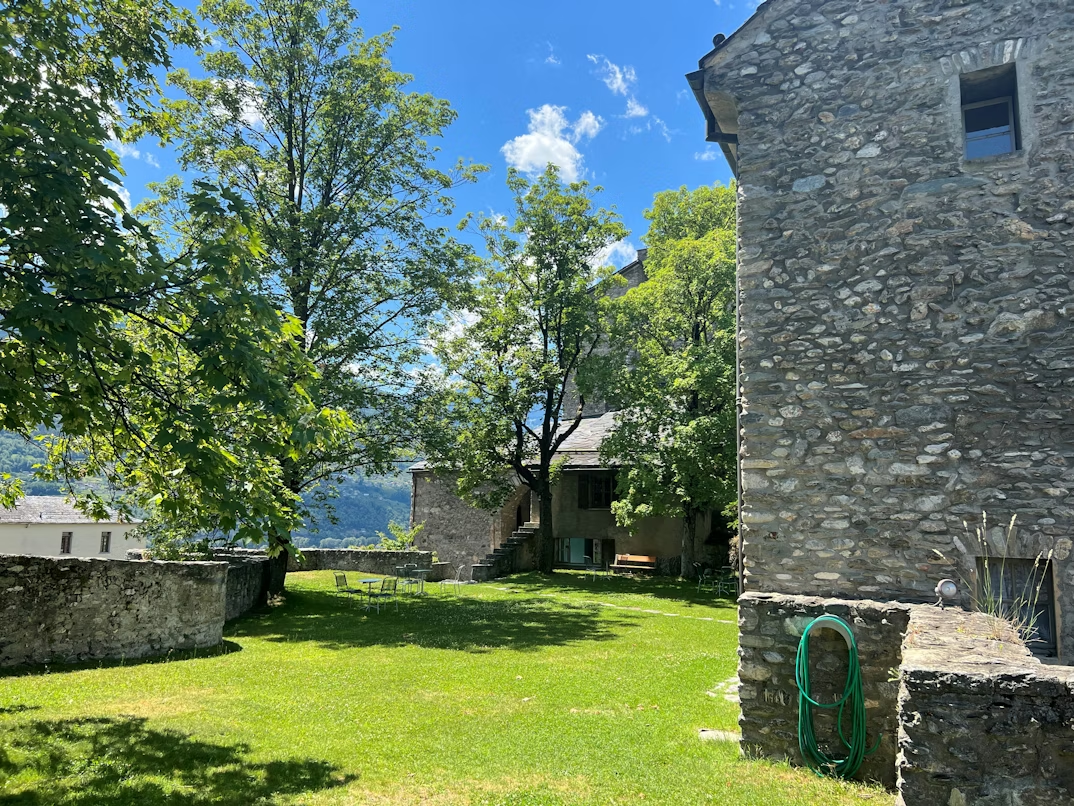
Hidden courtyards often appear behind modest doorways. A gentle knock reveals orange trees, tiled fountains, and cool shade. These private spaces protect the city from summer heat while preserving centuries-old design logic. Even public patios remain intimate. Sound softens. Light filters carefully. Temperature drops naturally.

Daily life flows through food. Small bakeries still shape dough by hand. Neighborhood bars serve simple dishes without elaborate menus. A plate of grilled fish arrives quickly. A glass of local wine feels generous rather than branded. Conversations last longer than meals. Staff recognize returning faces. Tourists blend into rhythm instead of standing apart.
Heat defines movement. Locals adjust schedules rather than resisting weather. Mornings begin early. Afternoons slow. Evenings stretch late under warm air and streetlights. This rhythm creates a sense of patience and presence rarely found in faster cities.
What makes these neighborhoods special is not secrecy, but continuity. Life continues without performance. Traditions adapt gently instead of being frozen for display. Visitors who walk slowly and observe respectfully become part of the background rather than interruption.
Seville’s hidden neighborhoods offer more than discovery. They offer perspective. They show how a city protects its identity while remaining open. In these streets, Seville feels lived rather than visited.