
There is a special calm that only arrives near the ocean. The air feels lighter. Sounds stretch farther. Time slows without effort. Waking up with salt in the breeze changes how the body moves through the day. A good beachfront hotel does not compete with the view. Instead, it frames it quietly and lets nature lead.
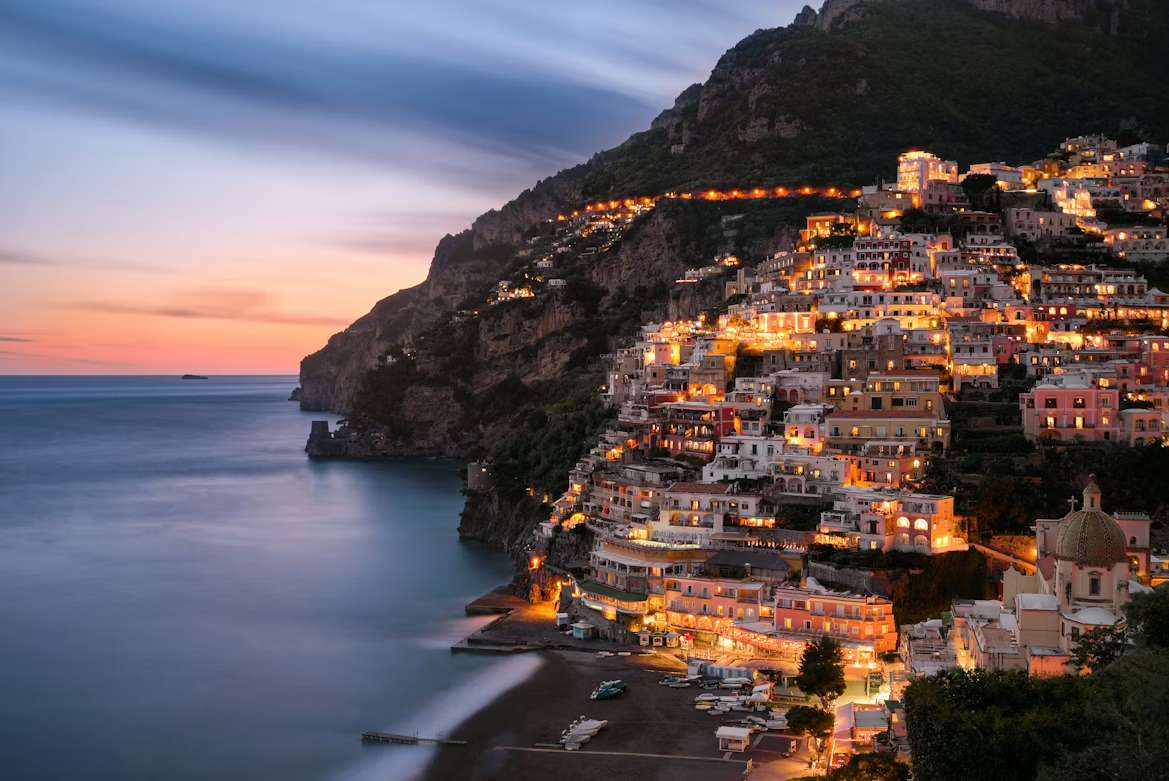
On the Amalfi Coast, staying at Le Sirenuse in Positano felt like living inside a painting. The balcony doors opened directly to layered cliffs and slow-moving boats. Mornings began with espresso and warm pastries while sunlight slid across tiled floors. Even simple moments felt elevated. Hanging swimsuits dried in minutes under coastal wind. In the evening, lanterns reflected on the water below, and distant conversations floated upward. The stairs down to the beach were steep, yet every climb rewarded the legs with stronger appetite and deeper sleep.

In the Maldives, Soneva Fushi offered a different kind of luxury. Shoes stayed off from arrival onward. Sand cooled the feet at night. The villas blended into trees rather than standing apart from them. One afternoon, a sudden tropical rainstorm swept across the island. Instead of hiding indoors, guests walked slowly through warm rain toward the spa. The scent of wet wood filled the air. Later, sunset revealed skies painted in soft orange and violet layers. Silence felt complete but never empty.
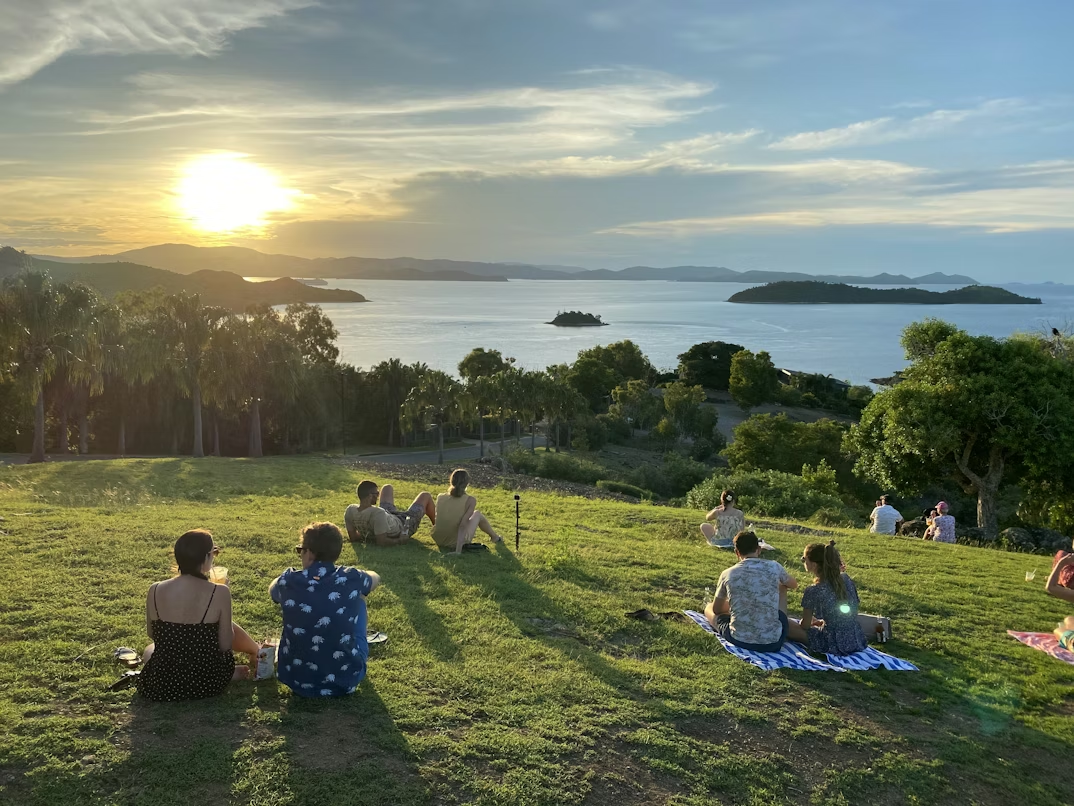
Meanwhile in Australia, Qualia on Hamilton Island delivered wide-open coastal drama. Golf carts replaced cars. The ocean shifted colors every hour. Breakfast stretched longer because there was nothing to rush toward. One morning, dolphins surfaced near the deck while coffee cooled untouched. That pause changed the entire day’s tempo. Privacy remained strong, yet the main beach stayed within easy reach.

Closer to urban life, Alila Marea Beach Resort in Encinitas, California balanced surf culture with refined comfort. Early mornings filled with joggers and surfers moving past the property. Windows stayed open to let ocean air circulate naturally. Afternoons blended beach walks with quiet reading on shaded terraces. In the evening, coastal fog rolled in gently, cooling the air without needing artificial systems. The connection to town kept energy grounded rather than isolated.
Across these stays, comfort revealed itself through consistency. Beds remained breathable even in humid climates. Showers maintained steady pressure after long swims. Outdoor furniture supported real lounging rather than decorative posing. Sound design mattered. Waves lulled sleep instead of overwhelming it. These small elements protected rest while amplifying the ocean’s rhythm.

Location shaped daily choices. Direct beach access encouraged spontaneous swims. Short walking paths eliminated transport friction. Cafés and coastal trails became part of natural routines. Even short stays felt immersive rather than rushed.
Design remained restrained. Materials reflected sand, wood, and stone. Lighting stayed warm at night to preserve sky visibility. Public spaces allowed open views without crowding. Technology stayed discreet. Nature remained the focal point.
What makes a beachfront stay unforgettable is balance. Openness without exposure. Privacy without isolation. Comfort without excess. When these forces align, the hotel fades into the background. The coastline takes over. Memory forms effortlessly.