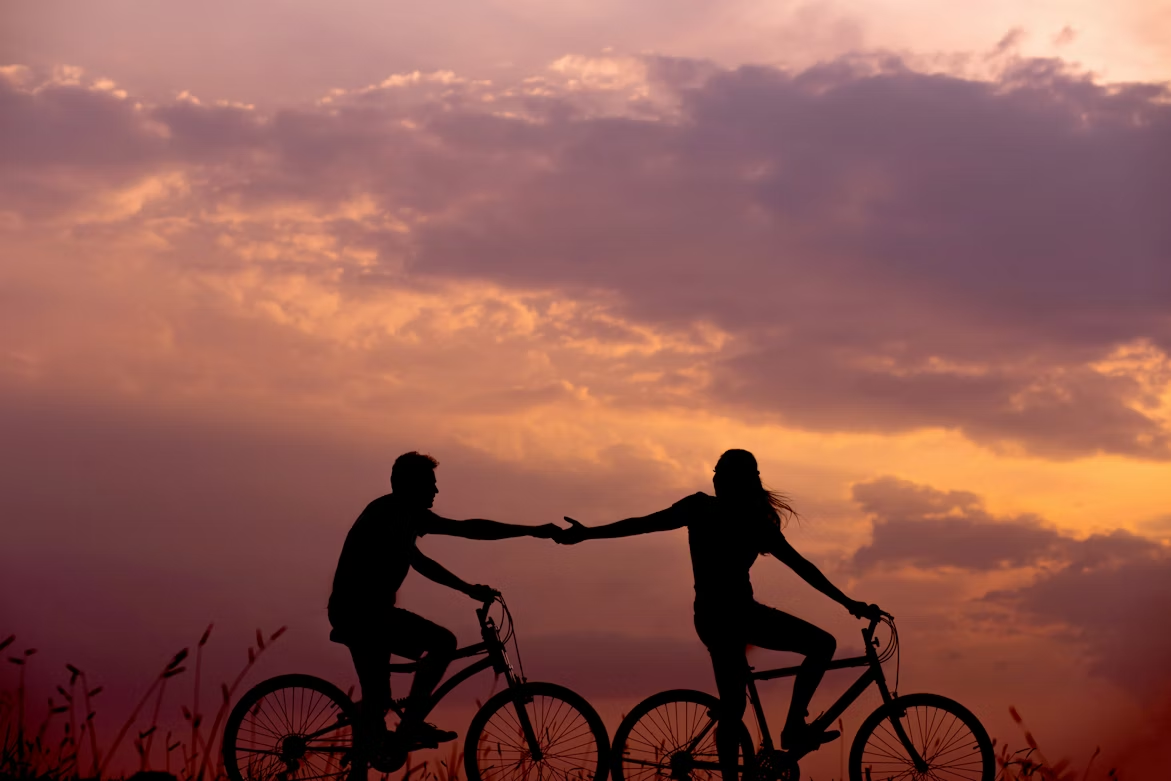
Travel in 2026 has taken on a new meaning. Visitors no longer seek only landmarks or social media photos. Instead, they look for experiences that leave a lasting impression. They want moments that engage the senses. They also want journeys that nourish both body and mind. Many travelers now combine work and leisure, staying longer to immerse themselves fully. As a result, travel has become more intentional, focusing on balance between discovery and reflection, adventure and calm.
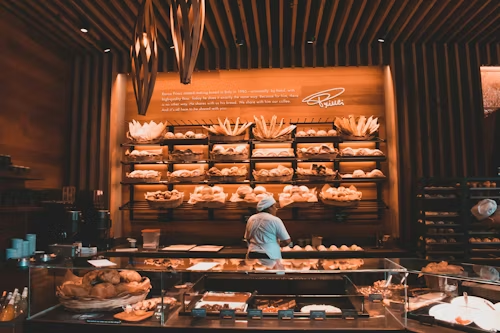
Cultural immersion has become a priority. Travelers arrive in cities and villages ready to learn and participate. For example, in European towns, early mornings reveal quiet streets lined with bakeries and cafés. Locals greet each other by name. Markets overflow with produce, handmade textiles, and artisanal goods. The smell of fresh bread, roasting coffee, and blooming flowers fills the air. By participating in cooking classes, traditional dance workshops, or craft demonstrations, visitors connect with communities in ways that go far beyond sightseeing. Every interaction feels meaningful. Sharing a meal with a local family or observing a small ritual at a temple adds depth to the experience.
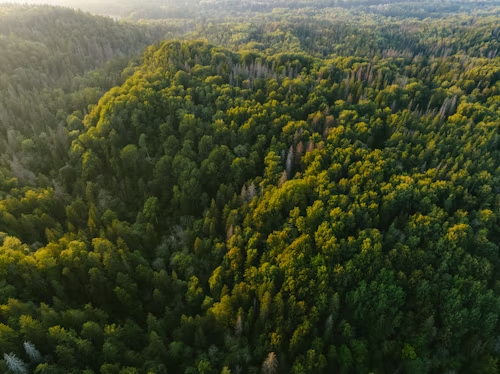
Nature plays an equally important role. Mountains, beaches, forests, and rivers are no longer just backgrounds for photos. They become spaces for presence and reflection. Sunrise hikes reveal mist rolling over valleys. Coastal trails carry the scent of salt and the sound of waves crashing on rocks. Rainforest walks are alive with bird songs and the rustle of leaves. Occasionally, wildlife appears, creating magical moments. By moving at the pace of nature, travelers experience each place more fully. Even small actions, like feeling the earth beneath bare feet, encourage mindfulness.
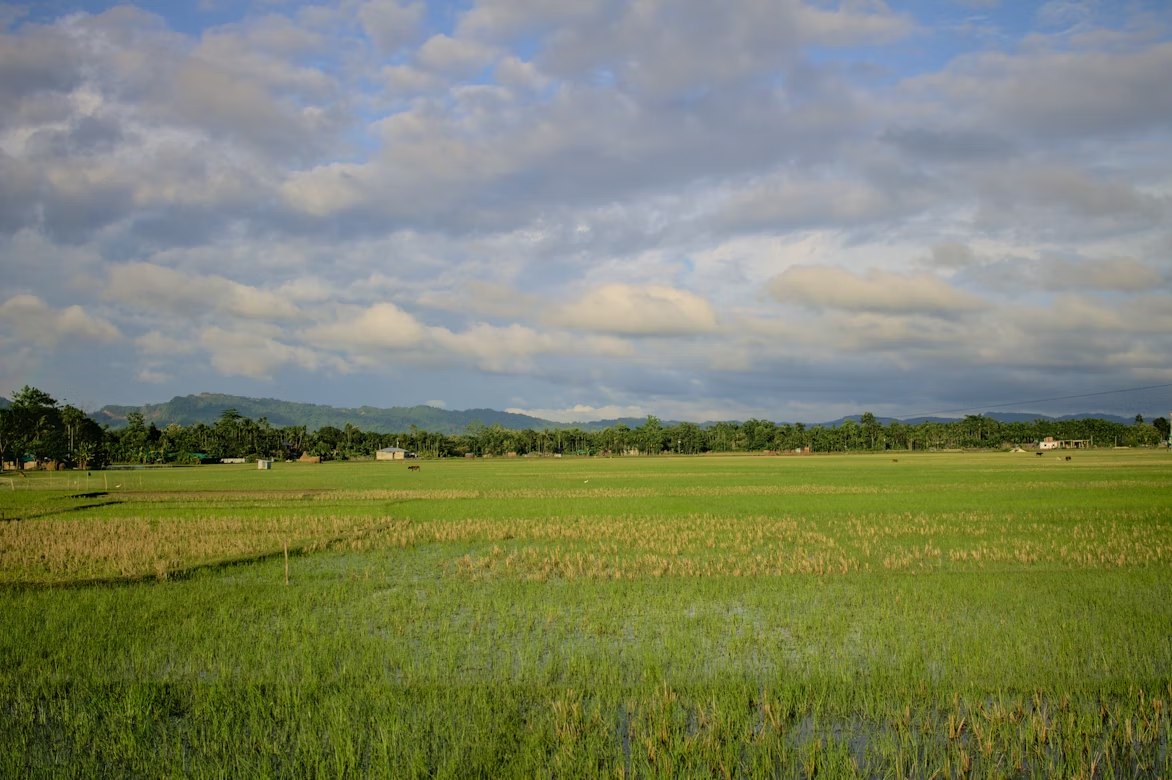
Wellness has also become central to travel in 2026. Visitors want to restore energy and reset routines. Yoga on a terrace overlooking rice paddies or meditation at sunrise can transform a simple day into a rejuvenating experience. Fresh, locally sourced meals nourish and energize. Afternoons often include spa treatments or quiet beach walks. These activities combine relaxation with reflection. In addition, many travelers merge wellness with cultural or nature-based exploration. This creates holistic itineraries that engage body, mind, and spirit.
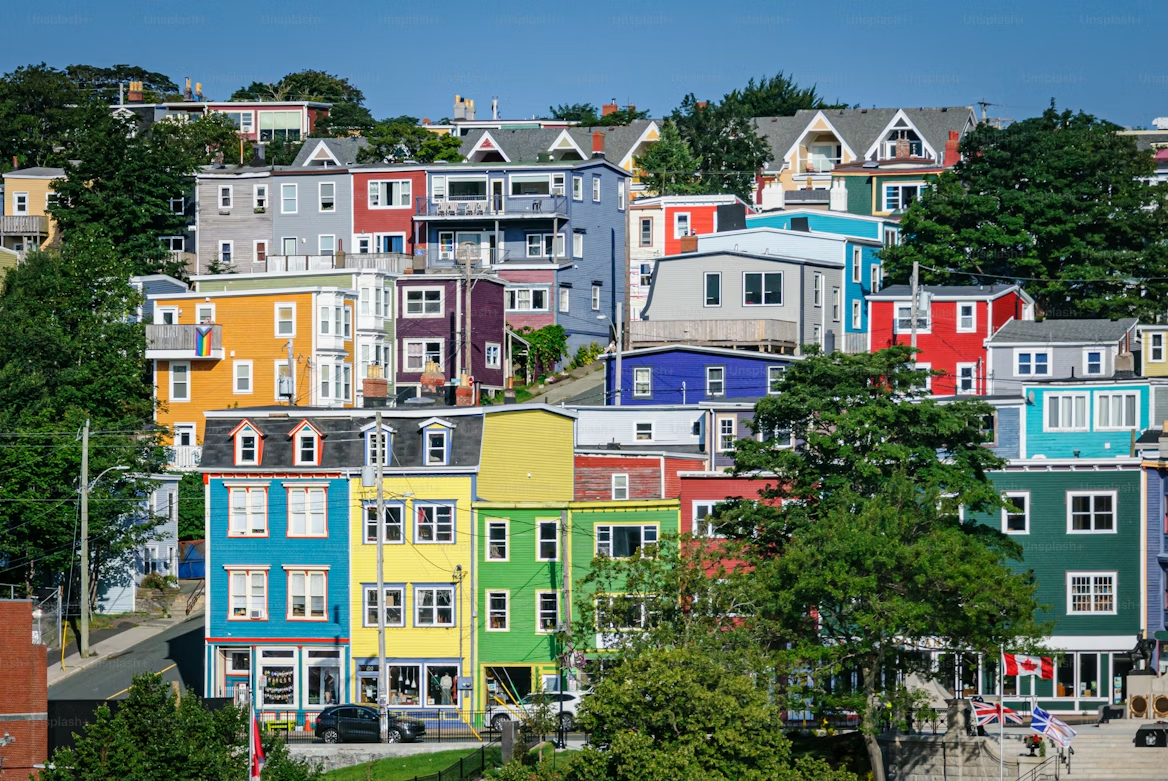
The combination of culture, nature, and wellness produces unique experiences. For instance, a day may start with a guided walking tour through a historic neighborhood. Later, travelers hike along a coastal path. In the evening, they meditate while watching a sunset. Each element reinforces the others. The taste of local cuisine, the sight of a hidden waterfall, the sound of traditional music, and the warmth of sunlight blend together. As a result, these layered experiences define travel in 2026. They create richness and meaning that last long after the trip ends.
Technology supports this new style of travel. Mobile apps help with sustainable transportation, guided tours, and wellness bookings. This allows travelers to focus on experience rather than logistics. Nevertheless, real-world engagement remains the priority. Travelers select destinations, accommodations, and activities that align with their values. For example, some focus on minimizing environmental impact. Others support local communities. Many prioritize personal well-being.
Ultimately, what defines a trip in 2026 is presence. Travelers learn to move slower and observe more deeply. They participate meaningfully rather than passively consuming experiences. Exploring historic cities, wandering remote landscapes, or joining wellness practices inspired by local traditions all offer lasting impact. Similarly, engaging with culture, nature, and personal well-being together produces trips that are not only memorable but transformative. The world feels richer, slower, and more meaningful for those willing to embrace this approach. As a result, every trip becomes an opportunity for discovery, growth, and lasting memory.