Busan stretches between mountains and sea. The city feels open, windy, and alive with motion. Fishing boats line the harbor. Trains cut through dense neighborhoods. Waves crash against long beaches. Yet each district carries its own rhythm, shaping how the city reveals itself.
Morning often begins near the water. Along Gwangalli Beach, joggers move steadily while fishermen prepare their lines. Coffee cups steam against cool sea air. The Gwangan Bridge curves across the horizon like a silver ribbon. Later in the day, sunlight brightens the sand and families arrive slowly. Evenings bring softer light and quiet conversations along the promenade. The beach feels social without being chaotic.
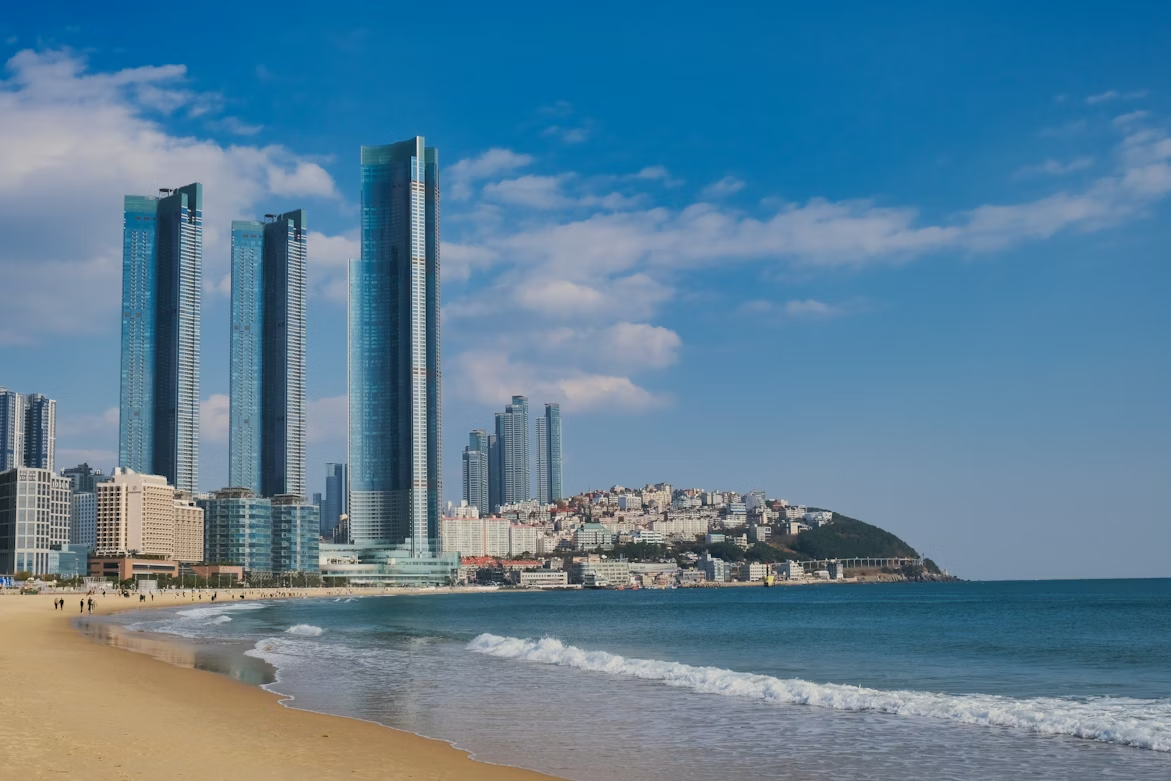
Further east, Haeundae carries a broader, more energetic atmosphere. Hotels rise higher. Cafés stretch along wide sidewalks. In the early hours, the shoreline remains peaceful, with only footprints and gulls tracing the sand. By afternoon, parasols bloom in color and vendors sell iced drinks and fruit. The contrast between morning calm and afternoon activity keeps the area dynamic rather than predictable.
Markets reveal Busan’s heartbeat. At Jagalchi Fish Market, tanks bubble with live seafood while vendors shout friendly greetings. The scent of salt and grilled shellfish fills narrow aisles. Upstairs, simple restaurants cook your selection within minutes. Steam fogs the windows. Hands warm around metal bowls of soup. Nearby Gukje Market layers clothing stalls, kitchenware, and snack counters into endless corridors of everyday life. Wandering here feels immersive rather than curated.
Creative energy gathers in districts shaped by reinvention. Gamcheon Culture Village climbs colorful hillsides with painted stairways, small galleries, and handmade craft shops. Views stretch across rooftops toward the harbor. Visitors wander slowly, camera in hand, while residents continue daily routines nearby. In contrast, F1963, a converted wire factory turned cultural space, blends industrial architecture with bookstores, cafés, and exhibition halls. Natural light filters through tall ceilings. Conversations echo softly across concrete floors. The space encourages lingering rather than rushing.
Food connects these neighborhoods effortlessly. Fresh seafood dominates coastal tables. Spicy stews warm cool evenings. Street snacks appear at nearly every corner. In small alley restaurants, grills sizzle while staff move with practiced rhythm. Meals remain generous and unpretentious.
Transportation links the city smoothly. Subways glide efficiently between coastlines, markets, and cultural zones. Short taxi rides bridge hills and waterfronts. Movement never feels heavy or complicated.
What defines Busan is contrast held in balance. Ocean openness meets dense urban life. Traditional markets coexist with experimental design spaces. Fast energy softens into quiet moments by the sea. The city does not present itself as a single experience. Instead, it invites gradual discovery.
Busan rewards wandering. It encourages curiosity. Beaches calm the senses. Markets awaken appetite. Creative districts inspire pause. Together, these layers form a city that feels expansive yet approachable, energetic yet grounded.