Riga is a city that moves quietly yet purposefully. The moment you step onto its cobblestone streets, a layered sense of time becomes evident. Every corner seems to carry fragments of the past: intricate facades, whispered stories, and the rhythm of locals beginning their day. Yet Riga never feels frozen. Instead, it invites observation, curiosity, and slow immersion.
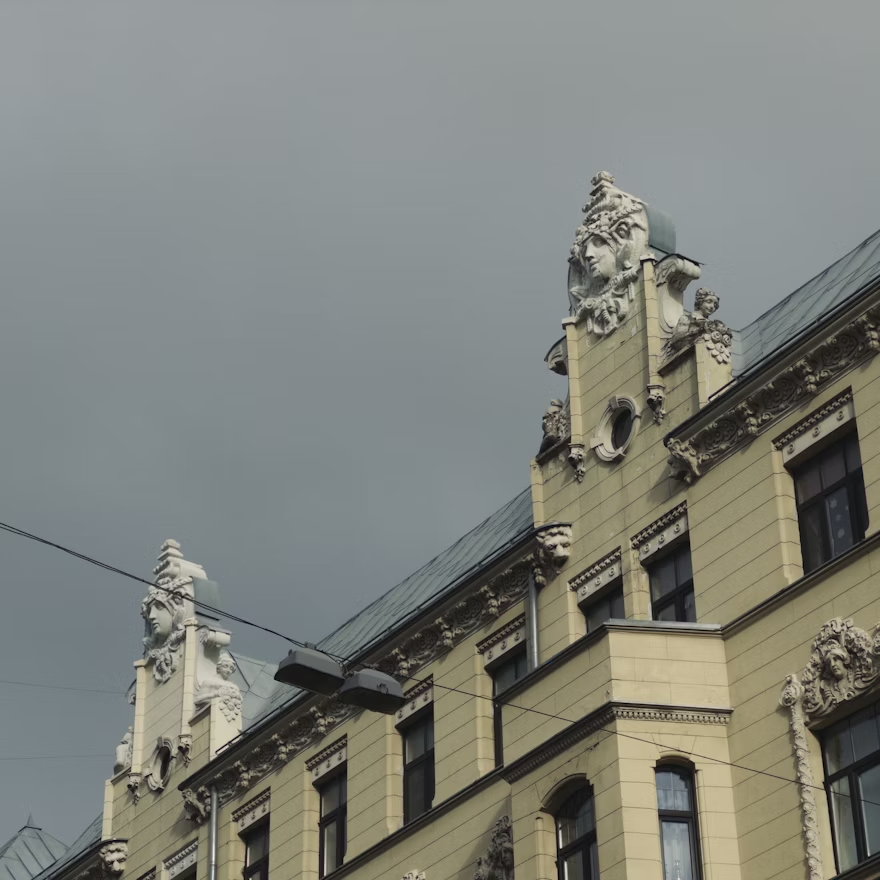
Arriving at the heart of the city, one cannot ignore the Art Nouveau district. Buildings rise with sweeping curves, ornate floral patterns, and wrought-iron balconies. Walking along Alberta Street, sunlight catches carved details that almost seem to move with the breeze. This architectural flourish is not merely decorative—it reflects Riga’s turn-of-the-century optimism. At times, a door opens, revealing a courtyard garden, and suddenly the bustling city seems to pause. These quiet interludes transform exploration into a sensory experience rather than a checklist.
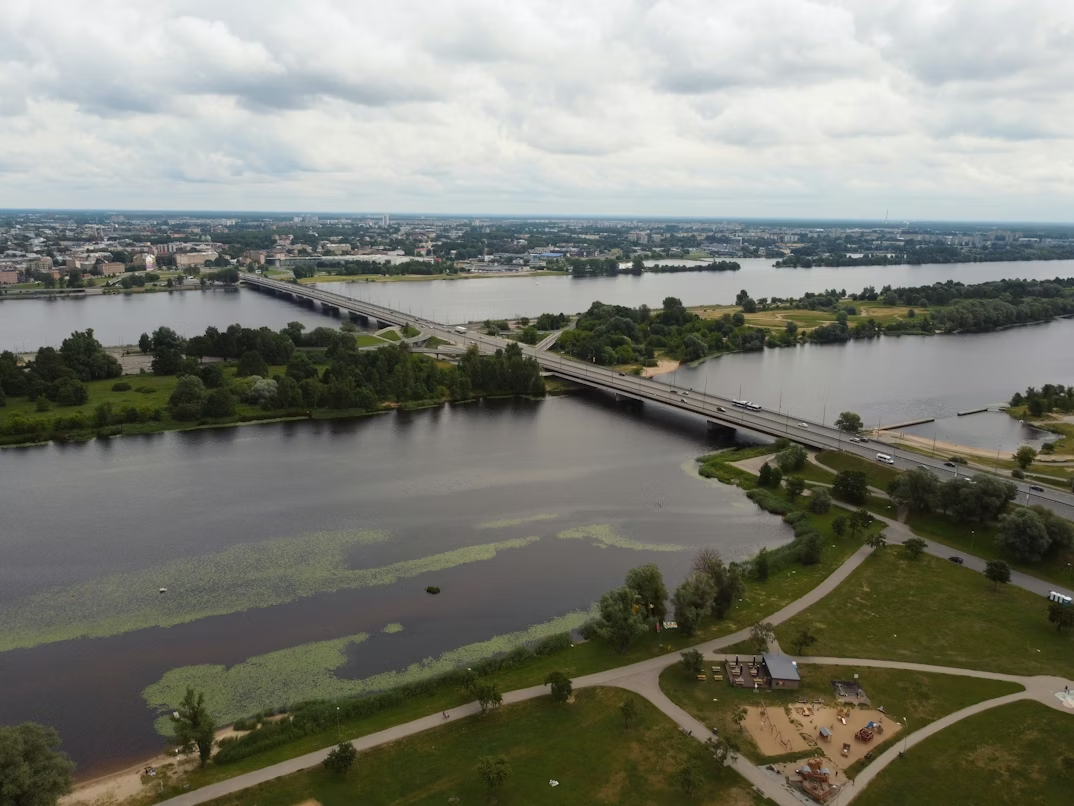
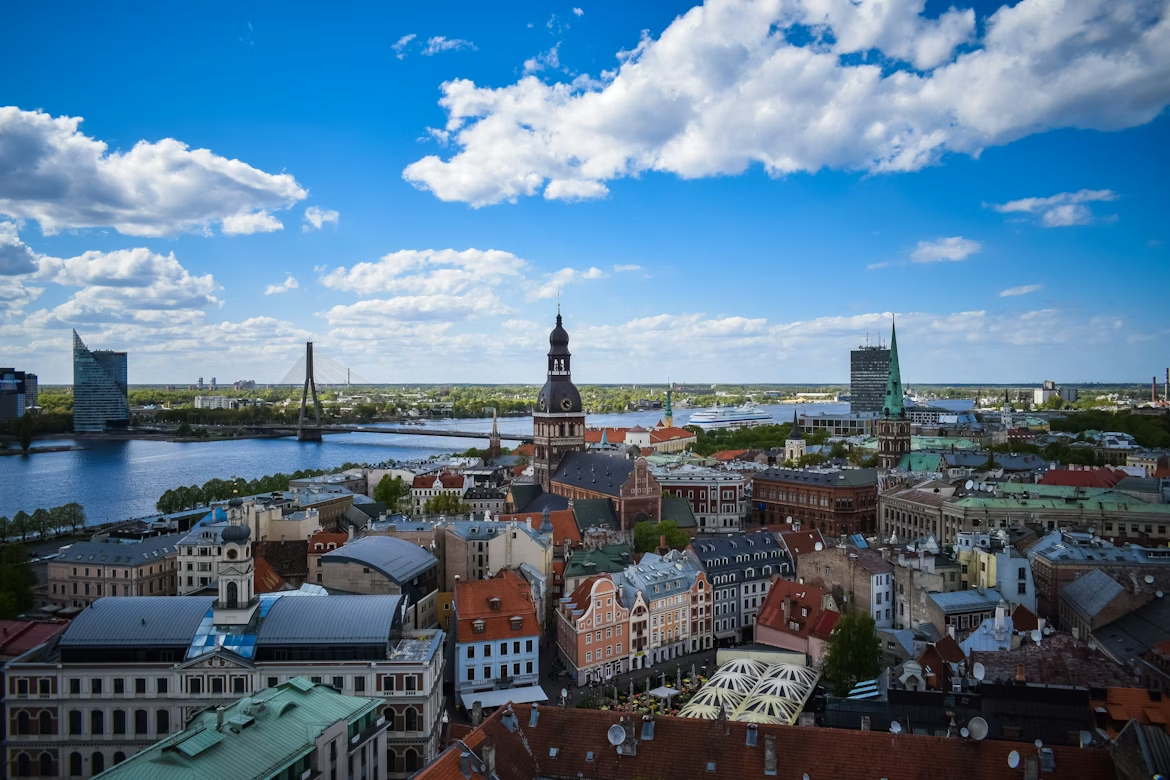
Along the Daugava River, the city breathes differently. Riverfront cafés beckon with steamed milk and freshly baked pastries. Patrons linger over conversations, while swans glide beneath iron bridges. Early morning light spreads across the water, creating reflections that blur the line between river and sky. As you walk, bicycles roll past and street musicians play melodies that feel improvised yet familiar. In this part of Riga, time slows, and the city’s human scale emerges.
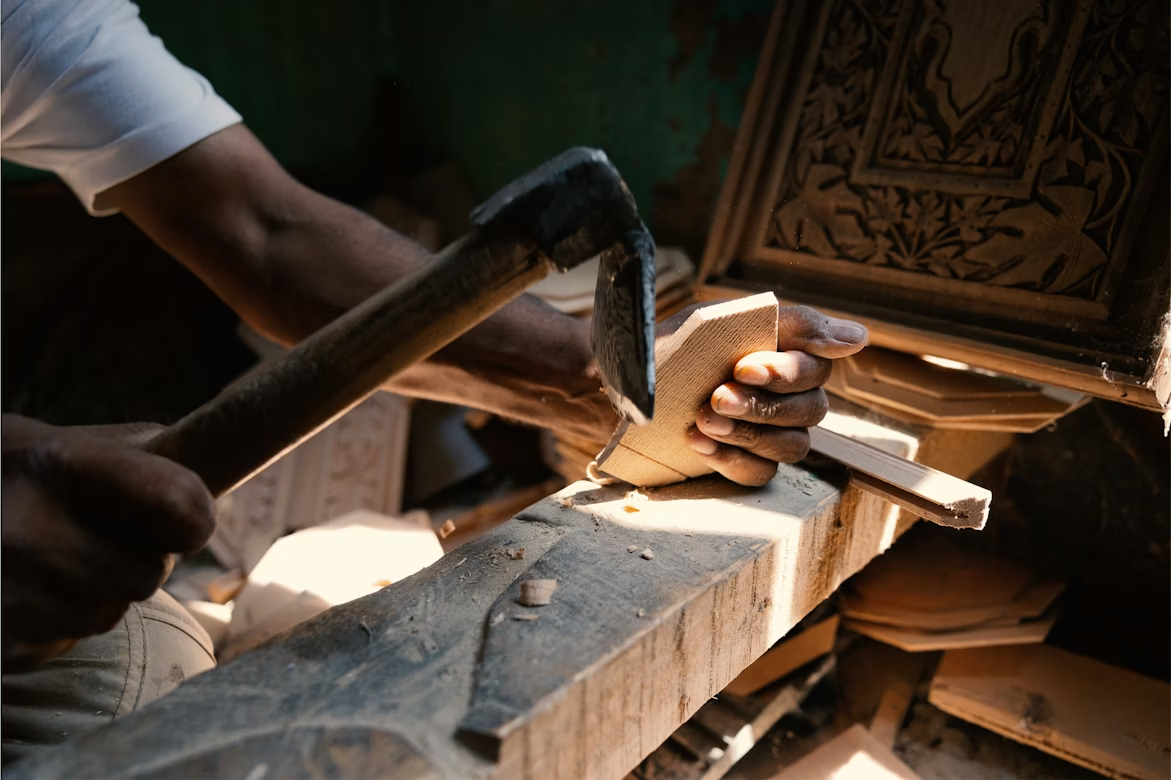
Riga’s history unfolds naturally if you follow its smaller streets. The Old Town conceals layers of influence: Hanseatic trade, medieval guilds, and Soviet-era echoes. Each building seems to whisper stories. At the House of the Blackheads, the intricate façade contrasts with quiet inner courtyards. Side streets lead to tiny squares where locals play chess or sip coffee. Museums exist, but in Riga, history is just as visible in everyday life. Markets, bakeries, and artisan shops keep traditions alive in real-time.
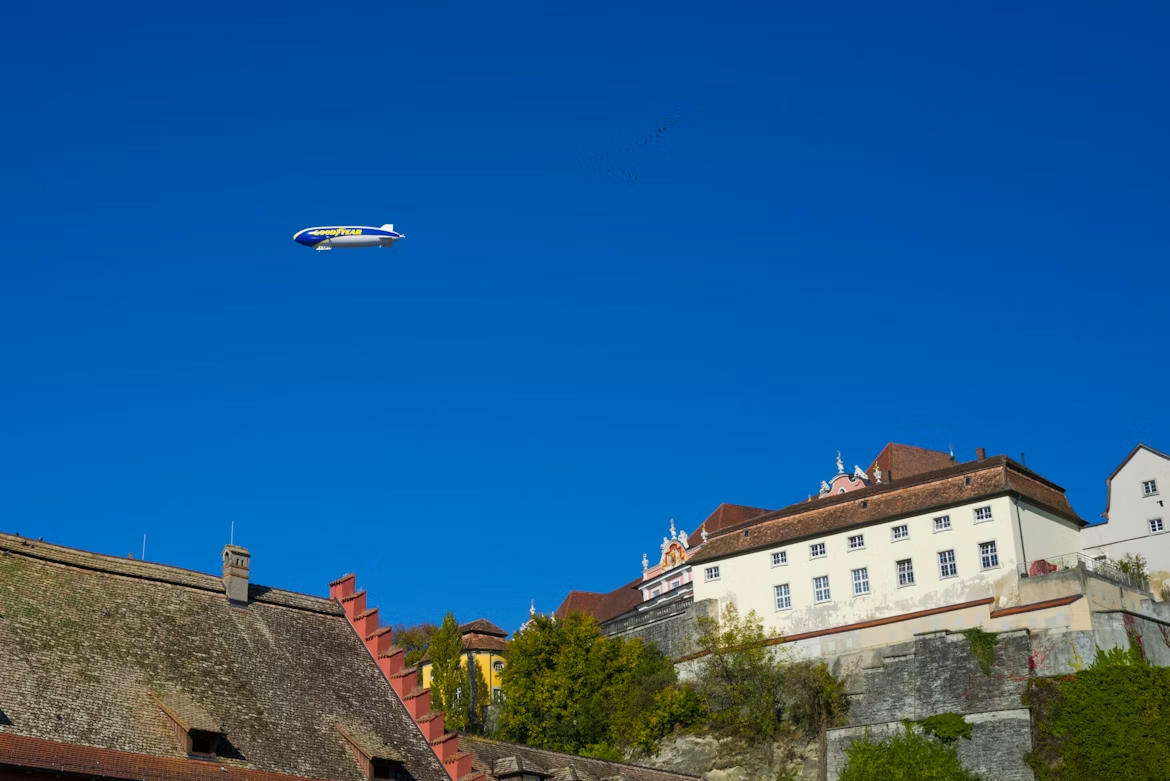
Food and culture intertwine seamlessly. Visiting the Central Market, housed in old Zeppelin hangars, feels both historic and immediate. Stalls overflow with smoked fish, fresh bread, and seasonal produce. Sampling rye bread or marinated herring is an act of connection, and conversations with vendors reveal regional customs that guidebooks rarely capture. Later, an afternoon in a jazz café in the city center emphasizes another dimension of Riga: creativity threaded into routine life.
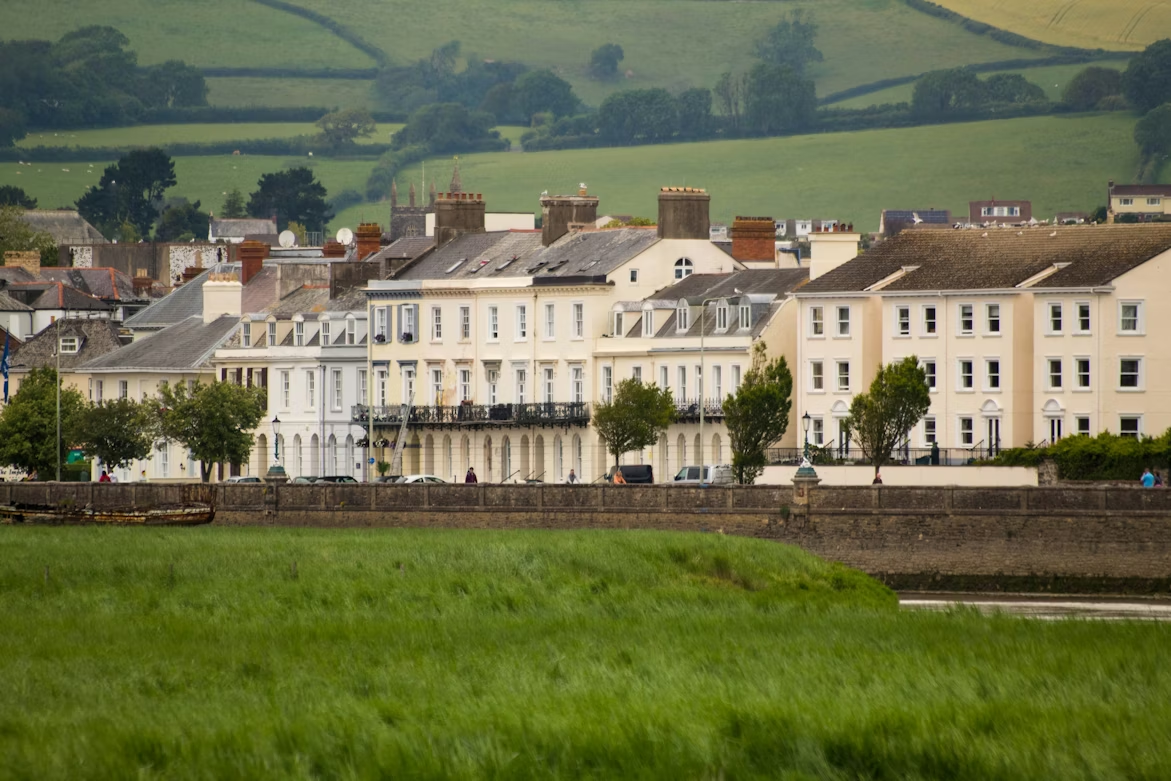
Accommodation choices reinforce the city’s layered character. Boutique hotels in restored Art Nouveau buildings provide intimacy, where windows frame streets alive with morning light. Alternatively, modern riverside hotels offer open views and quiet luxury, placing the city within a larger perspective. Either choice encourages engagement with Riga on terms that suit individual rhythms: immersive for the curious, reflective for the contemplative.
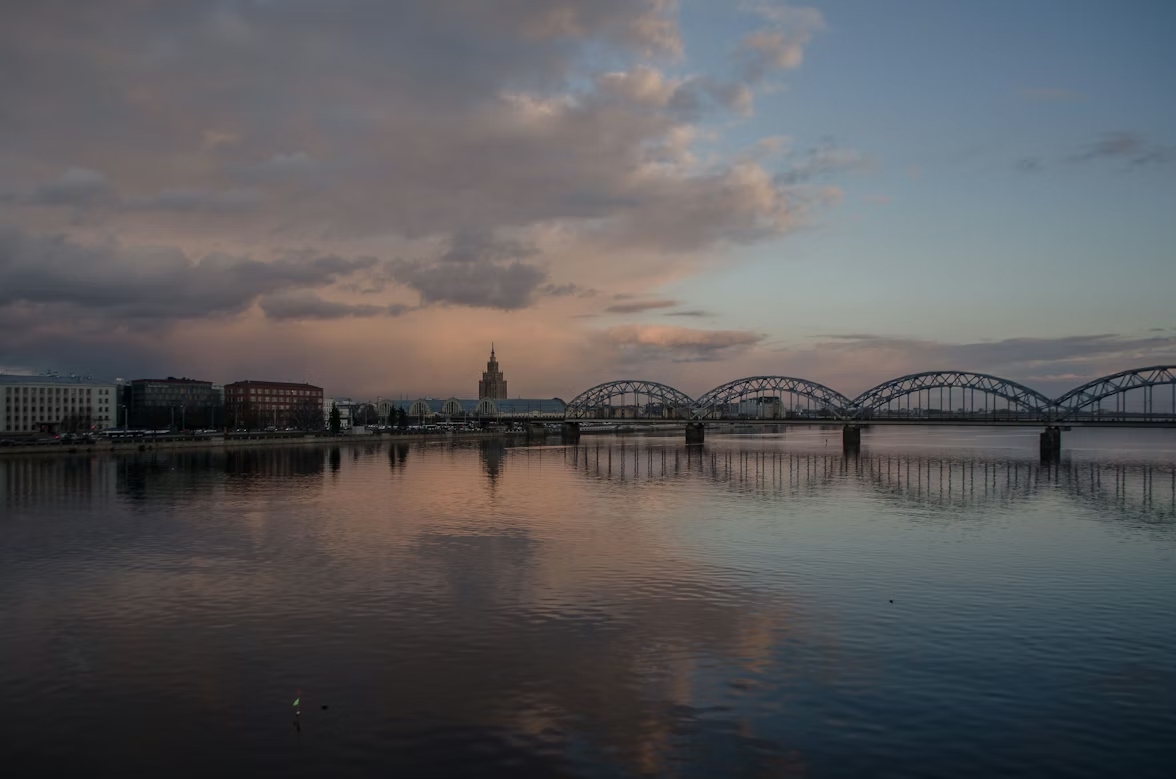
Evenings transform Riga once more. Streetlights illuminate façades with soft golden hues. Cafés extend into plazas, and music drifts across cobblestones. A walk along the river at sunset reveals the city as both historic and contemporary. Modern bridges, glowing softly, connect with centuries-old docks. Locals and travelers converge, yet space feels generous. Here, the city rewards attention and presence rather than speed.
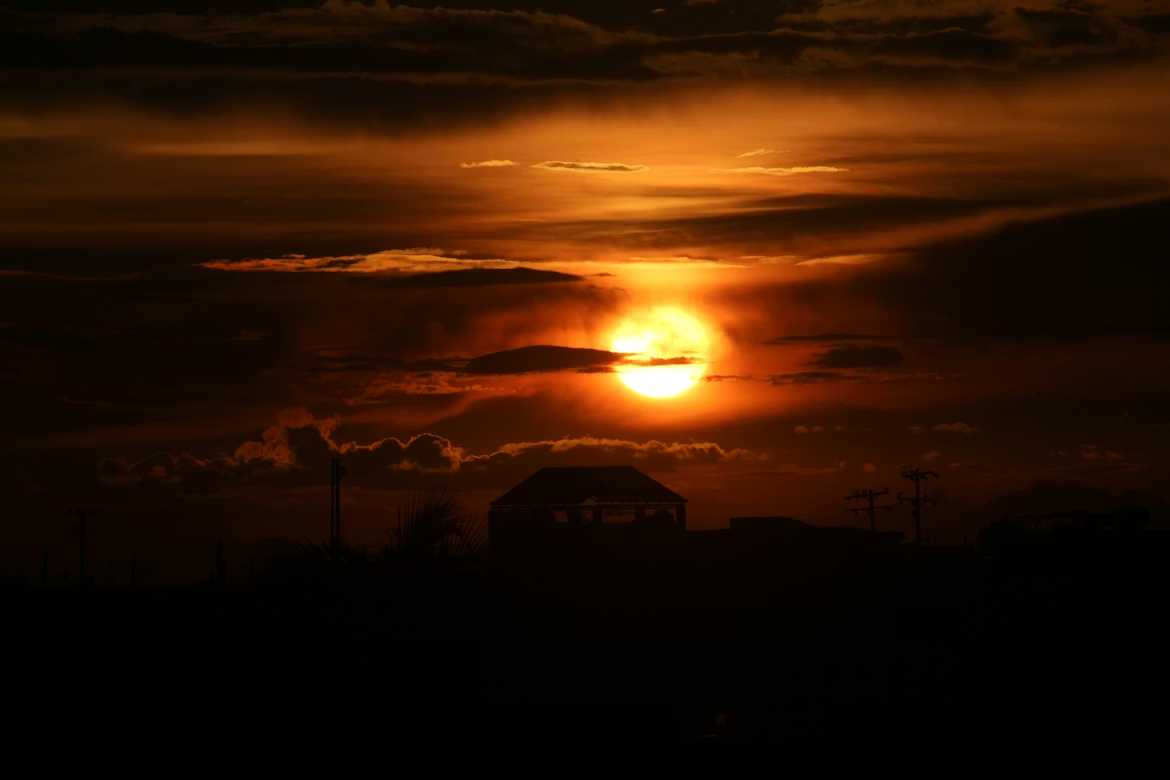
Ultimately, Riga is not a city to rush through. Its charm lies in discovery rather than ticking boxes. From ornate Art Nouveau façades to quiet riverwalks, from bustling markets to contemplative cafés, the city unfolds on its own terms. For travelers willing to slow down, Riga offers texture, depth, and stories that linger long after the streets fall silent.