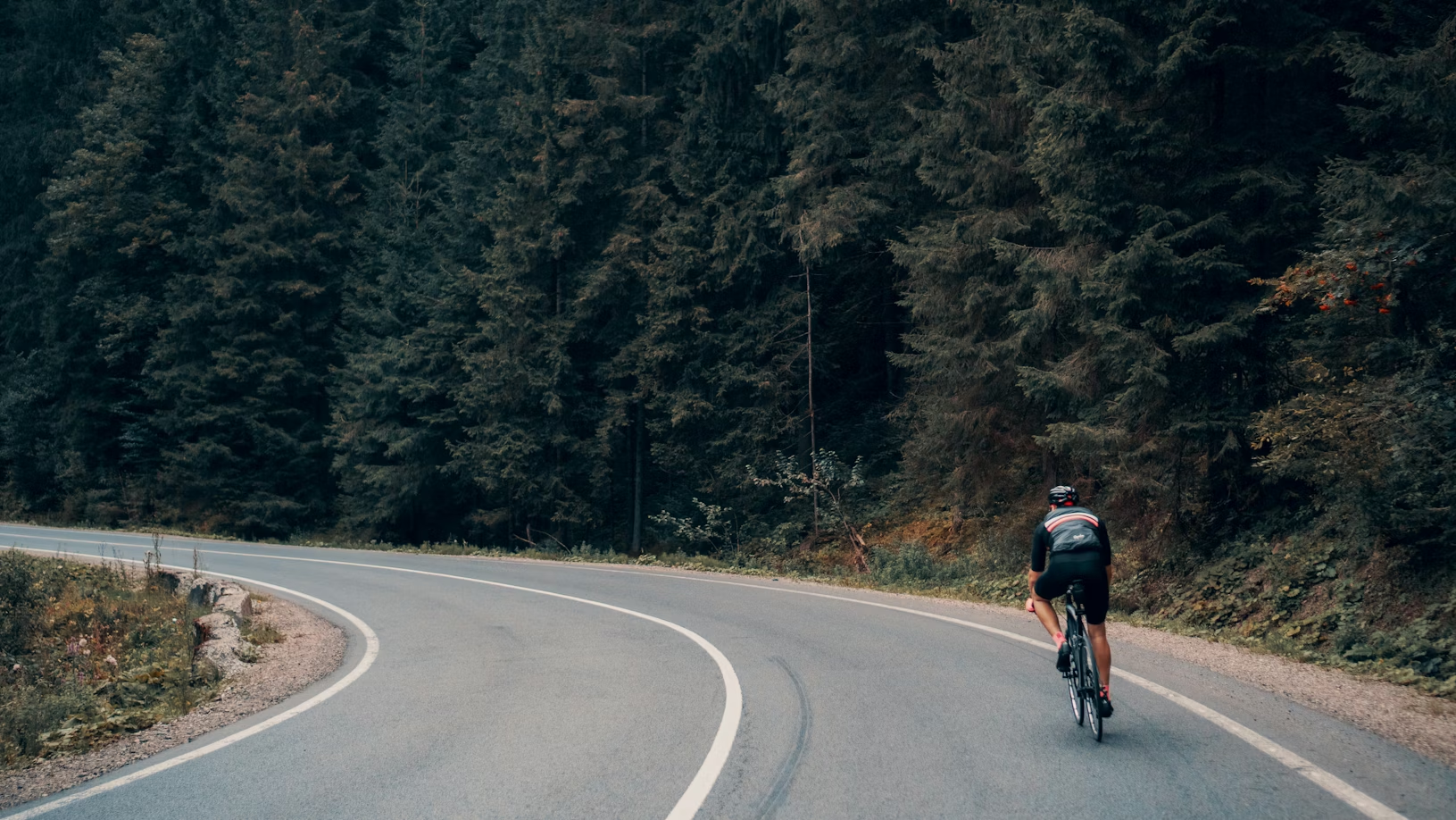
Cycling through Western Europe offers a pace that reveals details often missed at higher speeds. From the first turn of the pedals along quiet country lanes, the landscape opens gradually. Fields stretch toward distant villages, rivers reflect the sky, and the air carries scents of soil, flowers, and fresh bread. As a result, the rhythm of travel becomes human-scale: deliberate, unhurried, and attentive.
Early mornings feel especially alive. Mist clings to meadows, while dew settles along narrow roads. Farmers prepare their fields, and occasionally, cows cross paths slowly. In these moments, cycling becomes more than movement—it becomes immersion. Moreover, the body adapts to the landscape’s pace, while the mind notices subtle details: a weathervane spinning in the breeze, sunlight glinting on streams, or distant church bells echoing softly.
Rolling through vineyards and orchards, the countryside offers endless variety. In France’s Loire Valley, chateaux emerge atop gentle hills, framed by orderly rows of vines. Meanwhile, Belgium’s canals trace through farmland, connecting towns with quiet efficiency. Along the way, short pauses allow observation. A baker arranges bread at dawn. Children walk to school through cobbled streets. Tractors roll slowly across fields. Consequently, these small interruptions feel like part of the journey rather than obstacles.
Historic towns appear gradually, sometimes as clusters of red roofs tucked into valleys, sometimes as walled cities atop hills. Riding into places like Ghent, Colmar, or Annecy feels like stepping into another century. Streets narrow, cobblestones jostle tires, and bicycles must slow to accommodate pedestrians. Meanwhile, in small squares, cafés spill light and conversation into the street. Espresso cups steam in the early hours, and pastries glisten temptingly. The aroma of fresh bread mingles with crisp air. Parking a bicycle for a brief walk transforms the city entirely, revealing intimacy, texture, and human rhythm.
Time stretches differently on two wheels. Distances that seem long in cars become manageable, punctuated by moments to rest, photograph, or simply observe. Later in the afternoon, sunlight highlights textures: ivy climbs stone walls, shadows stretch across plazas, and water glints in fountains. Occasionally, a sudden rainstorm changes everything. Rain hammers helmets and jackets. Puddles form across streets. However, these interruptions slow the journey in a meaningful way, emphasizing attention to surroundings rather than haste.
Accommodations support the pace naturally. Small inns, family-run hotels, and guesthouses provide warmth, comfort, and thoughtful service. Rooms remain simple yet restorative. Additionally, communal dinners encourage interaction with locals or fellow travelers. Conversations unfold over regional dishes and local wines, and stories accumulate naturally. Sleep arrives easily after long days on the saddle, with dreams tracing roads and trails already traveled.
Cycling highlights subtle cultural differences across the continent. In the Netherlands, extensive bike lanes make riding effortless. Germany’s villages display precise organization, with benches and fountains inviting pauses. Meanwhile, southern France and northern Italy demand more effort, yet hills reward riders with panoramic vistas. Consequently, effort and beauty intertwine seamlessly. Solitude alternates with brief encounters, speed with stillness.
Nature accompanies every ride. Birds flit across hedgerows, sheep graze on hillsides, and seasonal changes mark each day’s passage. Early spring offers fresh greenery and blossoming flowers. Summer brings warmth, long shadows, and cicada hums. Autumn transforms fields into gold and copper. Therefore, attentive cyclists notice these shifts in ways cars or trains rarely allow, observing both vast landscapes and minute details.
Ultimately, cycling through Western Europe forms a dialogue between rider and land. Villages, trails, rivers, and mountains tell stories quietly. History whispers through architecture, while daily life hums in streets. Each pedal stroke and pause accumulates into lasting memory. For this reason, travelers leave not just with photographs, but with rhythm, presence, and connection that endure long after the wheels stop turning.
For those willing to embrace the pace of two wheels, Western Europe reveals itself layer by layer: quiet countryside, bustling historic towns, the smell of baked bread, and shifting light across hills and canals. In addition, cycling here becomes more than travel; it is an invitation to experience distance, culture, and time on human terms, one thoughtful pedal stroke at a time.