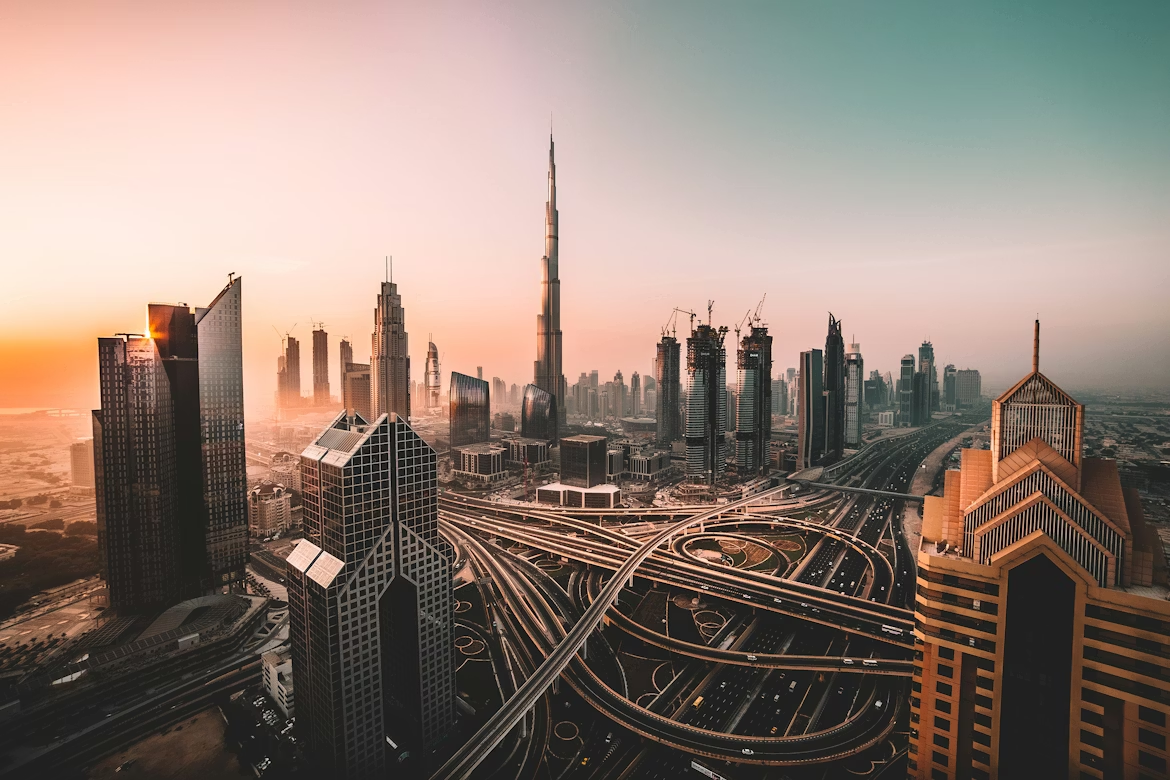
Dubai reveals itself through scale and contrast. Glass towers rise from pale sand. Highways curve like ribbons between districts of steel and sunlight. The air feels warm even in the early morning, carrying hints of salt from the Gulf and dust from the desert beyond the city limits. From the first moment, the city communicates ambition, motion, and possibility.
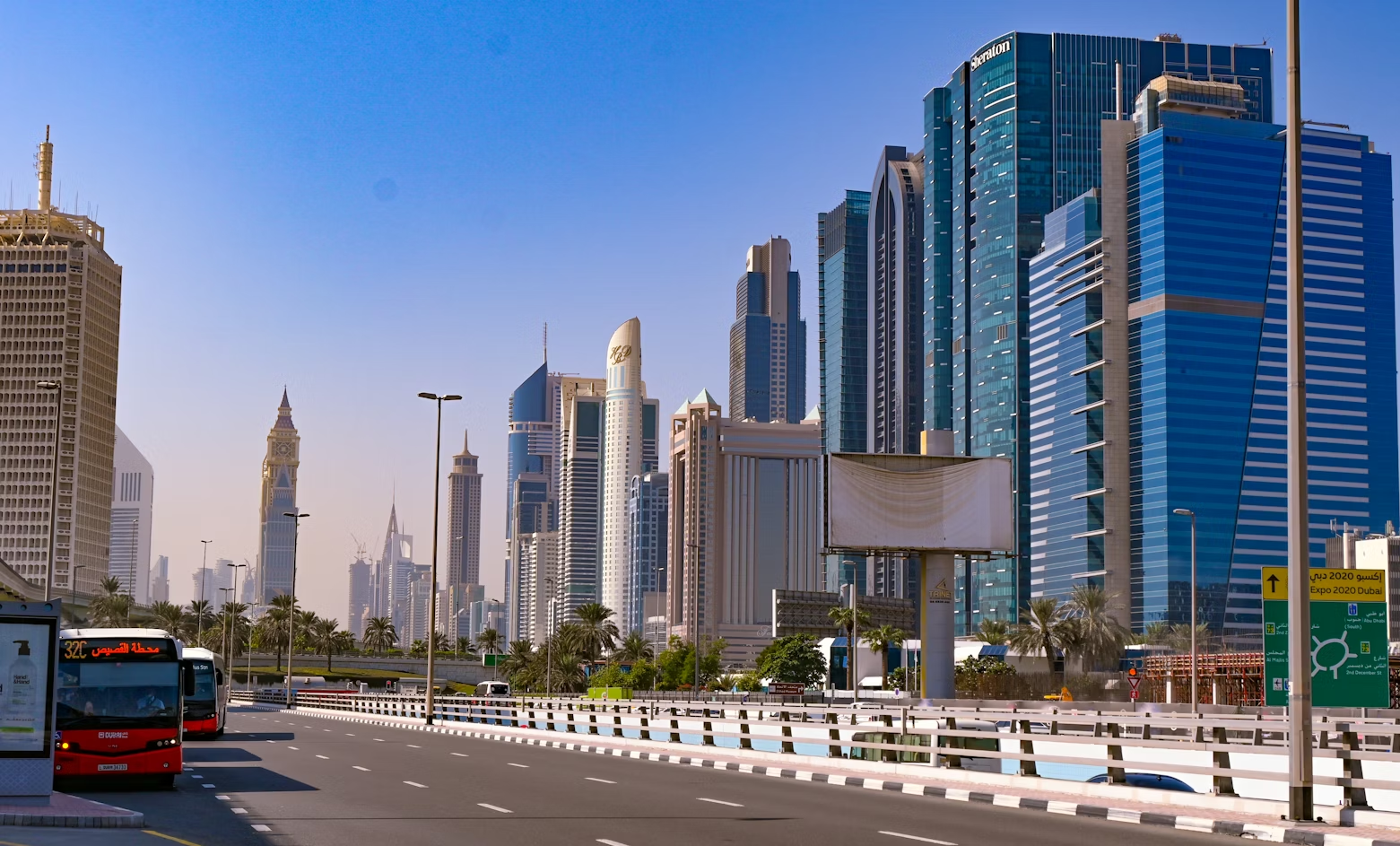
My days often began along Sheikh Zayed Road, where the skyline feels almost unreal. Standing beneath the Burj Khalifa, the world stretches upward in clean lines of glass and shadow. Elevators move silently. Lobbies smell faintly of polished stone and fresh flowers. From observation decks, the city spreads outward in perfect geometry, with desert tones fading into the horizon. At sunrise, the towers glow soft gold rather than silver, and the streets below remain calm before traffic awakens.
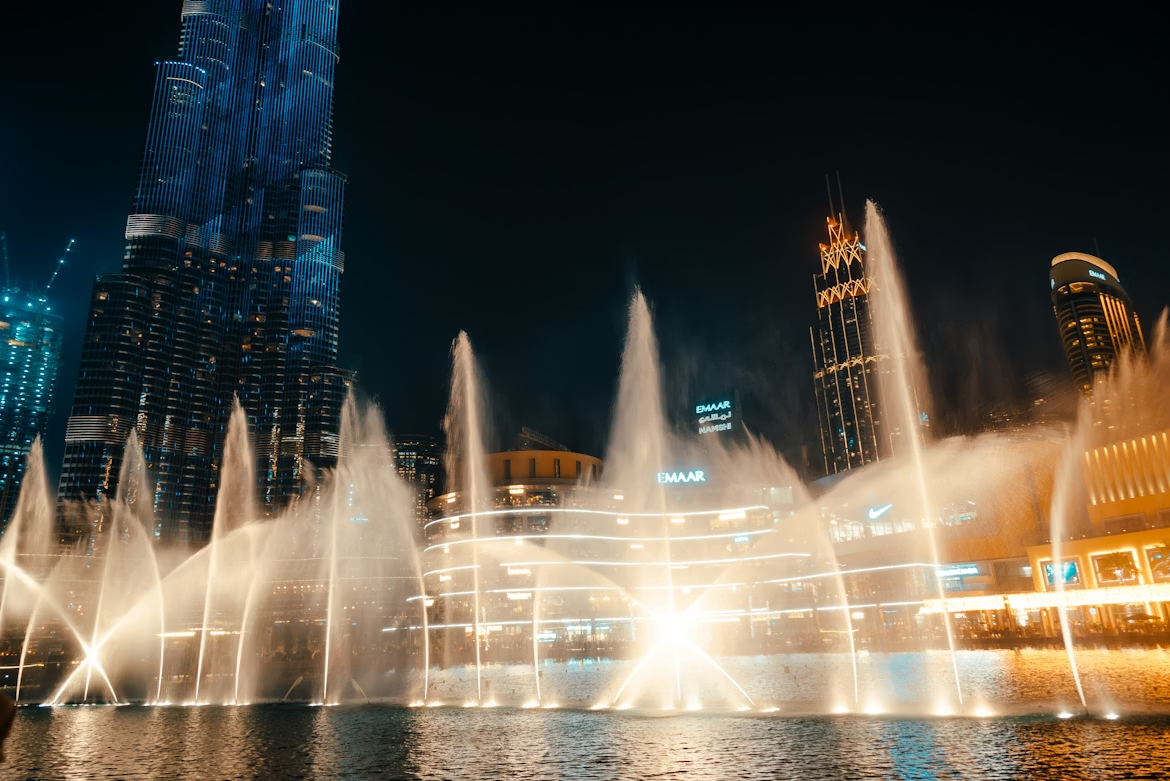
Moving through Downtown Dubai brings constant shifts in texture. Inside Dubai Mall, fountains echo under high ceilings, and cafés spill into wide corridors. Outside, shaded walkways lead toward quiet pockets where palm trees soften the sharp edges of architecture. Sitting with a coffee near the Dubai Fountain, time slows despite the surrounding scale. Families gather. Tourists pause. Music rises gently with each water show, turning ordinary moments into shared theater.
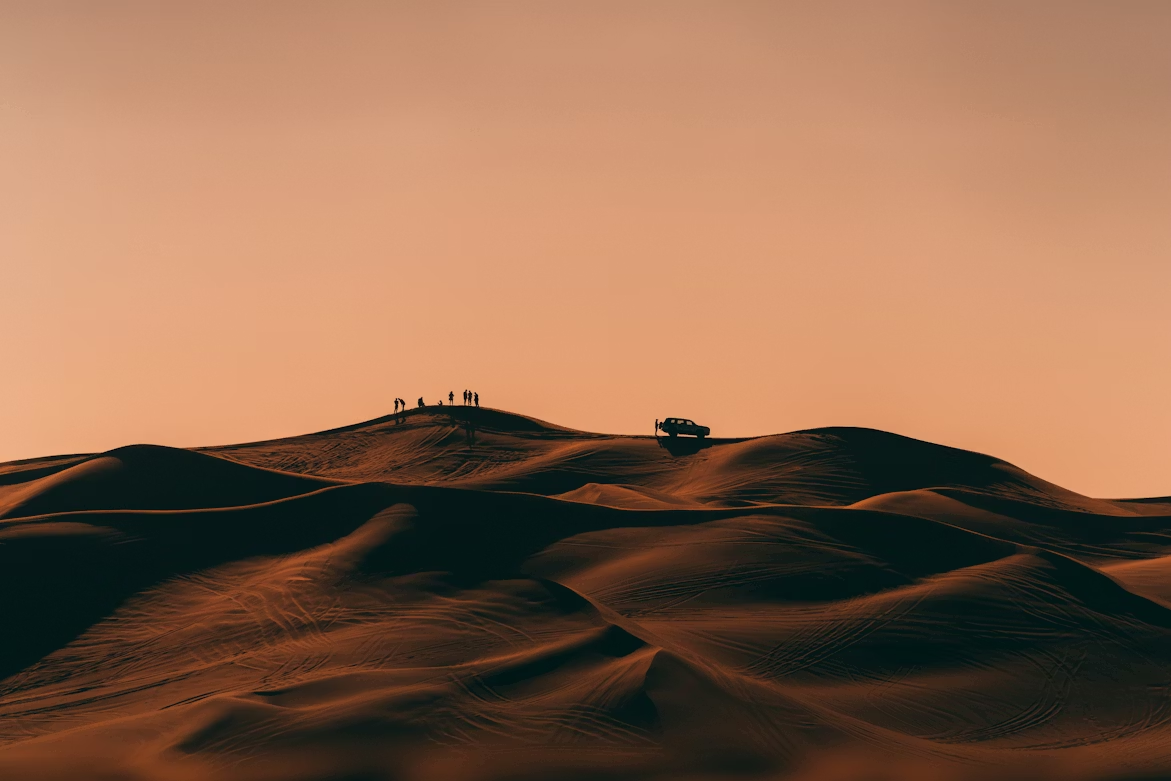
The desert reshapes perspective entirely. A short drive pulls the city behind you, replaced by rolling dunes and open silence. The sand changes color throughout the day, shifting from pale beige to deep amber as the sun lowers. Riding across the dunes in a four-wheel drive feels both thrilling and grounding, each crest revealing endless curves of untouched land. As evening settles, the temperature cools quickly. Campfires flicker. The sky opens wide with stars rarely visible in cities. Sitting on woven cushions, sipping sweet mint tea, conversations become quieter and more reflective.
Luxury in Dubai often feels effortless rather than excessive. At places like Burj Al Arab, service flows with calm precision, from linen textures to ocean-facing terraces where waves shimmer below. Along Palm Jumeirah, resorts open directly onto warm sand and calm water. Morning swims stretch lazily into late breakfasts, while shaded cabanas invite long afternoons of reading and rest. Even small boutique hotels in neighborhoods like Jumeirah offer thoughtful design, open courtyards, and soft lighting that cools the senses after sun-filled days.

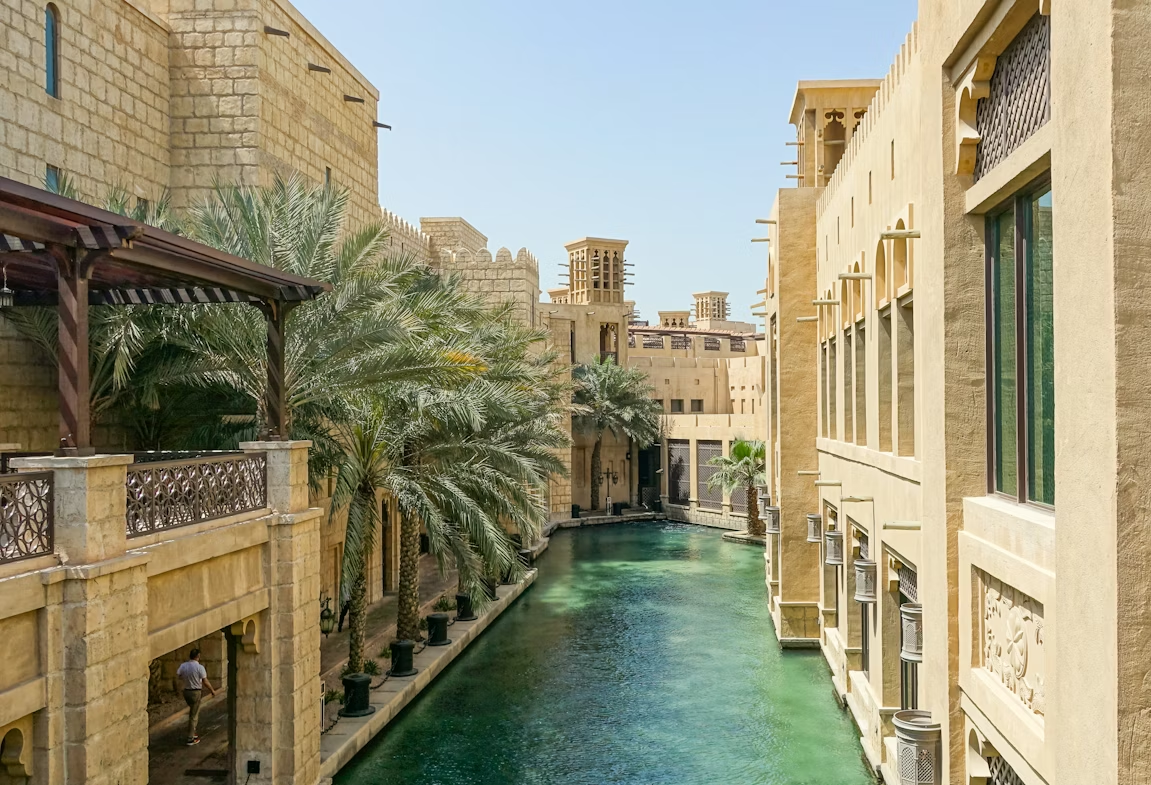
Food weaves cultures together seamlessly. Emirati flavors meet Lebanese grills, Japanese precision, and European comfort cooking. In Al Fahidi Historical District, narrow lanes lead to courtyard cafés serving dates, cardamom coffee, and slow-cooked lamb. The walls breathe history through coral stone and wind towers. By contrast, rooftop restaurants in Dubai Marina glow with city lights and skyline reflections, where fresh seafood and creative cocktails accompany distant music drifting across the water.
Transportation remains smooth and intuitive. The metro glides above ground, revealing sweeping city views between stations. Taxis remain affordable and efficient. Short drives unlock entirely different atmospheres within minutes, from beaches to old neighborhoods to empty desert roads. Movement never feels stressful, even when distances appear large.
What defines Dubai is not simply luxury or architecture. It is the seamless blending of ambition with comfort, speed with stillness, spectacle with intimacy. The city offers room to explore at many paces. One moment you stand inside a glass tower touching the sky. The next you sit barefoot on warm sand watching stars emerge.
Dubai invites curiosity. It rewards openness. It balances intensity with ease. Through skyline mornings, desert evenings, and carefully designed comfort, the city leaves travelers with a sense of wonder that feels both modern and timeless.