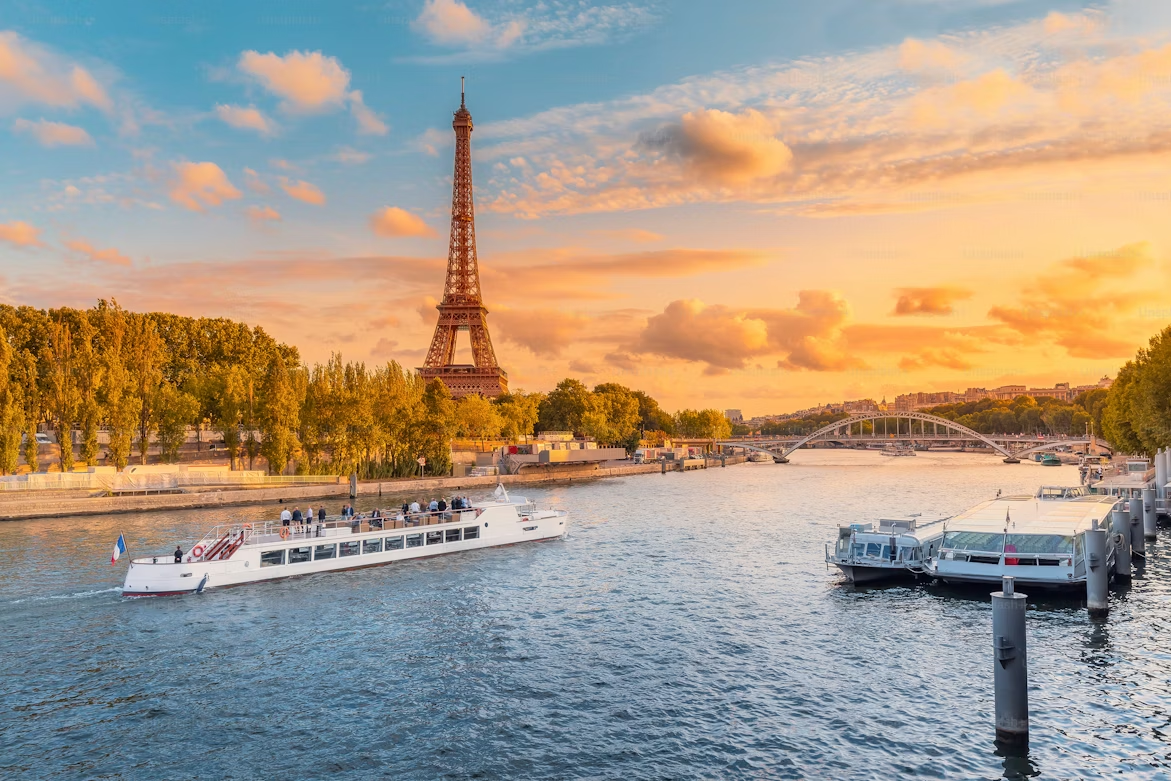
Paris is a city that blends history, art, and daily life in a way that few other cities can match. Streets lined with centuries-old buildings, elegant boulevards, and quiet cobbled alleys create a rhythm that makes wandering both rewarding and intuitive. For first-time visitors, the sheer number of landmarks and Paris Travel Guide for First-Time Visitors: Attractions, Neighborhoods, and Budget Tips
Choosing the Right Neighborhood
Choosing the right neighborhood shapes the daily experience. The Marais district offers a mix of historic charm and trendy cafés. Narrow streets open onto small squares, perfect for people-watching. Staying here puts you close to the Picasso Museum, Hôtel de Ville, and boutique shopping. Saint-Germain-des-Prés has a literary and café culture, with iconic cafés like Les Deux Magots and Café de Flore, where visitors can imagine the intellectual life of the past century. For a more classic Parisian feel, the Latin Quarter provides proximity to the Pantheon, Sorbonne University, and lively bookshops along Rue Mouffetard. Montmartre, perched on a hill, is ideal for artists, quaint streets, and the Sacré-Cœur Basilica, where sweeping city views reward the climb. Each neighborhood has its own character, and choosing a base that fits your style helps optimize walking distances and energy levels.
Must-See Attractions
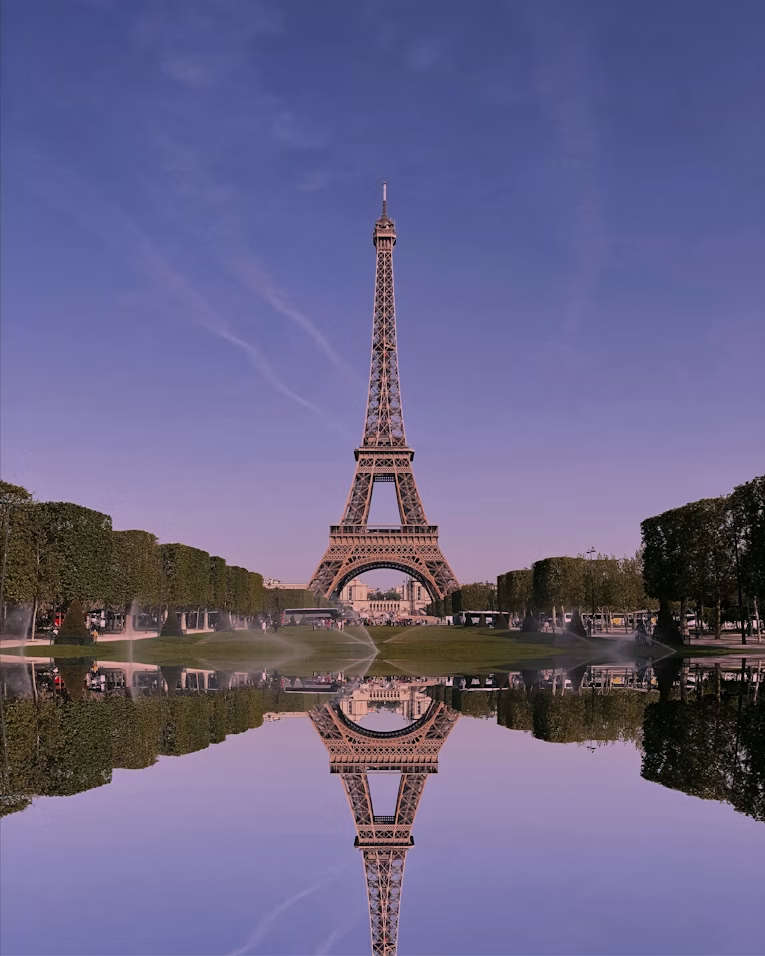
Paris’s attractions require both planning and pacing. Begin with the Eiffel Tower. Early morning visits allow shorter lines and softer light for photography. From the Trocadéro Gardens, the tower dominates the skyline, while ascending to the top offers panoramic views of the Seine, rooftops, and distant monuments. Nearby, Champ de Mars provides space for a leisurely picnic or rest. Spend around two hours here to fully appreciate both ground-level and aerial perspectives.
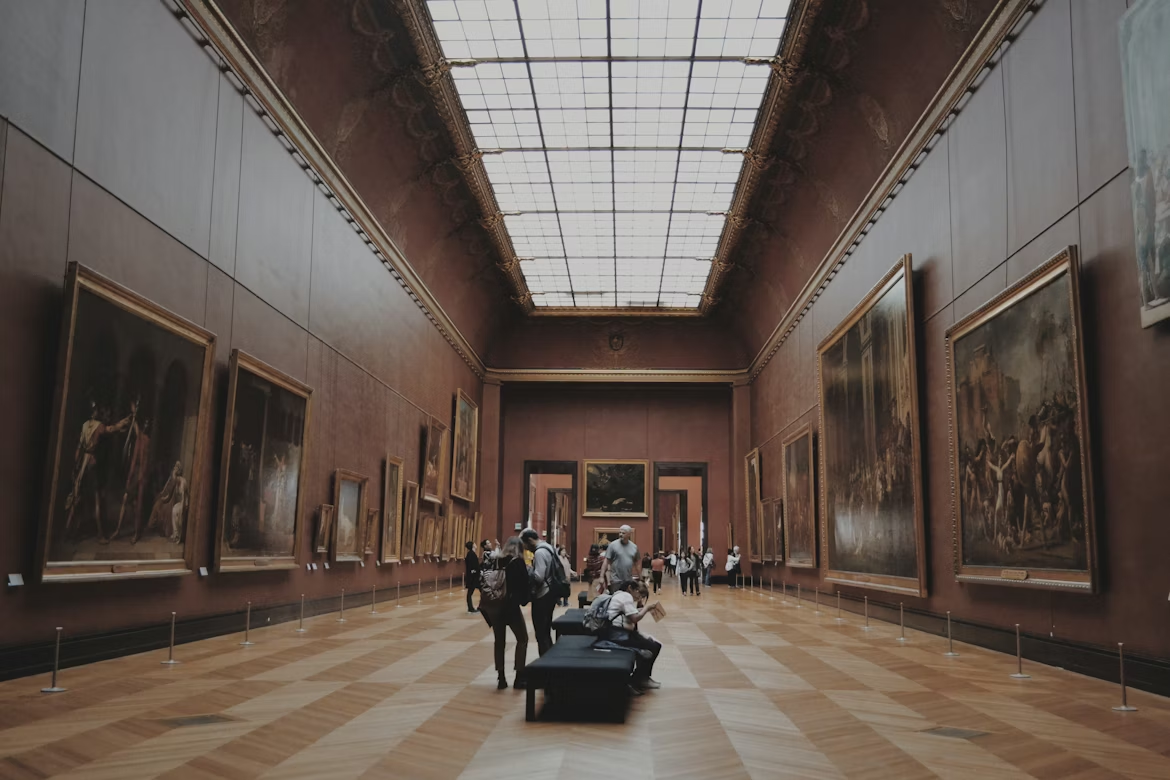
Next, walk along the Seine toward the Musée d’Orsay. This former railway station houses Impressionist masterpieces, including works by Monet, Degas, and Van Gogh. Observing the brushstrokes, color contrasts, and composition can take one to two hours depending on interest. Continue to the Louvre, where the glass pyramid and classical façades welcome visitors. While the museum is vast, focusing on key works such as the Mona Lisa, Venus de Milo, and Winged Victory provides a rich yet manageable experience. Guided tours or audio guides help contextualize the art and prevent feeling lost in scale.
Exploring Hidden Gems
Walking remains one of the best ways to discover hidden charm. Strolling through Île Saint-Louis reveals narrow streets, artisan shops, and the quiet beauty of the Seine banks. The covered passages, such as Galerie Vivienne, provide shelter and glimpses into elegant shops, mosaic floors, and historic architecture. Similarly, Le Marais has small courtyards and galleries that reward slow exploration. Taking these walks between major landmarks allows time to absorb details often missed in hurried sightseeing.
Food Experiences on a Budget
Food is central to Parisian life, and sampling it enhances cultural understanding. Bakeries along Rue de Rivoli or near Notre-Dame offer fresh croissants, pain au chocolat, and baguettes. Casual bistros provide dishes like coq au vin or quiche Lorraine at reasonable prices. Markets such as Marché Bastille or Rue Cler allow visitors to purchase fresh cheese, bread, and produce for a picnic. Lunch at a café doubles as an observational experience, watching Parisians sip espresso, read, or converse. Budget-conscious travelers should consider prix-fixe menus for lunch, which offer multiple courses at reduced rates. Carrying a reusable water bottle helps stay hydrated during long walks.
Practical Travel Tips
Public transportation in Paris is reliable, with metro lines connecting nearly all major areas. Purchasing a multi-day Paris Visite pass allows unlimited metro, RER, and bus travel and saves time compared to single tickets. Walking shoes are essential, as many streets are cobbled or uneven. Museums often have free admission on the first Sunday of each month or discounted evenings, which is ideal for budget travelers. Planning visits outside peak hours reduces lines and improves comfort, especially at landmarks like the Eiffel Tower or Louvre. Observing local etiquette, such as waiting your turn and speaking quietly, enhances comfort in public spaces.
Evening Experiences
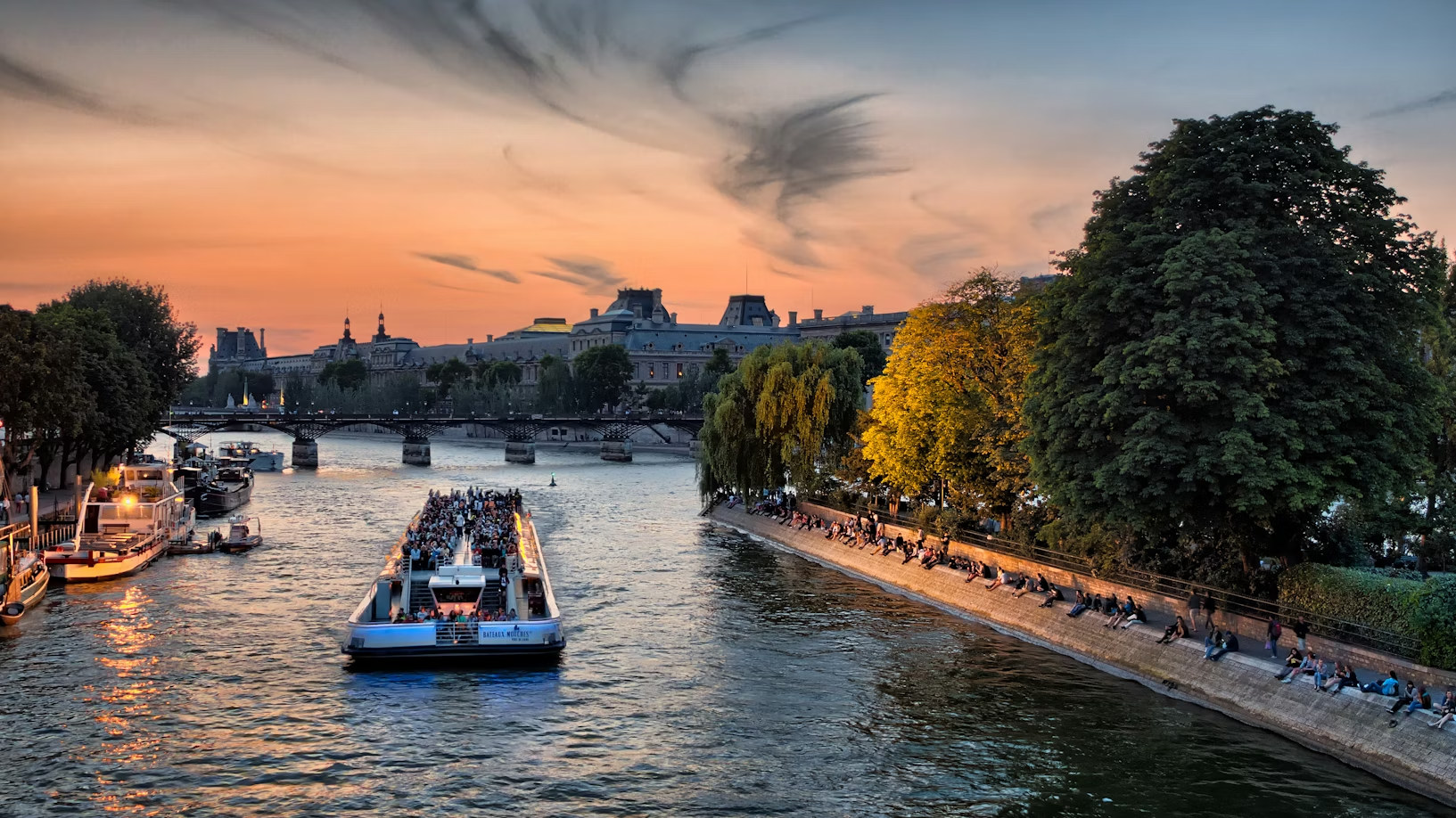
Evening experiences offer unique perspectives. Watching the Eiffel Tower light up at dusk from the Trocadéro provides a magical visual contrast to daytime visits. Strolling along the Seine at night allows views of illuminated bridges, reflections on the water, and a quieter atmosphere. Café terraces in Saint-Germain-des-Prés or Le Marais remain lively but calmer than the busiest streets, allowing relaxed conversation and people-watching. Small concerts, jazz clubs, or literary cafés provide cultural immersion without significant expense. Observing the city transition from day to night reinforces Paris’s layered personality and offers memorable moments beyond the major attractions.
Final Thoughts
Paris rewards curiosity, pacing, and attention to detail. Each arrondissement offers its own rhythm, visual character, and local flavor. From the grandeur of the Louvre to the intimacy of hidden passages, from riverside strolls to café terraces, every step contributes to a fuller understanding of the city. By balancing iconic landmarks, neighborhood exploration, culinary discovery, and practical budget strategies, first-time visitors can experience Paris fully without feeling rushed or overwhelmed. Thoughtful planning ensures not only sightseeing success but also the kind of memories that last long after leaving the city.