I usually notice a hotel’s quality when I stop checking the time. That moment often arrives late at night, when the body expects friction and noise. Instead, there is quiet. There is softness. After landing in Tokyo one winter evening, the taxi dropped me near Otemachi in steady rain. Shoes were damp. Shoulders felt tight from the flight. The lobby doors of Aman Tokyo closed behind me without a sound. Warm air replaced the cold instantly. A staff member handed me a small towel before any paperwork began. My shoulders lowered before I realized it.
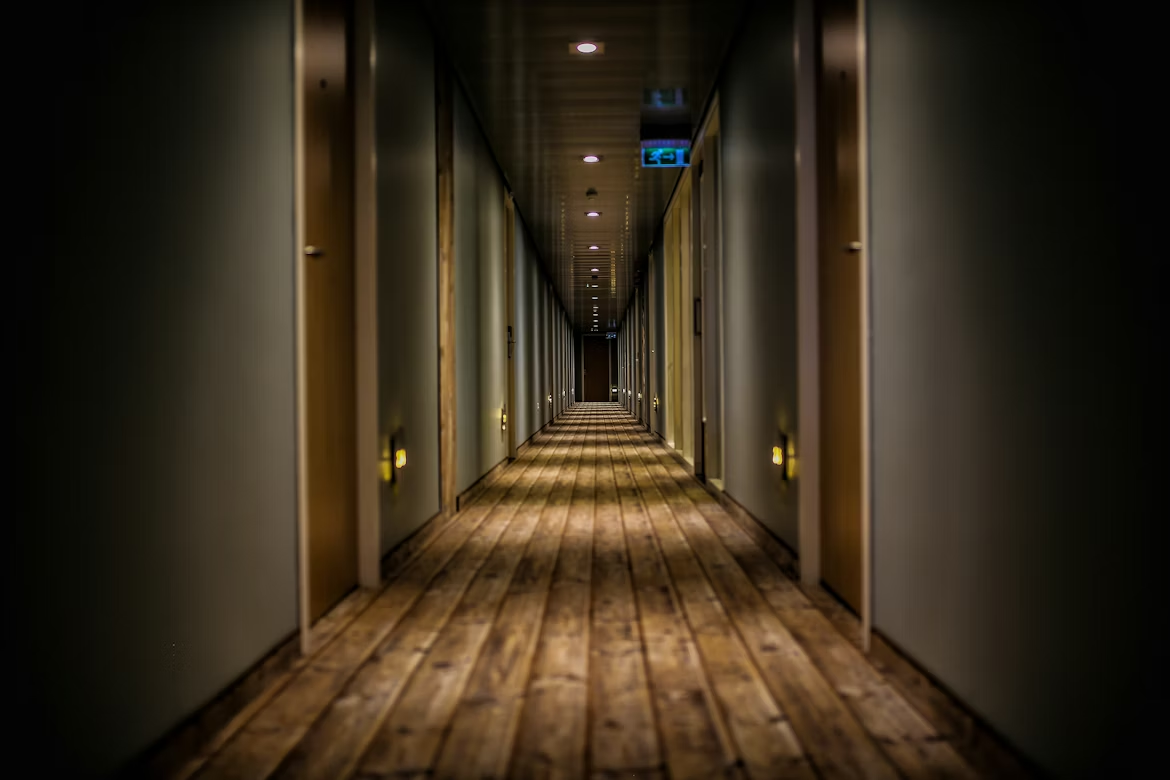
Up in the room, the city lights stretched across the windows like a slow river. Yet the glass muted every vibration from the street. I opened the curtain slightly instead of fully. The light softened rather than flooded the space. Later, jet lag pulled me awake before sunrise. Instead of reaching for the phone, I watched pale morning light move across the wooden floor. The room stayed silent. No elevator hum. No distant traffic. That was when I stopped checking the clock.
A few months later in Paris, the experience unfolded differently. Hôtel Providence sits on a street where delivery trucks still park too close to the curb. One morning, a bakery worker laughed while carrying trays inside. The sound floated through my open window. I followed the smell downstairs instead of opening a map. Five minutes later, I was holding a warm croissant on the canal bridge, watching cyclists pass. That routine repeated itself without planning. In the evening, I returned with tired legs but no transport stress. The neighborhood carried me home.
Not every memorable stay is urban. In Bali, at Bambu Indah near Ubud, a sudden tropical storm arrived just after sunset. Rain hit the bamboo roof hard and fast. Wind pushed cool air through the open walls. For a moment, I worried about humidity and insects. Yet the mosquito net held perfectly. The bedding stayed dry. The air felt fresh instead of heavy. I fell asleep listening to rain instead of machines. In the morning, the stone bathtub cooled the skin after the humid night. That balance between openness and control changed how the environment felt.
Small frustrations often reveal whether design truly works. In New York, after returning late from a delayed subway ride, I dropped my bag without searching for outlets or light switches. Everything was where the hand expected it to be. The bedside lamp glowed softly. The room stayed warm without dryness. Even after only two nights, the body learned the space. That ease saved mental energy more than any view ever could.
Over time, patterns emerge. Good design guides behavior quietly. Seating invites rest instead of scrolling. Lighting slows movement instead of stimulating it. Materials age with dignity rather than wear. Meanwhile, comfort protects recovery. Mattresses support alignment. Water pressure stays stable. Sound insulation blocks hallway motion. These details never appear on booking pages. However, they define how the next day feels.
Location quietly shapes emotion as well. Walking distance changes mindset. Spontaneous detours replace rigid schedules. Late dinners feel relaxed. Morning coffee becomes ritual. When transit friction disappears, curiosity increases.
Selection follows discipline. A hotel must improve sleep across consecutive nights. It must shorten daily movement, not extend it. It must feel calm under real stress, not staged perfection. When a property fails one of these tests, beauty alone cannot compensate.
The best stays eventually disappear from attention. They become background stability. Energy stays high. Decisions feel lighter. The destination expands naturally. That quiet disappearance is the highest compliment a hotel can earn.