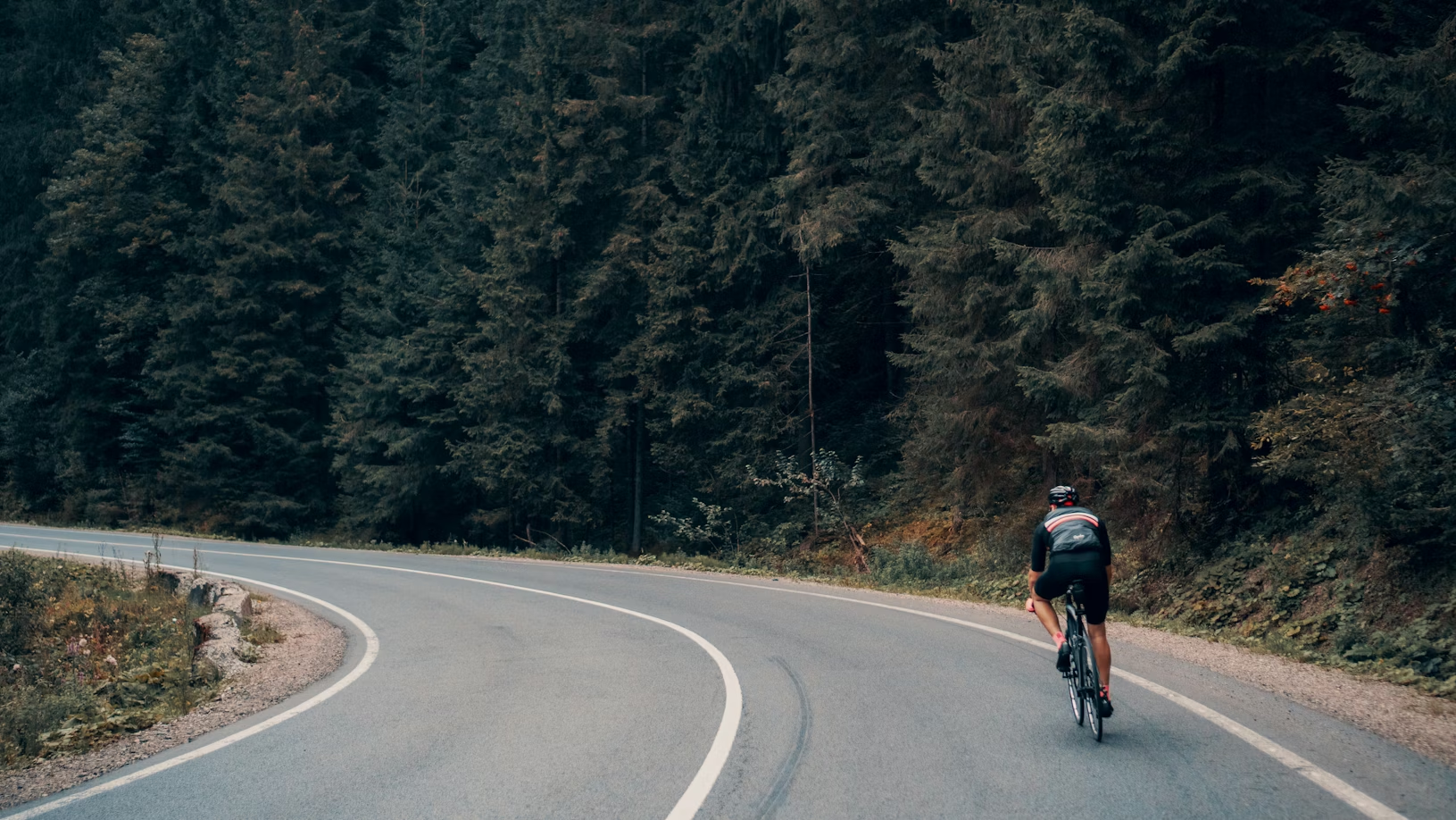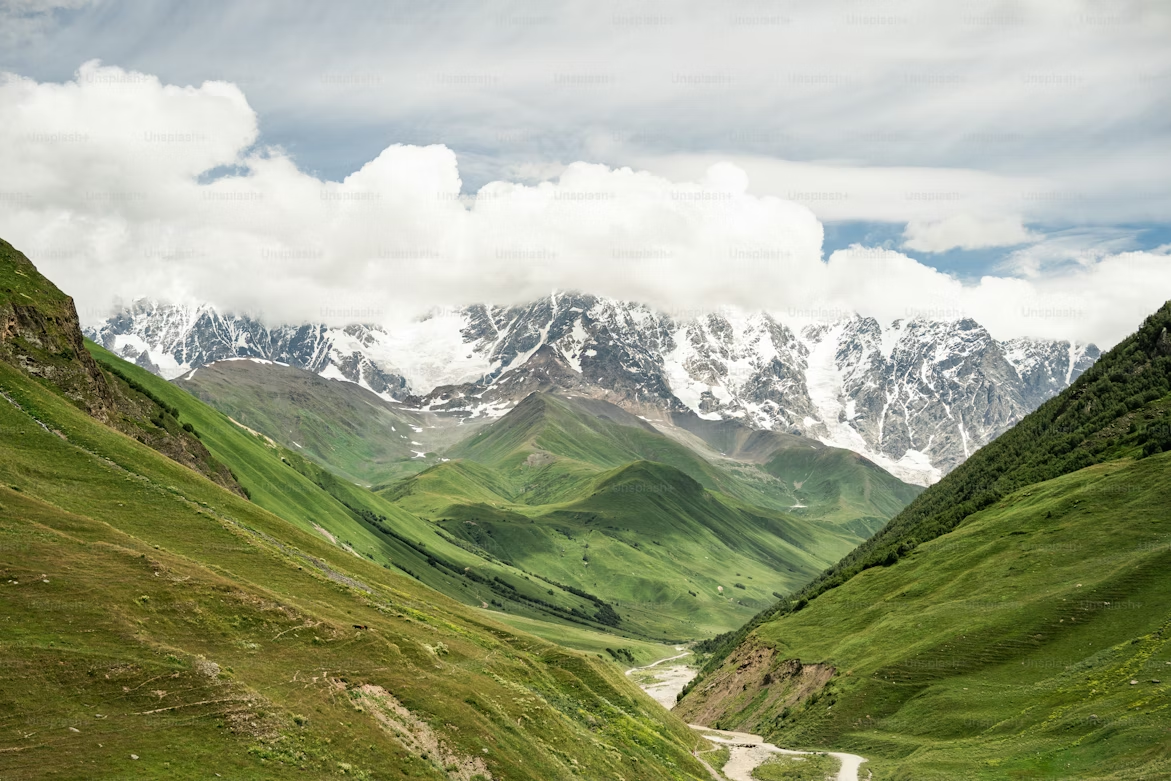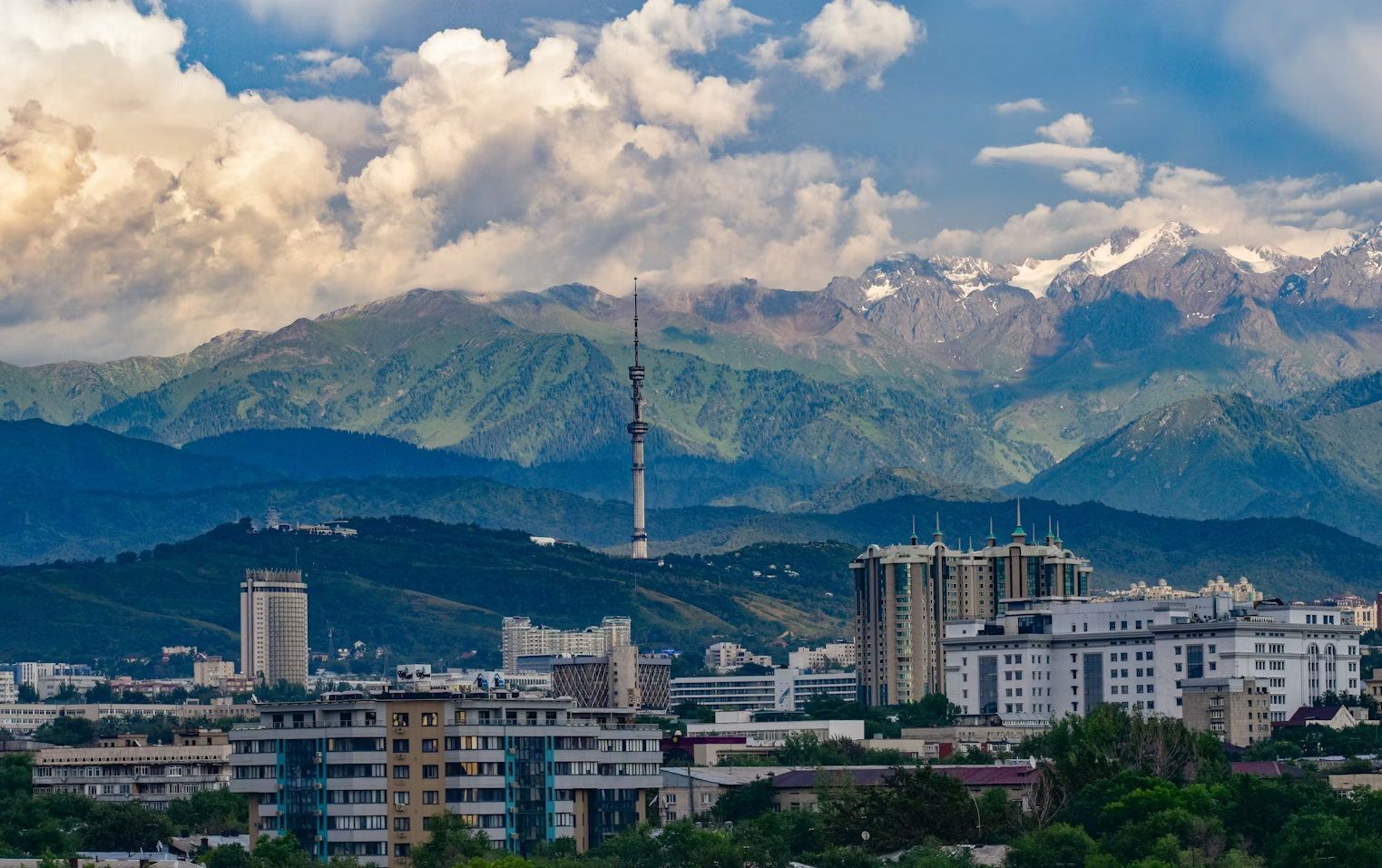
Almaty reveals itself through contrast. On one side, wide boulevards, cafés, and everyday city life unfold at an unhurried pace. On the other, snowcapped peaks rise sharply behind the skyline, close enough to shape weather, routines, and perspective. As a result, the city never feels detached from nature. Instead, it feels anchored by it.
From the moment you arrive in Almaty, the presence of the mountains is constant. Streets slope gently. Views open unexpectedly at intersections. Even short walks reveal glimpses of the Tian Shan, their outlines changing with light and season. Consequently, urban life here feels lighter, less enclosed, and more breathable than in many large cities.
During mornings, the city moves calmly. Coffee shops open early, and locals linger rather than rush. Meanwhile, tree-lined streets soften the architecture, especially in older neighborhoods where Soviet-era buildings blend with newer glass structures. Because traffic thins quickly outside peak hours, walking becomes a pleasure rather than a challenge. In this way, Almaty invites exploration at a human pace.
At the same time, nature remains remarkably accessible. Within minutes, roads begin to climb. For example, a short drive leads to Medeu, where crisp air replaces city warmth and the scale of the landscape resets expectations. From there, trails and cable cars push higher into the mountains. As altitude increases, conversations quiet and movement slows naturally. The city feels distant, even though it is physically close.
Equally important, Almaty’s food culture reflects its position at a crossroads. Central Asian traditions mix with Russian, Korean, and Caucasian influences. Therefore, meals feel generous and varied rather than refined for display. Markets overflow with fruit, nuts, and bread. In small restaurants, dishes arrive quickly and without ceremony. Eating here feels communal and grounded, reinforcing the city’s everyday warmth.
Later in the day, viewpoints such as Kok-Tobe offer perspective rather than spectacle. From above, Almaty appears green and low-rise, framed by mountains instead of dominated by towers. As evening approaches, lights spread gently across the city while the peaks darken into silhouette. This contrast defines Almaty’s emotional rhythm: active yet calm, urban yet open.
Moreover, seasons reshape the experience entirely. In winter, snow drapes both city streets and mountain slopes, drawing skiers upward and keeping evenings quiet. In summer, outdoor cafés expand, and weekend escapes into nature become routine rather than exceptional. Because of this seasonal shift, Almaty rarely feels static. Each return offers a slightly different city.
What ultimately defines Almaty is balance. The city does not compete with its landscape. Instead, it coexists with it. Workdays end with mountain views. Urban routines include sudden escapes into silence. For travelers, this creates a rare feeling of space without isolation.
Almaty does not demand attention through landmarks alone. Instead, it rewards awareness. Between cafés and cable cars, sidewalks and summits, the city teaches a simple lesson: life feels fuller when nature remains close enough to touch.