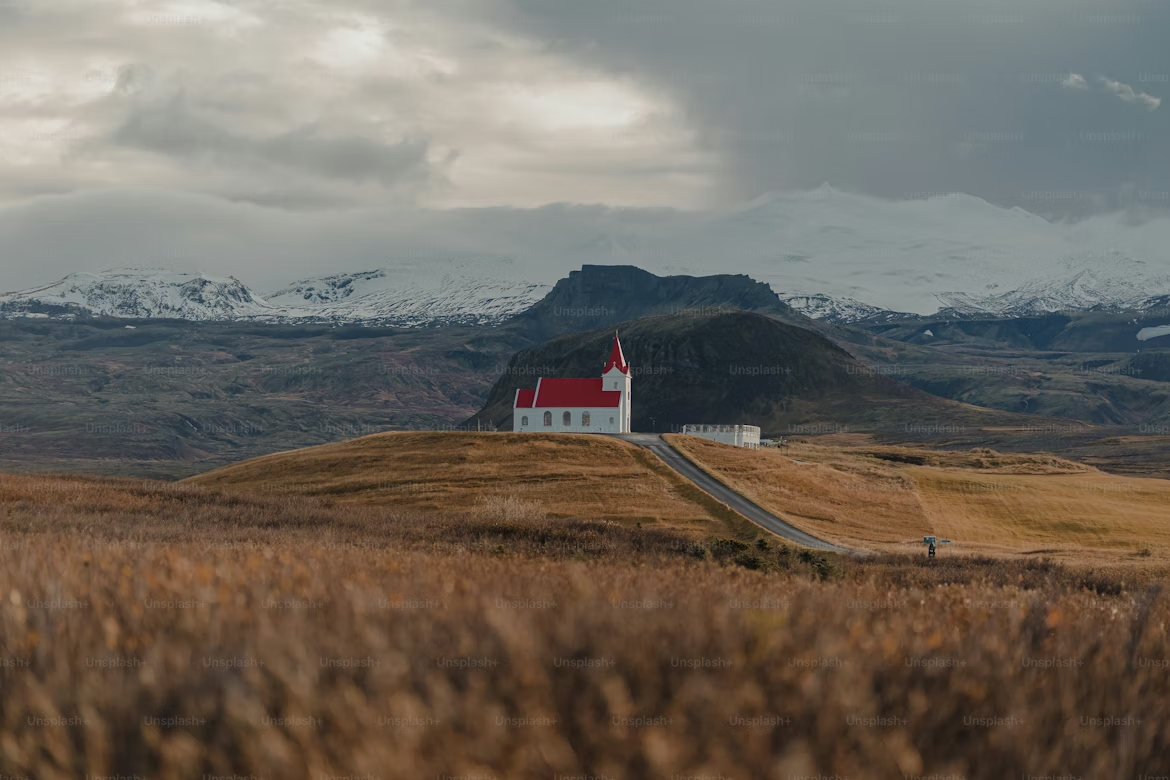
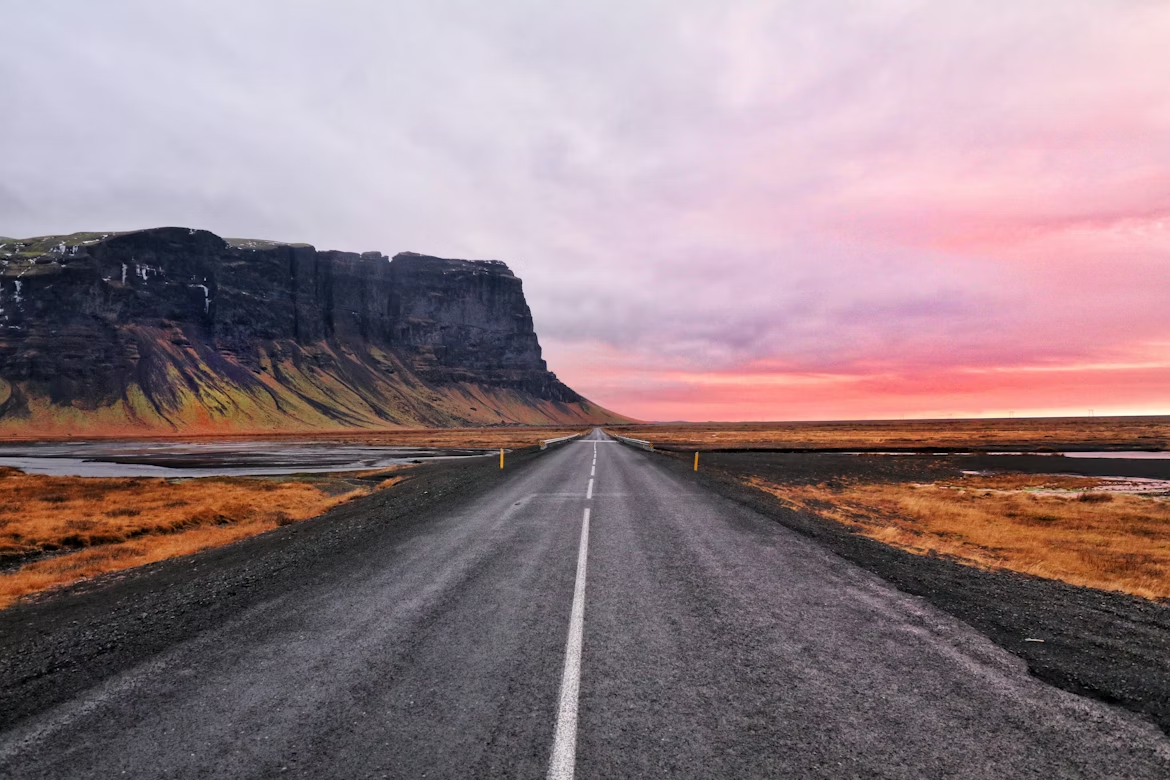
Iceland feels vast from the moment you arrive. The land opens outward in every direction, with little to block the view except mountains, clouds, and weather. Roads stretch straight and quiet. The wind carries the scent of cold water and moss. Traveling here feels less like visiting a place and more like moving through a living landscape.
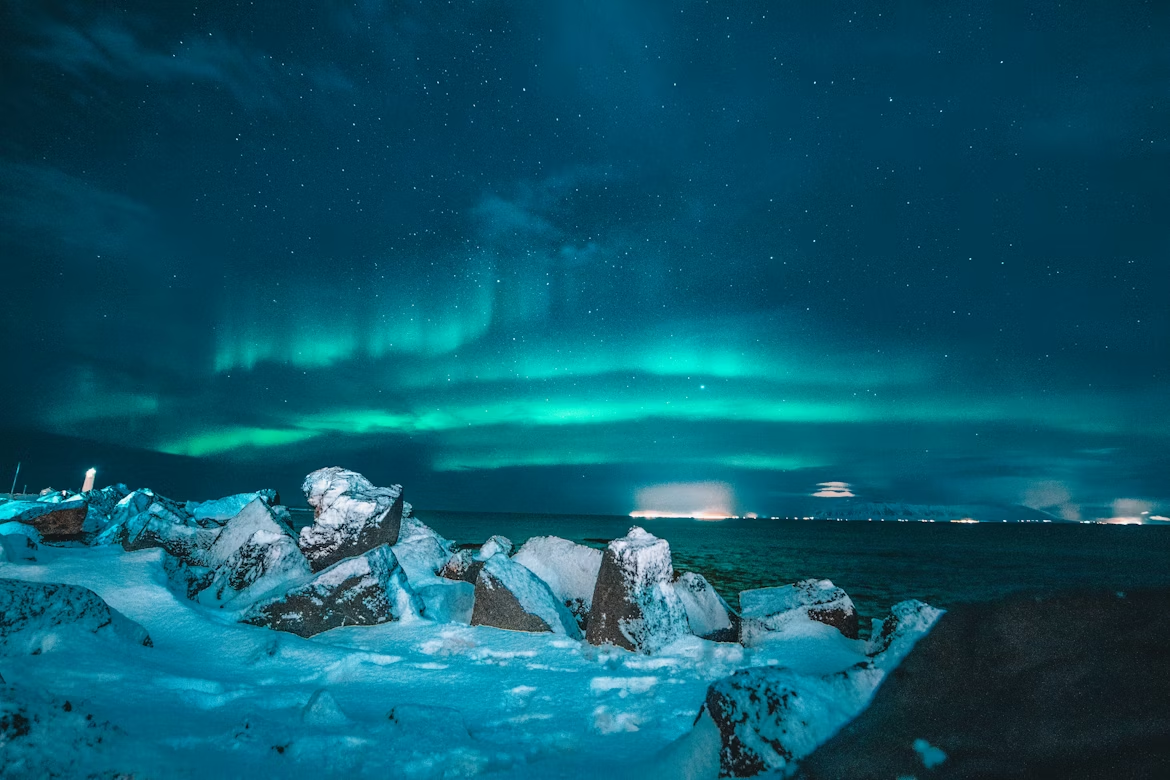
Days often begin with driving. Long hours pass with minimal traffic and constant change. Lava fields turn into grassy plains. Glaciers appear suddenly on the horizon. Light shifts quickly, sometimes within minutes. The car becomes a small shelter, a moving observation point through endless space.
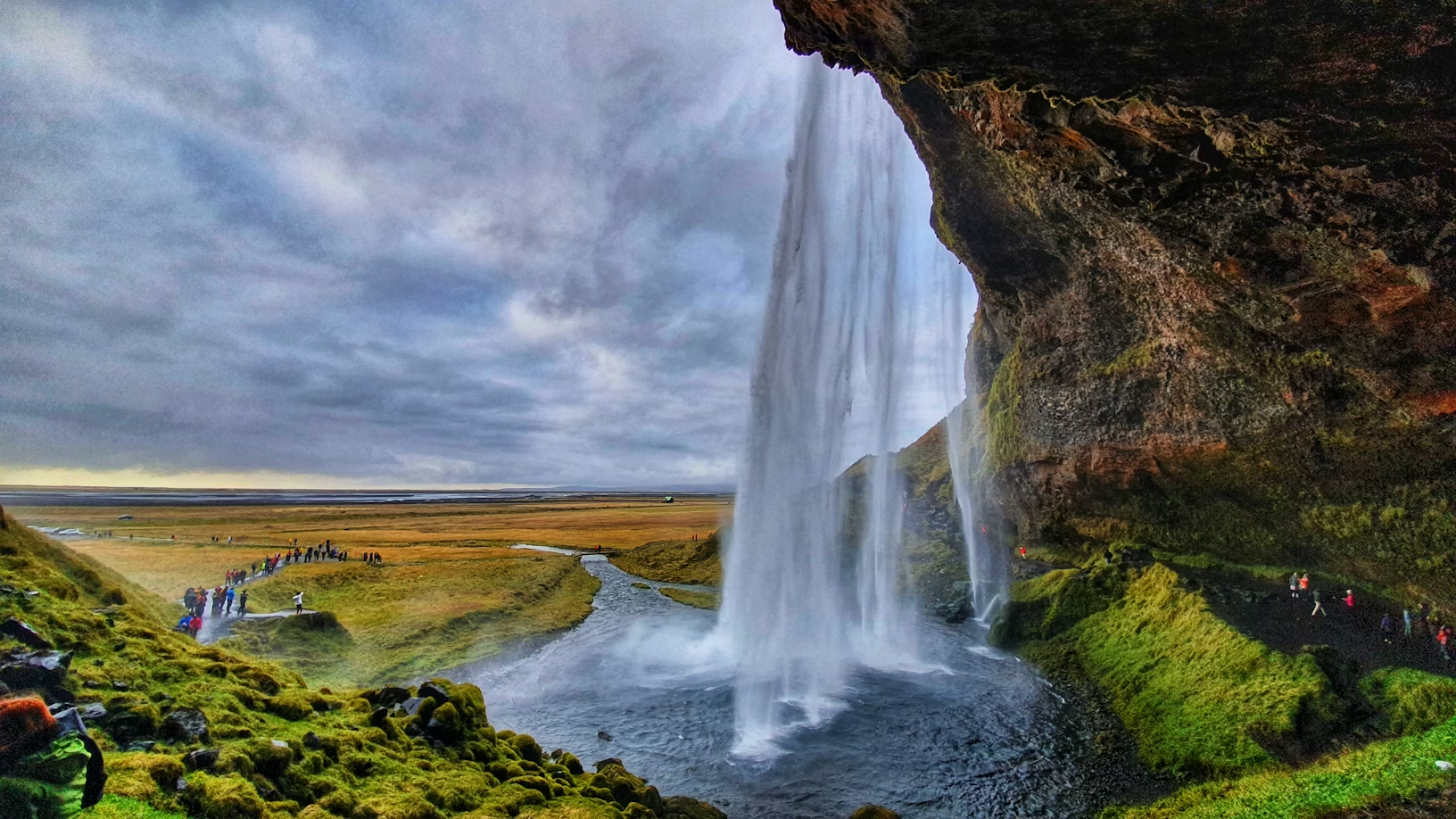
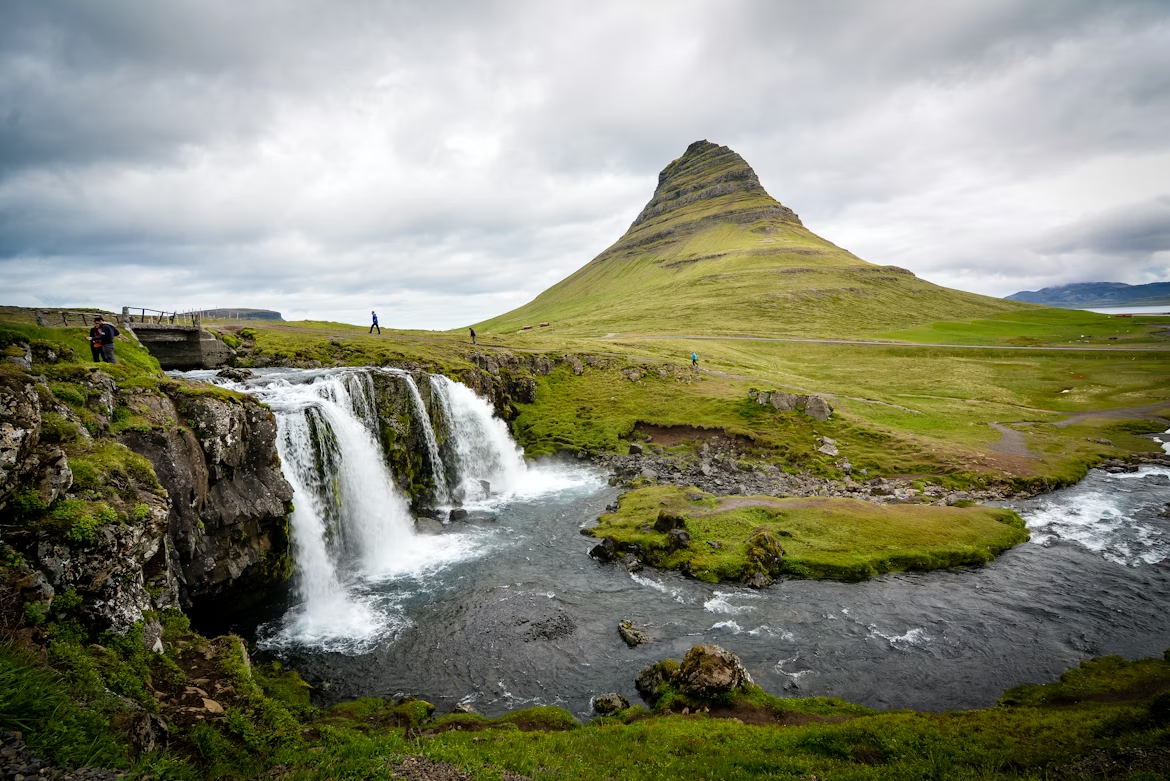
Waterfalls define the rhythm of the journey. Some announce themselves from afar with mist and sound. Others reveal themselves only after short walks across uneven ground. Standing near Skógafoss, the spray cools your face as water drops with heavy force. At Seljalandsfoss, walking behind the falling water changes perspective entirely. The world looks blurred and distorted through the curtain of motion. Silence follows once the water fades into the distance again.
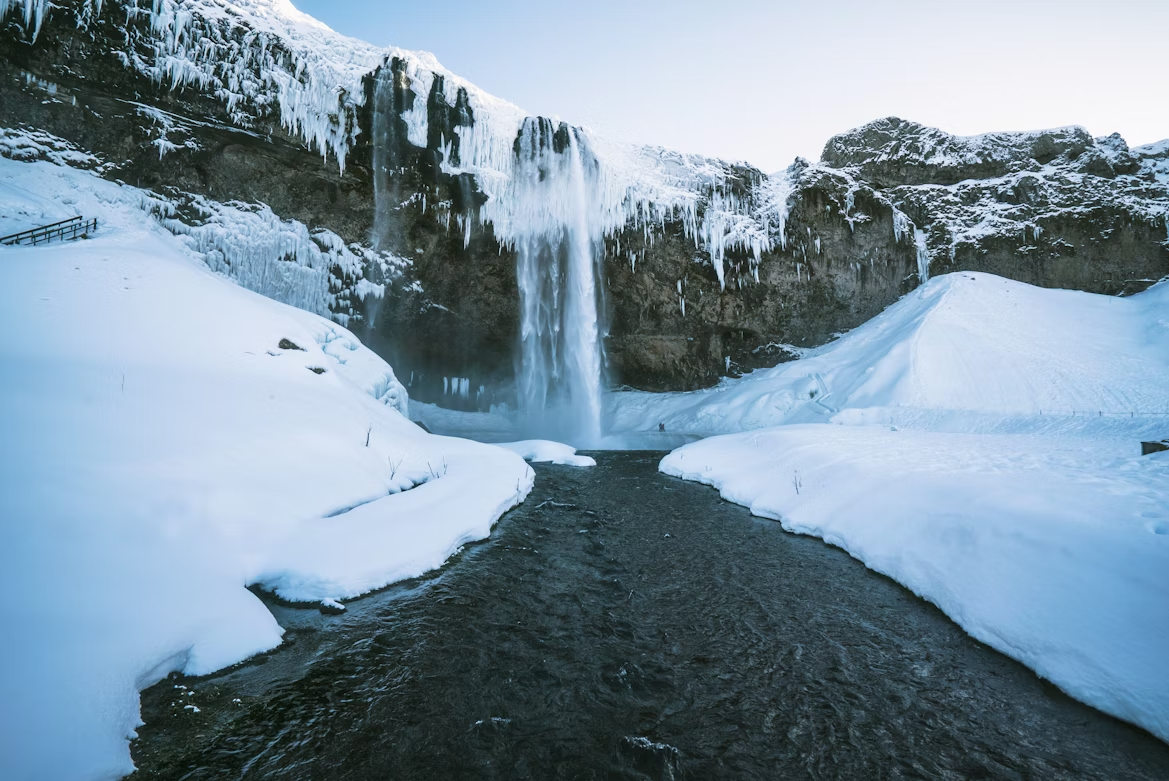
Smaller waterfalls often leave deeper impressions. Hidden streams cut through dark rock. Narrow paths lead toward quiet drops where no voices interrupt the sound of water hitting stone. Time slows naturally in these places. There is nothing to do except stand still and watch.
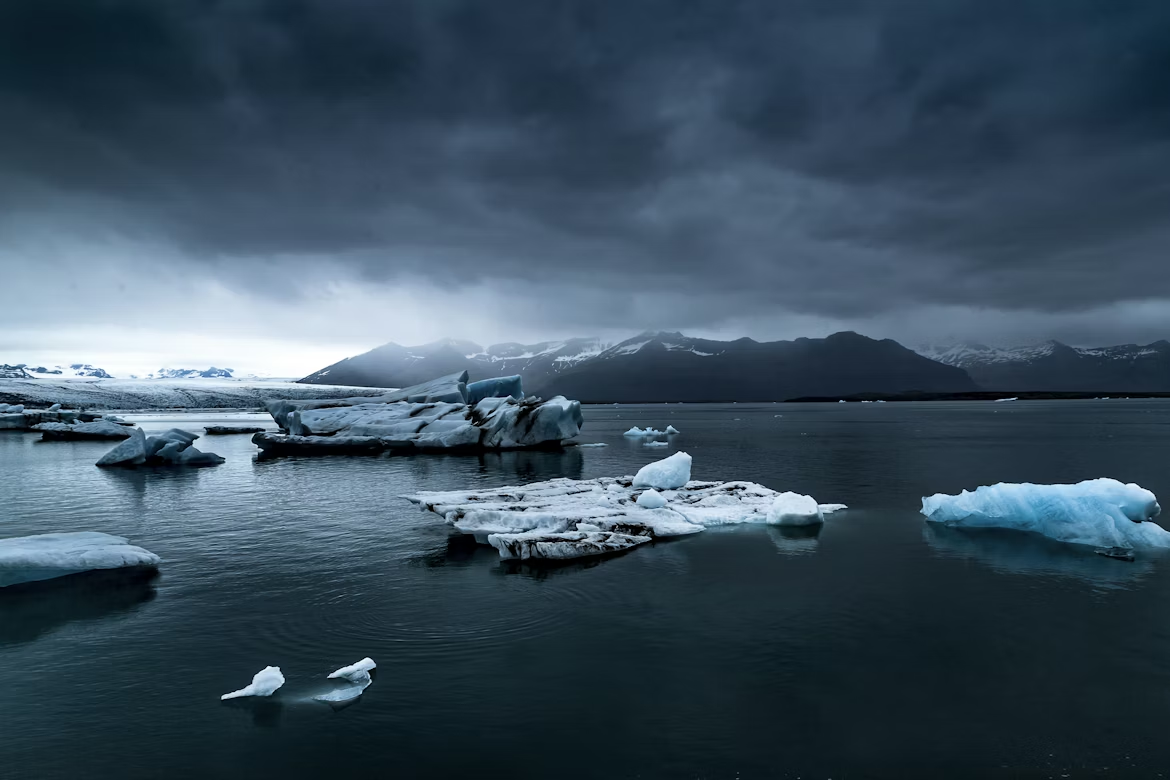
As daylight shortens, anticipation grows. Evenings become quieter. The sky deepens into shades of blue and black. You stop checking the clock and start watching the horizon instead. When the northern lights appear, they arrive without ceremony. Soft at first. Then stronger. Green waves stretch across the sky and dissolve just as quickly. Standing in the cold, wrapped in layers, the experience feels intimate rather than dramatic. No photograph fully captures the movement or the silence that surrounds it.
Nature sets the schedule in Iceland. Weather changes plans without warning. Rain may turn to snow. Wind may delay movement. These interruptions feel less like obstacles and more like instructions. You learn to wait. You learn to adapt. Hot springs become places of reward. Submerging into warm water while cold air presses against your face creates a contrast that feels deeply comforting. Muscles relax. Conversations soften. Steam rises into the dark.
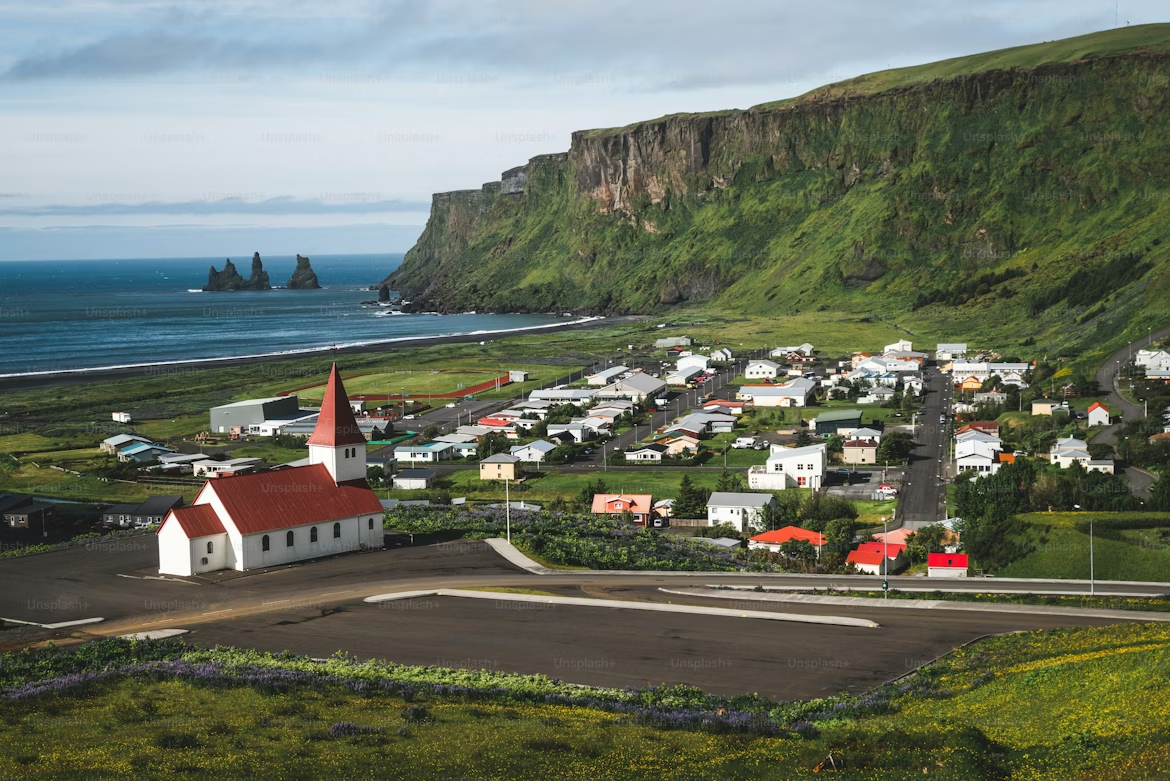
Accommodation often feels secondary to the environment. Simple guesthouses offer warmth and shelter rather than luxury. Windows frame landscapes like quiet paintings. Mornings begin with frost on glass and soft light filtering through clouds. Coffee tastes better when silence surrounds you.
What remains most memorable is not a single landmark, but the openness itself. The absence of noise. The scale of land compared to human presence. Iceland invites patience and attention. It encourages you to slow down, to stop chasing moments, and instead allow them to arrive.
Chasing waterfalls and northern lights becomes less about movement and more about awareness. Each stop feels earned. Each pause feels meaningful. In Iceland’s open landscapes, the journey expands beyond the road and settles somewhere deeper, where stillness becomes part of the experience.