Chiang Mai moves at a gentler rhythm. Mornings unfold quietly. Motorbikes pass without urgency. Incense drifts from temple gates. Coffee aromas rise from shaded lanes. The city invites patience rather than speed. For slow travelers, this rhythm becomes the destination itself.
Early light enters the Old City through low walls and tree canopies. Monks walk barefoot along sidewalks, their robes catching warm color as they collect morning offerings. Shopkeepers sweep fallen leaves from temple entrances. Metal gates lift slowly. At Wat Phra Singh, golden roofs glow softly while the inner courtyards remain cool and calm. A few blocks away, Wat Chedi Luang rises in weathered brick, steady and grounded. Sitting on the stone steps, the air feels thick with quiet history. The sound of distant bells blends with birdsong. Time stretches naturally without effort.
Coffee culture structures the middle of the day. Small cafés hide behind wooden doors and garden walls. At Ristr8to Lab, baristas explain roast profiles while carefully weighing beans. Steam fogs the windows slightly in the morning heat. At Akha Ama Coffee, conversations drift between farmers, travelers, and local creatives. Cups arrive warm but never rushed. Chairs invite lingering. Laptops appear briefly, then close. The pace remains human rather than productive.
Heat reshapes movement by afternoon. Shade becomes valuable. Side streets feel cooler than main roads. Slow lunches stretch longer than expected. A bowl of noodle soup becomes both meal and pause. Hammocks sway gently in guesthouse courtyards. Even simple errands become short walks framed by flowering walls and quiet shrines.
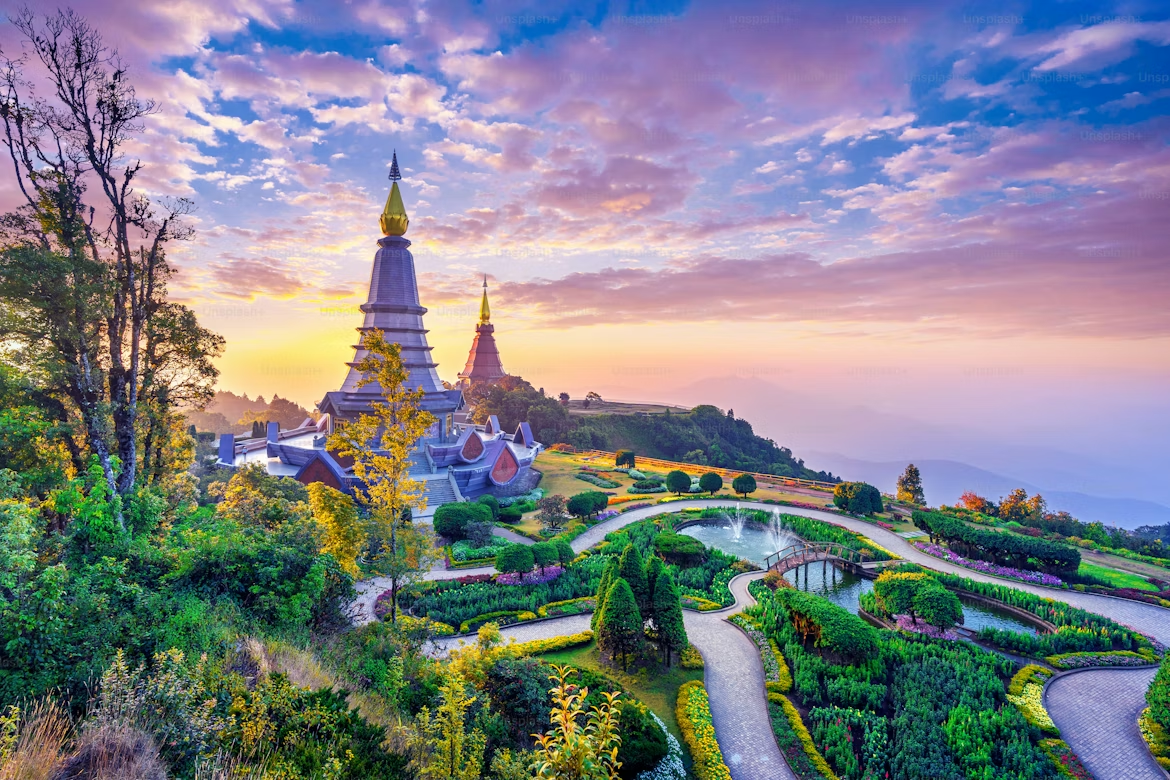
Nature waits close to the city’s edge. A winding road climbs toward Doi Suthep, where air cools and forest thickens. Bells ring softly along stairways. Clouds drift across terraces, briefly hiding the valley below. From the viewpoints, Chiang Mai appears calm and contained rather than sprawling. Further beyond, small waterfalls offer cold pools and shaded rocks. The water sharpens the senses. Silence expands again after each splash.
Evenings soften the city further. Lantern light glows along sidewalks. Grills release smoky warmth into the air. Street vendors arrange herbs and vegetables with practiced hands. At local markets, stools become shared tables. Strangers exchange smiles over bowls of khao soi, its coconut richness balancing spice and lime. Conversation flows easily without introductions.
Accommodation supports this slower cadence. Many guesthouses favor gardens, open corridors, and natural ventilation. Windows invite breeze rather than sealed air. Birds replace alarm clocks. Morning tea arrives quietly on small wooden trays. The body adjusts without resistance. Sleep deepens naturally.
What defines Chiang Mai for slow travelers is consistency rather than novelty. Distances remain walkable or easily rideable. Prices stay gentle. Interactions feel sincere. Days settle into familiar rituals: temple walks, coffee pauses, shaded reading, forest air, evening meals. The city rewards repetition rather than accumulation.
Chiang Mai teaches a different relationship with time. It allows observation. It restores attention. In temples, cafés, and forest paths, life regains softness. Movement slows. Presence expands. The journey becomes internal as much as external.