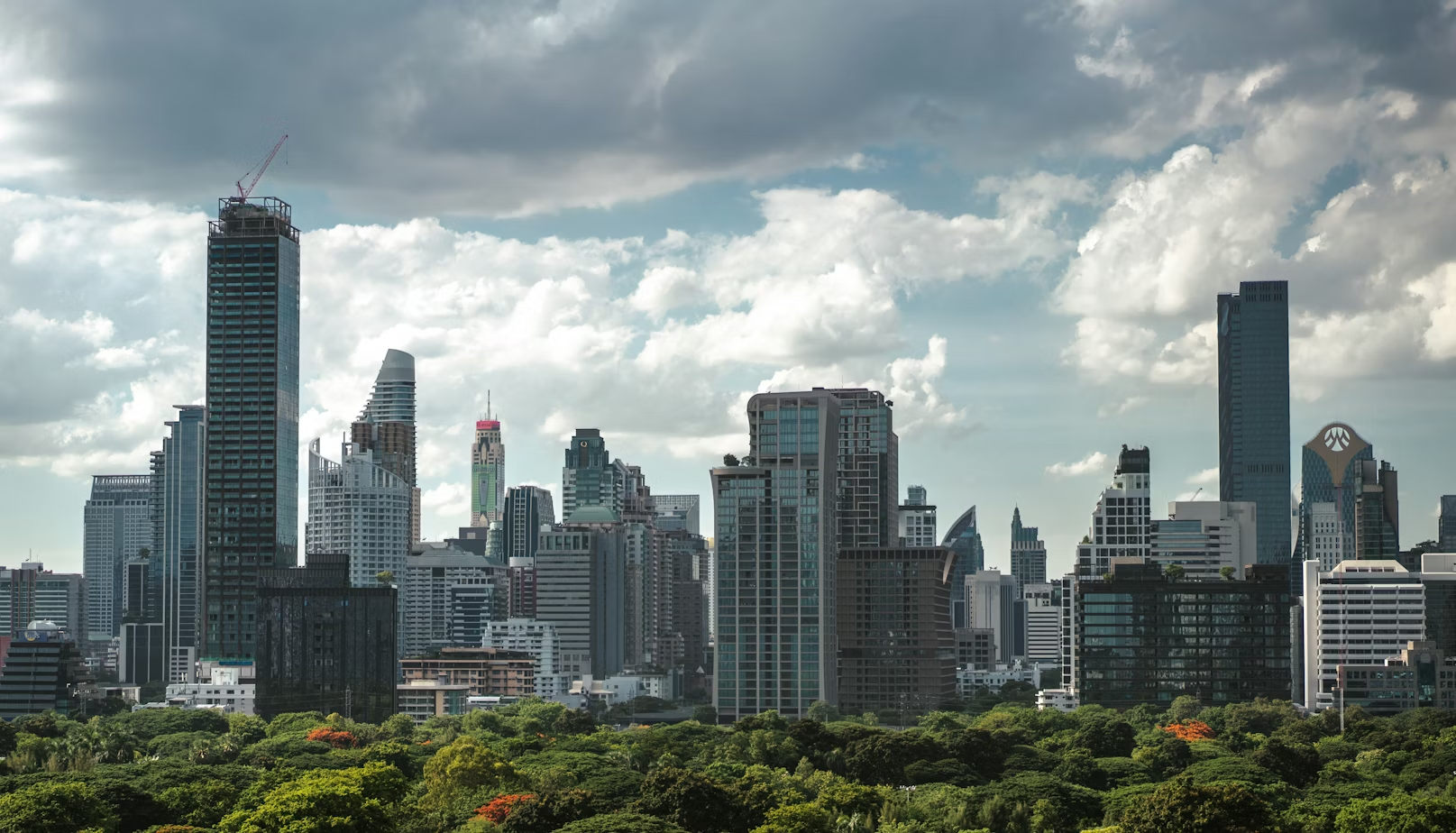
Bangkok is a city of contrasts, where glittering temples rise beside bustling streets filled with motorcycles, tuk-tuks, and street vendors. The city feels alive at all hours, with floating markets, hidden alleyways, and rooftop bars offering constant surprises. For first-time visitors, Bangkok can seem chaotic, but a structured approach ensures a rewarding and immersive experience. This guide explores neighborhoods, food, safety, and lesser-known corners that reveal the city beyond typical tourist paths.
Exploring Bangkok’s Neighborhoods
Choosing the right neighborhood greatly affects the daily experience. Sukhumvit offers modern shopping malls, international restaurants, and easy access to the BTS Skytrain, which simplifies navigation across the city. Silom is ideal for nightlife and cultural landmarks; it’s close to Lumphini Park for morning walks and features vibrant street markets at night. The historic district around Rattanakosin includes the Grand Palace, Wat Pho, and numerous museums, making it perfect for first-time sightseeing. For a more local feel, neighborhoods like Thonglor and Ari offer boutique cafés, independent shops, and quiet residential streets that contrast sharply with the city’s busiest areas. Staying in a neighborhood that matches your pace and interests minimizes travel time and enhances exploration.
Street Food and Culinary Experiences`
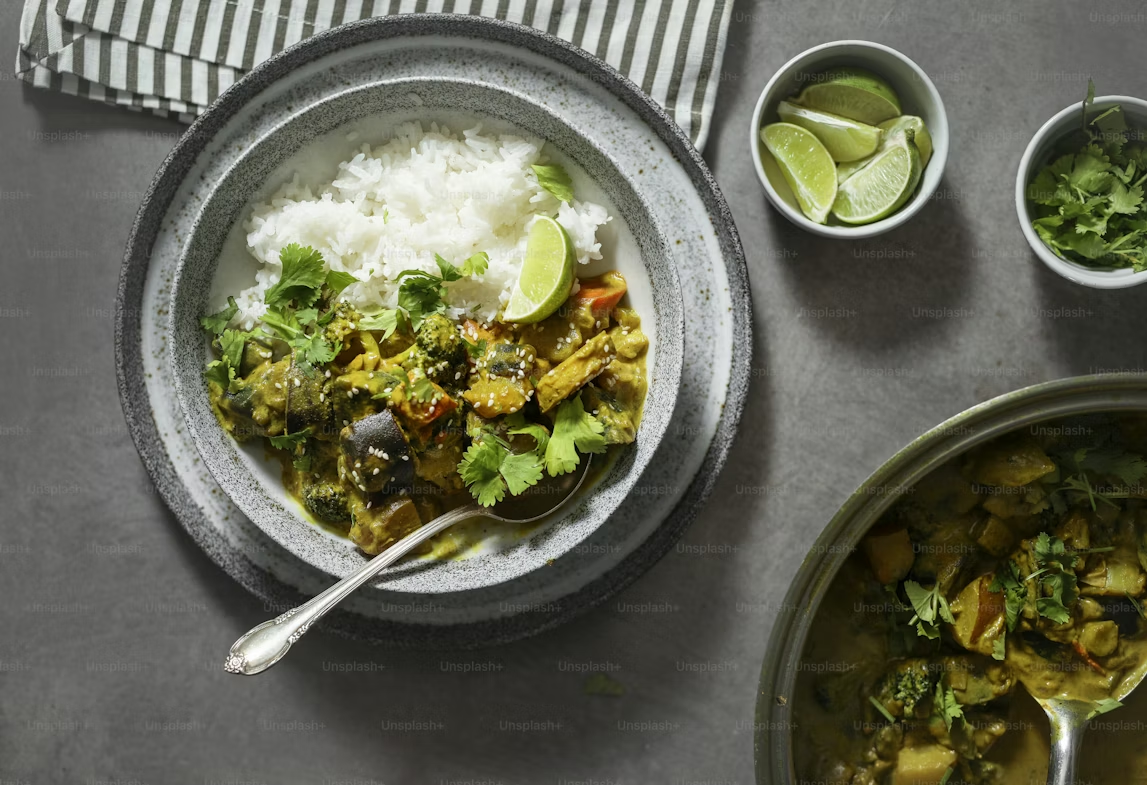
Bangkok is synonymous with street food, offering meals that are fresh, flavorful, and affordable. Chinatown, known locally as Yaowarat, is famous for grilled seafood, roasted duck, and noodle soups. In the evening, neon signs illuminate alleys filled with vendors selling pad Thai, mango sticky rice, and skewered meats. Near Sukhumvit, small stalls serve spicy papaya salad, fried chicken, and fragrant curry dishes. Chatuchak Weekend Market combines shopping with food exploration; walking between stalls, visitors can sample coconut ice cream, fresh fruit shakes, and traditional Thai desserts. Markets like Or Tor Kor or Talad Rod Fai offer higher-end street food experiences and local delicacies. Spending an afternoon tasting a variety of dishes gives both a cultural and culinary perspective on Bangkok life.
Must-Visit Attractions
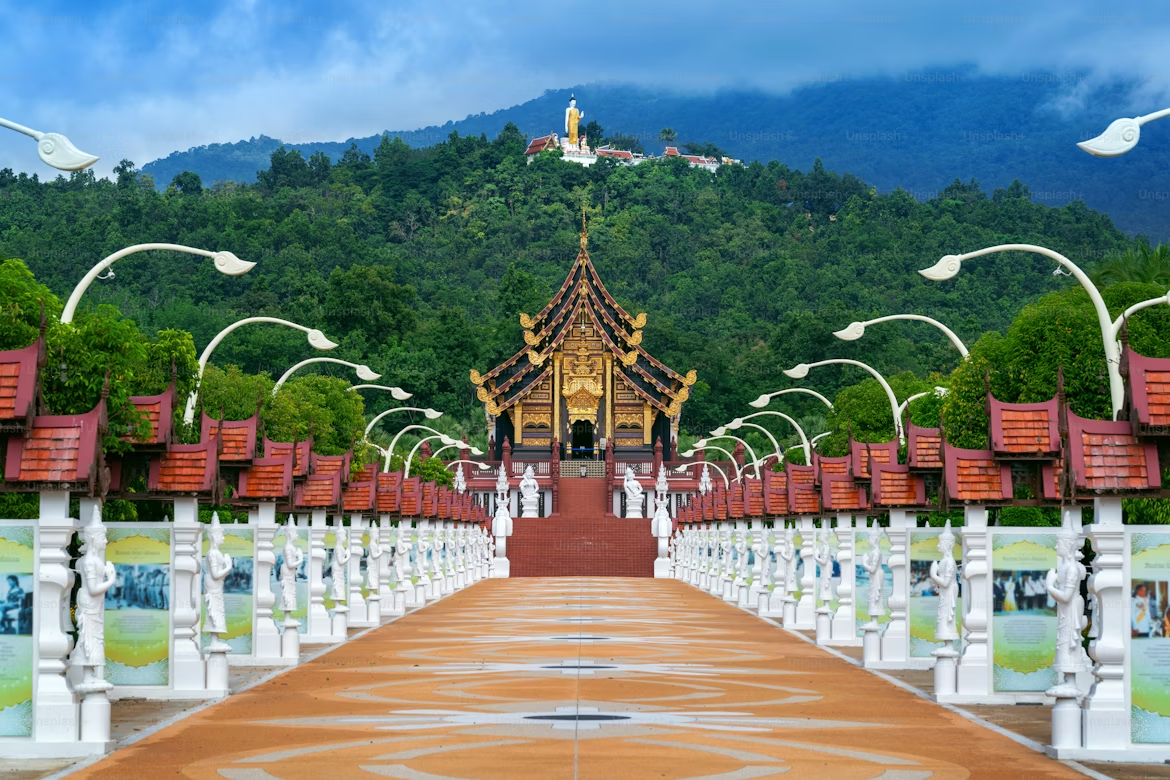
Temples are central to Bangkok’s identity. The Grand Palace is a sprawling complex of golden spires, intricate murals, and sacred halls. Visiting early in the morning avoids the largest crowds and allows time to appreciate the details of the Emerald Buddha and ceremonial architecture. Nearby, Wat Pho is home to the Reclining Buddha, a 46-meter-long gilded statue, and traditional Thai massage schools. The temple courtyards are filled with incense and the sounds of chanting monks, offering an immersive spiritual atmosphere. A short boat ride along the Chao Phraya River leads to Wat Arun, or the Temple of Dawn. Climbing its steep central prang provides panoramic views of the river and city skyline. Plan about two to three hours for these three main temple sites to move at a comfortable pace without rushing.
For modern Bangkok experiences, the rooftop bars along the riverside, such as Sky Bar at Lebua, provide sweeping city views at sunset. Shopping districts like Siam Square, MBK Center, and CentralWorld combine retail therapy with air-conditioned comfort and diverse dining options. Meanwhile, Jim Thompson House preserves traditional Thai architecture and exhibits silk production history, giving insight into Thai artistry beyond the temples.
Hidden Neighborhoods and Off-the-Beaten-Path Exploration
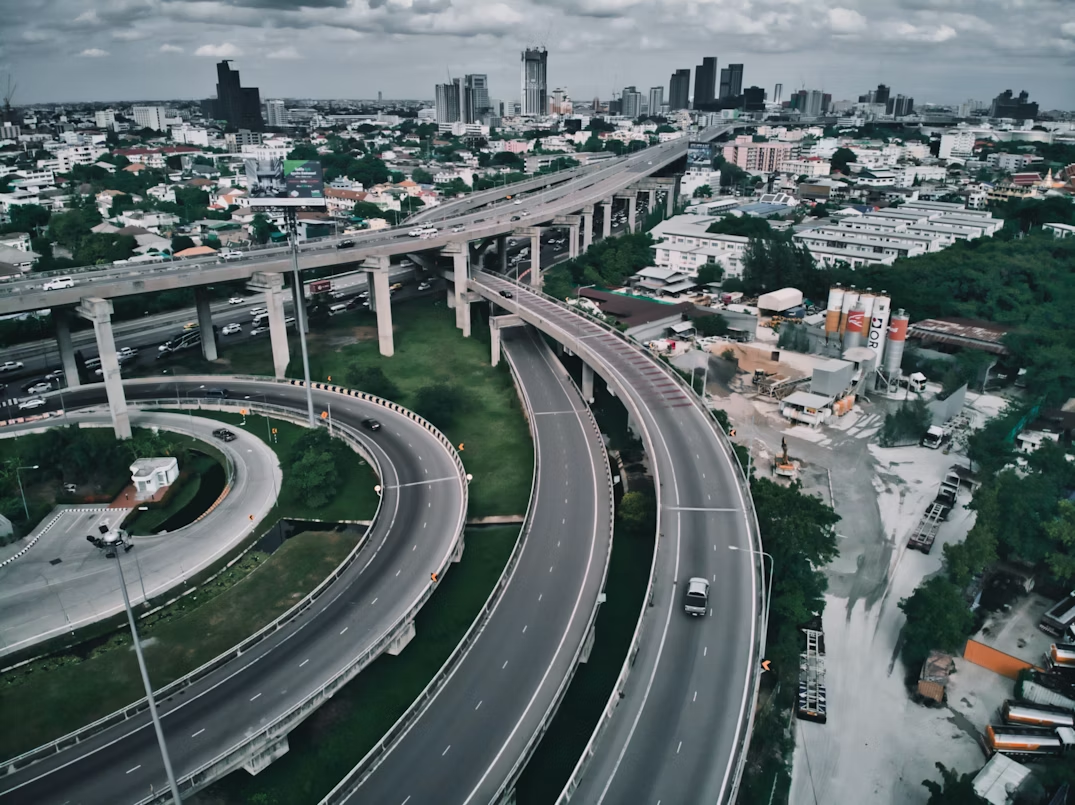
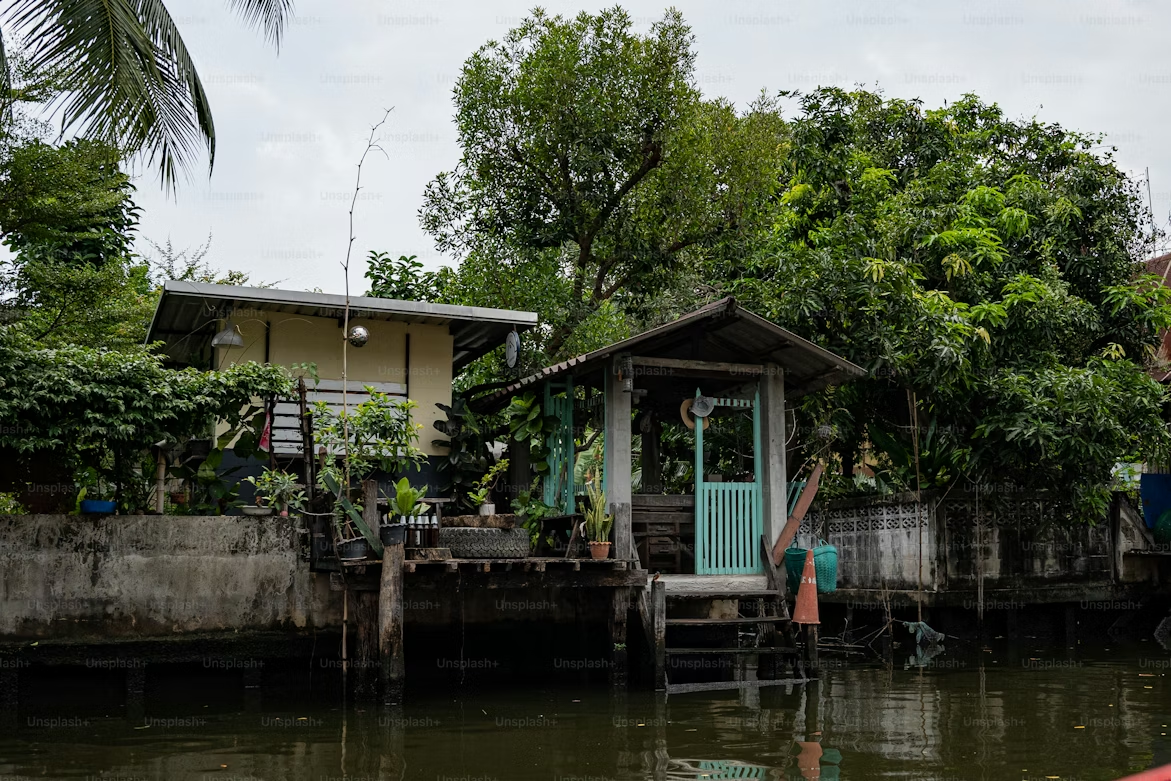
Bangkok has numerous hidden corners that reveal its local charm. Bang Rak features quiet lanes, old shophouses, and street art murals. Exploring by foot or bicycle allows visitors to encounter local markets and traditional eateries. Phra Khanong offers small cafés, craft shops, and laid-back streets rarely visited by tourists. A stroll through Talad Noi, with its graffiti, metal workshops, and riverside paths, showcases an artistic and industrial side of Bangkok few guidebooks emphasize. Even short detours from major roads can lead to unexpected temples, local markets, or peaceful canals.
Safety and Practical Tips
Bangkok is generally safe for tourists, but awareness is key. Crowded areas and markets require attention to personal belongings. Tuk-tuks and motorcycle taxis are convenient but negotiating fares in advance prevents overcharging. Public transportation, including the BTS Skytrain and MRT subway, is reliable and efficient for avoiding traffic congestion. Drinking bottled water and being mindful of street food hygiene ensures a comfortable trip. Early morning temple visits and avoiding late-night alleyways in unfamiliar neighborhoods enhance safety and comfort. Travelers should carry small bills for small purchases and tips, as many vendors do not accept cards.
Budget-Friendly Travel Advice
Bangkok offers excellent value for money. Street food is cheap and abundant, while local buses and trains reduce transportation costs. Many temples and markets are free or have minimal entry fees. Booking budget hotels or guesthouses in Sukhumvit or Rattanakosin neighborhoods ensures central access without high prices. For souvenirs, negotiating politely at markets often results in fair deals, while small shops in hidden alleys provide unique, handmade items that are often cheaper than tourist areas. Planning meals around street stalls and local markets allows sampling the best flavors without overspending.
Final Thoughts
Bangkok is a city of sensory richness, with vibrant streets, ornate temples, and hidden alleys waiting to be discovered. Balancing iconic sights like the Grand Palace and Wat Pho with street food exploration, local markets, and off-the-beaten-path neighborhoods provides a full perspective of the city. By choosing the right neighborhood, understanding safety, and pacing your visits, first-time travelers can experience the energy, culture, and flavors of Bangkok without feeling overwhelmed. With curiosity, planning, and flexibility, Bangkok becomes not only accessible but unforgettable, leaving visitors with memories of vibrant streets, fragrant foods, and hidden corners that define the city’s spirit.