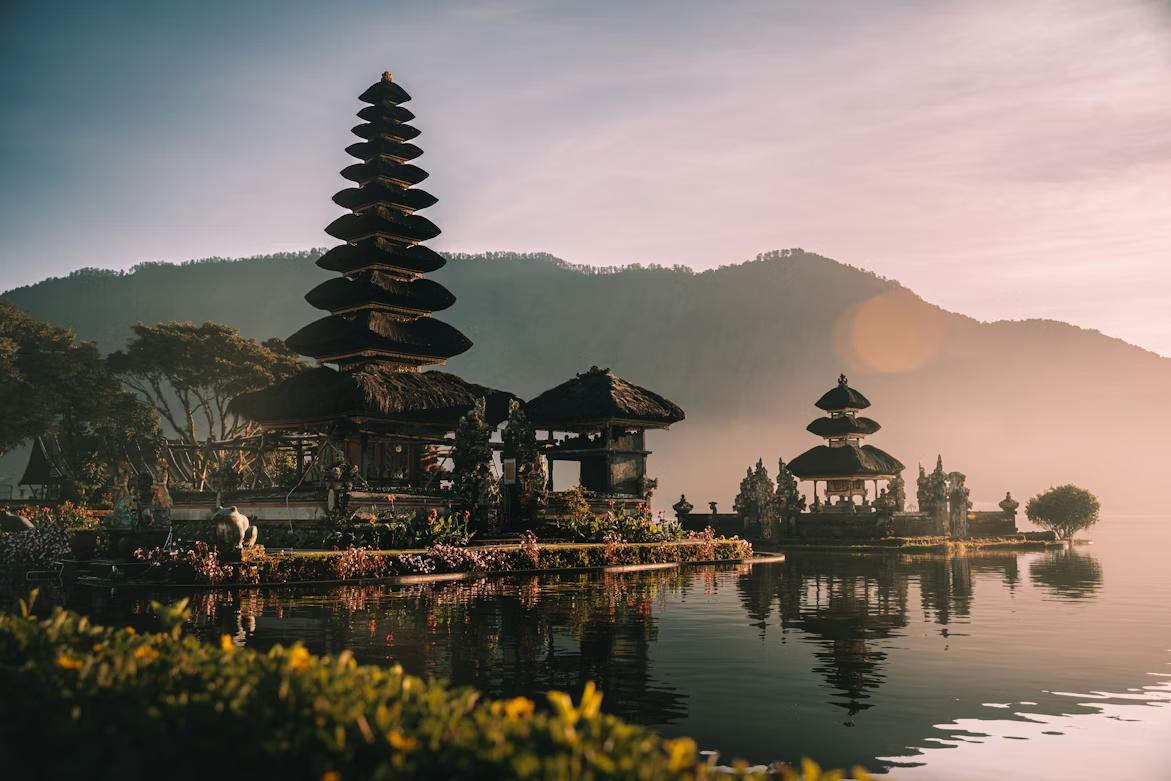
Travel in 2026 feels more intentional. People are no longer rushing through cities just to tick boxes. They want rhythm, culture, and emotional connection. Many travelers now combine work and leisure, staying longer to experience life rather than sights alone. Bali has emerged as a top destination because it offers this kind of immersive experience, blending natural beauty, culture, and a pace that invites presence.
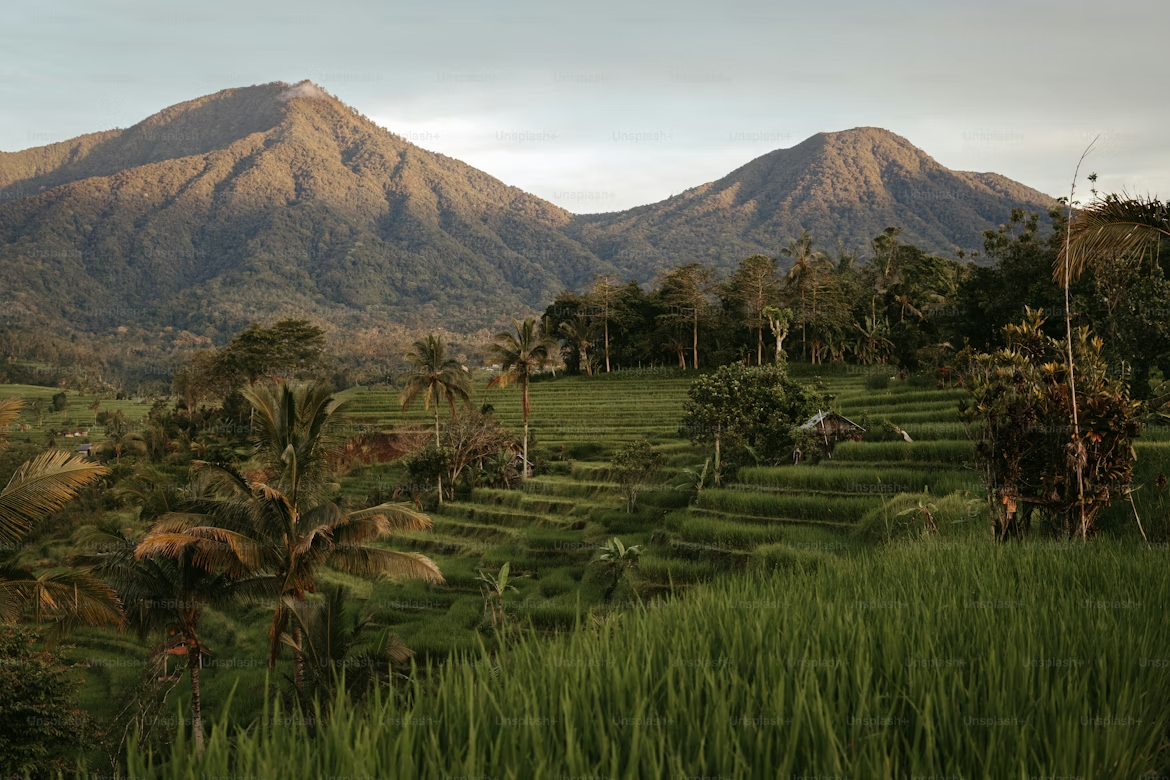
Mornings in Bali are gentle yet alive. The first rays of sun filter through tall palm fronds, casting dappled shadows across terraced rice paddies. The air is a mix of ocean salt, tropical flowers, and earth after early-morning rain. Street vendors begin setting up wooden carts, sizzling spices and grilling fish, while the faint rhythm of gamelan music floats from nearby temples. Fishermen push small boats into calm waters, their reflections shimmering on glassy bays. The combination of movement and quiet creates a sense of anticipation, as if the island is breathing with the day.
Travelers find themselves drawn into these rhythms naturally. A short ride takes you from the bustling beach town of Seminyak to the quiet village of Ubud. Along the way, motorbikes weave past green fields and flowering shrubs, local children chase each other along narrow paths, and small shrines peek from the side of the road, adorned with daily offerings. Each turn feels like a new discovery, a chance to slow down and absorb life at a human pace.
Wellness experiences are woven into daily life. Yoga classes open at sunrise, overlooking rice terraces or the ocean. Afterward, fresh coconut water and fruit bowls restore energy. Many visitors walk barefoot through gardens or along sandy beaches, feeling the cool earth or warm grains beneath their feet. Afternoon spa sessions combine herbal treatments and gentle massage, leaving the body relaxed and the mind still. Even simple meals, whether a local nasi goreng or a fresh salad in a garden café, feel nourishing rather than rushed.

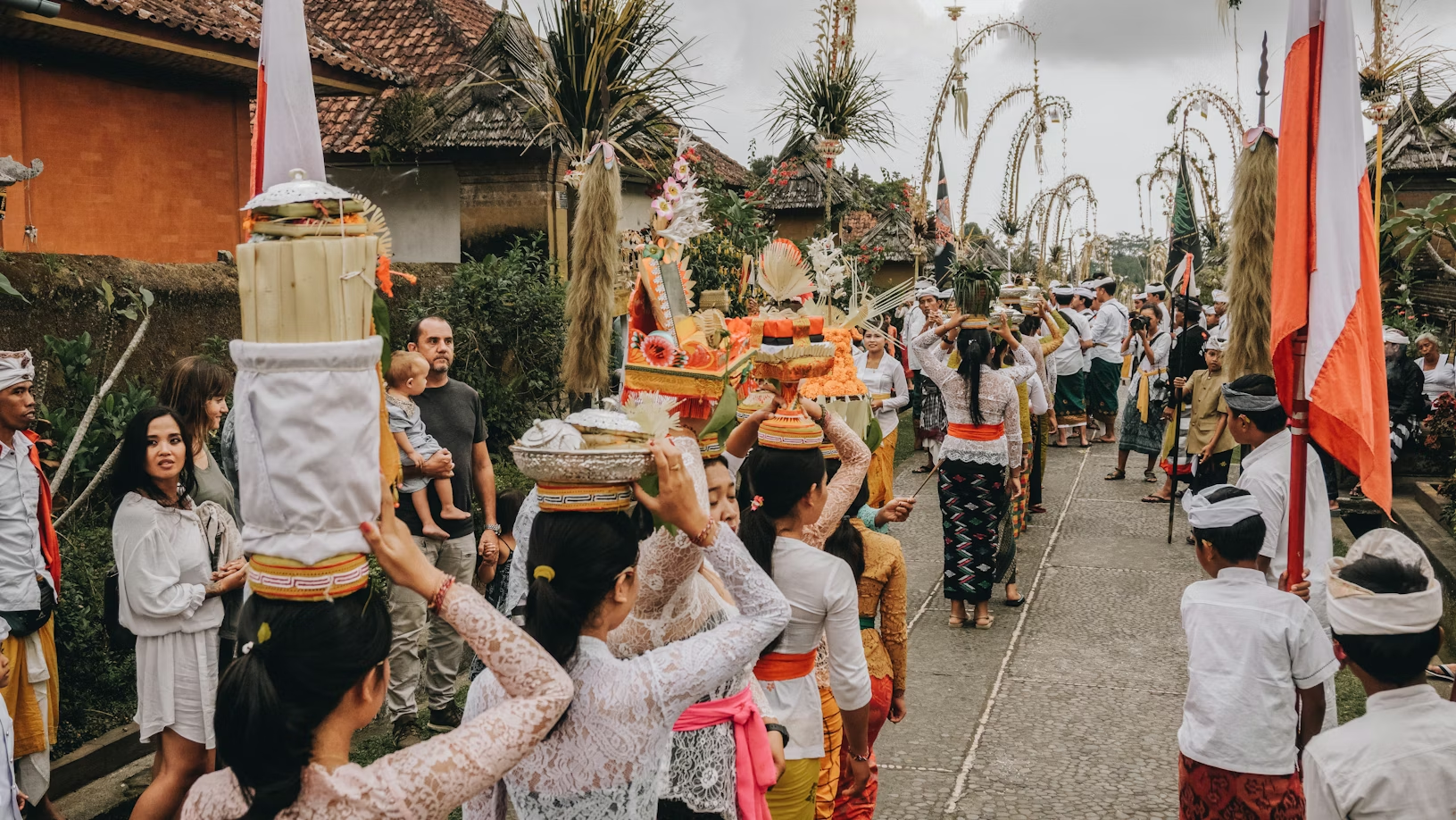
Bali’s culture is everywhere. Temple ceremonies draw the attention of passersby, with incense smoke curling lazily into the sky. Women in vibrant sarongs place small woven offerings on doorsteps, and children play near sacred banyan trees. Travelers often join cooking classes, learning how to prepare traditional Balinese dishes, or participate in dance workshops where each movement tells a story of heritage and devotion. Markets overflow with handcrafted textiles, carved wooden statues, and fresh tropical produce, creating sensory layers of color, texture, and smell.
Evenings transform the island again. Sunsets paint the sky in shades of pink, orange, and purple. The sound of gentle waves mixes with distant laughter from beach bars. Travelers sit at open-air cafés sipping freshly brewed Balinese coffee, sharing stories with other visitors or locals. Music from small live performances drifts through streets. Fireflies dot gardens and riverbanks, adding a quiet, magical layer to the sensory experience. The pace slows, inviting reflection and connection.
Long-term stays bring a deeper rhythm. Remote workers set up laptops in shaded café corners while children play nearby, and local vendors continue their daily routines without hurry. Villas tucked into quiet hillsides offer privacy, often with views of volcanoes or the ocean. Boutique hotels emphasize sustainable design with bamboo, solar energy, and lush gardens, connecting visitors to the environment in subtle ways. Even short walks along narrow paths or quiet lanes reveal the continuity between daily life and cultural ritual.
The food scene mirrors the island’s diversity. Street-side warungs serve fragrant dishes, while small restaurants experiment with international flavors or plant-based menus. Farm-to-table cafés highlight fresh ingredients sourced within hours. Tasting menus and cooking classes invite travelers to engage their senses fully—smell, taste, texture, and visual presentation all playing a role in the experience. Social energy flows naturally. Travelers meet in shared spaces, swap stories, and form brief yet meaningful communities.
Safety, hospitality, and ease of travel make Bali accessible without diminishing the sense of discovery. Short ferry rides, quiet side roads, and simple signage allow visitors to move without stress. English is widely spoken in tourist hubs, yet the local language and customs remain visible and intact, preserving authenticity. This balance between familiarity and cultural depth strengthens Bali’s reputation as a world-class destination.
Bali’s appeal lies in this holistic experience. It combines nature, culture, wellness, and social energy into a seamless whole. Travelers can rest, explore, learn, and connect without feeling rushed. Each day offers new textures, flavors, sounds, and sights, yet the pace remains gentle and human-centered. Visitors leave not just with photographs but with memories of sensory moments and quiet realizations.
Sustainability efforts and community engagement further enhance the experience. Eco-friendly villas, locally sourced cuisine, and cultural preservation programs ensure that future travelers will encounter the same beauty and depth. The island encourages presence and mindfulness, rewarding those willing to engage fully with its landscapes, rhythms, and people.
In 2026, Bali’s popularity is not accidental. It reflects a shift in global travel values. Travelers no longer chase as many destinations as possible. They seek depth, engagement, and personal transformation. Bali delivers all of these. Its landscapes, culture, and daily rhythms invite visitors to slow down, breathe, and experience life fully. For many, Bali is more than a vacation—it is a place that shapes perspective, sparks creativity, and leaves lasting emotional impressions.