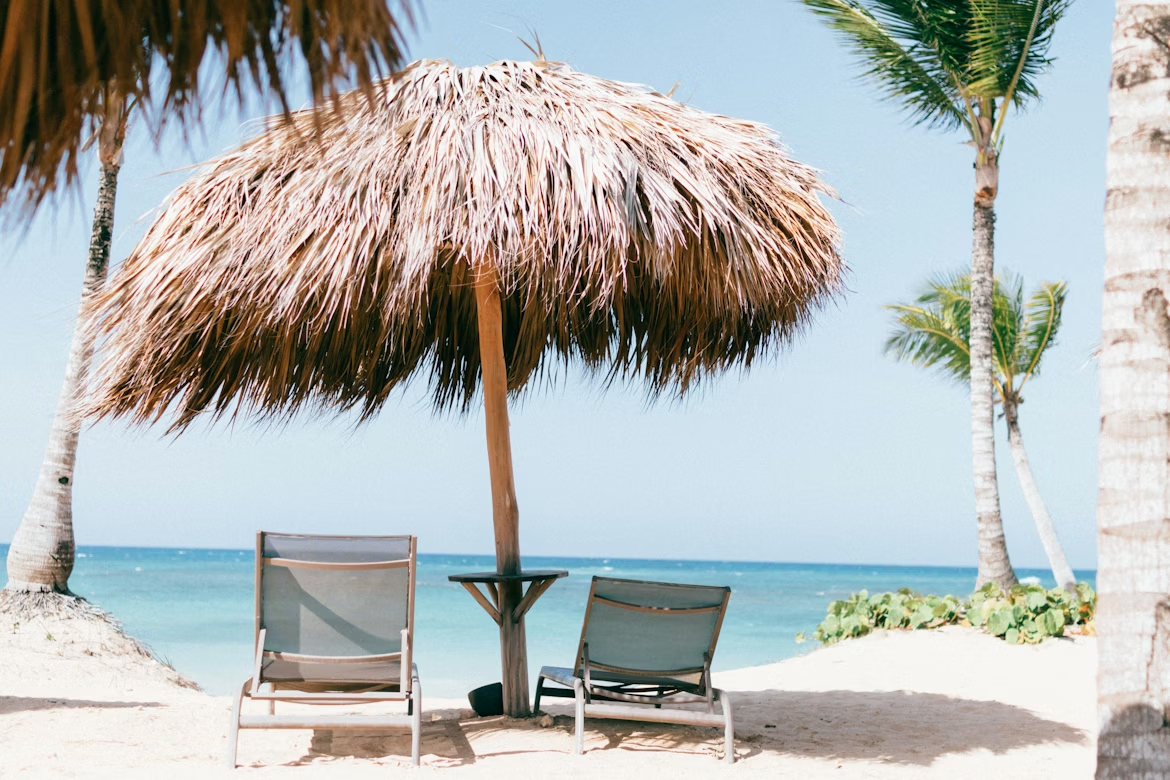
There is a quiet rhythm that only appears when the ocean is near. I wake before sunrise, the breeze carrying salt and faint warmth from the water. The sound of waves stretches across the room, gentle enough to lull without demanding attention. In these moments, a hotel is not measured by marble floors or chandeliers. It is measured by how it frames the coast, how it lets the sea dictate the tempo of your day.
On the Amalfi Coast, I first experienced this at Le Sirenuse in Positano. Opening the balcony doors, I felt as if the cliffs themselves had invited me inside. Boats drifted lazily below, their reflections mirrored in the water’s soft undulations. Mornings were ritualistic yet effortless: espresso in hand, pastries warming in sunlight across terracotta tiles. A simple pause to watch clothes dry in the coastal wind became a meditation of its own. Evening lanterns reflected on the water, distant laughter drifted upward, and I realized the hotel had disappeared—it was just me and the coastline.
In the Maldives, Soneva Fushi offered an entirely different kind of immersion. The villa’s path disappeared into the trees, and shoes were irrelevant from the moment I stepped off the boat. One afternoon, a sudden tropical downpour washed the island in liquid silver. Rather than retreat, I walked slowly through warm rain toward the spa. Wet wood exhaled its scent, and the distant horizon glowed orange and violet as the sun reasserted itself. Silence was complete, but it was alive, pulsing with subtle life. Every step reminded me that luxury here was not decoration, but attention—to air, to light, to the slow pace of water.
Australia’s Qualia on Hamilton Island felt like an expansive dream. The villas floated above the coastline, golf carts replacing cars, and each hour brought a shift in ocean color. Dolphins surfaced near the deck one morning while my coffee cooled untouched. That simple moment changed everything about the day: time slowed, breathing deepened, and I realized the luxury was in letting life happen outside, uninterrupted.
Closer to urban energy, Alila Marea Beach Resort in Encinitas, California, blended surf culture with refined restraint. Morning joggers and surfers passed quietly, while the ocean’s scent carried indoors. Afternoons stretched between slow beach walks and shaded reading nooks. Evening fog rolled in gently, cooling everything without need for machines. The city and the coast coexisted effortlessly, and I could feel it in how my pulse calmed and expanded simultaneously.
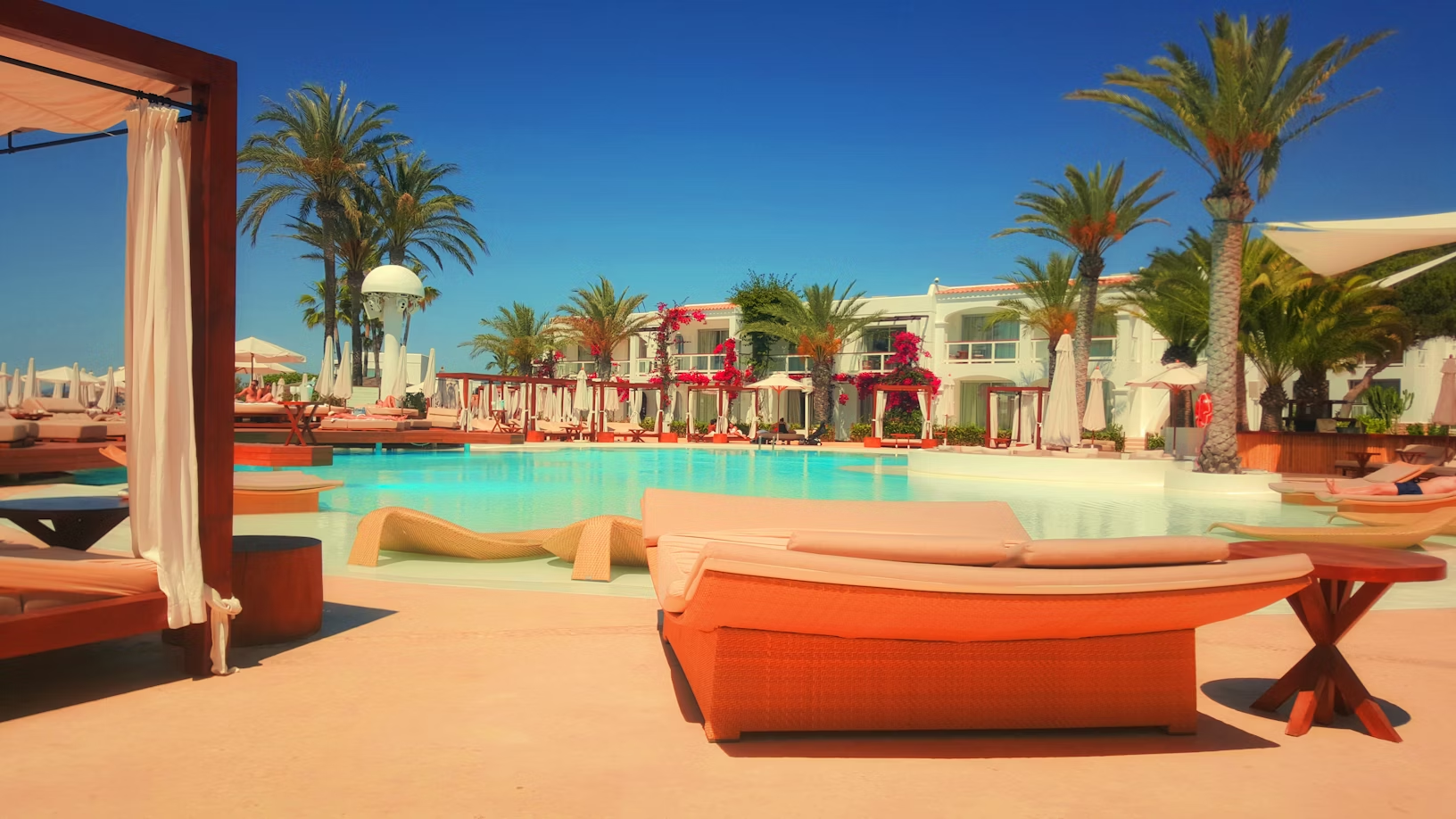
What binds these stays together is subtlety. Beds breathe. Showers flow reliably. Outdoor furniture invites real lounging, not posing. Waves enter the room without permission, yet never disrupt. Technology recedes, letting nature become the main character. The hotels themselves fade—they exist to support attention rather than demand it.
Location dictates movement. Steps lead to sand. Short paths connect cafés, trails, and decks. Even a single day can feel complete if you follow the coast rather than your itinerary. Design supports experience rather than distracts: soft wood, natural stone, and warm lighting that keeps stars visible at night. Everything has been considered, yet nothing feels imposed.
Luxury by the shore, I’ve realized, is not about excess. It is openness without exposure, privacy without isolation, and comfort without interruption. It is a hotel that disappears into the day so that the coast can speak for itself. Memory forms not through photos or lists, but through the body’s rhythms aligning with the tide. Each visit becomes a gentle instruction: slow down, breathe, notice, repeat.
By night, lying on a terrace with salt and wind pressing gently against skin, I understand. The coastline does not perform. The hotel does not impress. And yet, together, they create a sense of presence I carry long after the doors close.