This itinerary is designed for travelers who want to understand what each place actually offers, not just where to go next. It balances cultural depth, visual impact, food discovery, and walking comfort. Each day flows naturally to reduce fatigue while maximizing meaningful time on site.
Day 1 centers on old Tokyo and traditional atmosphere.
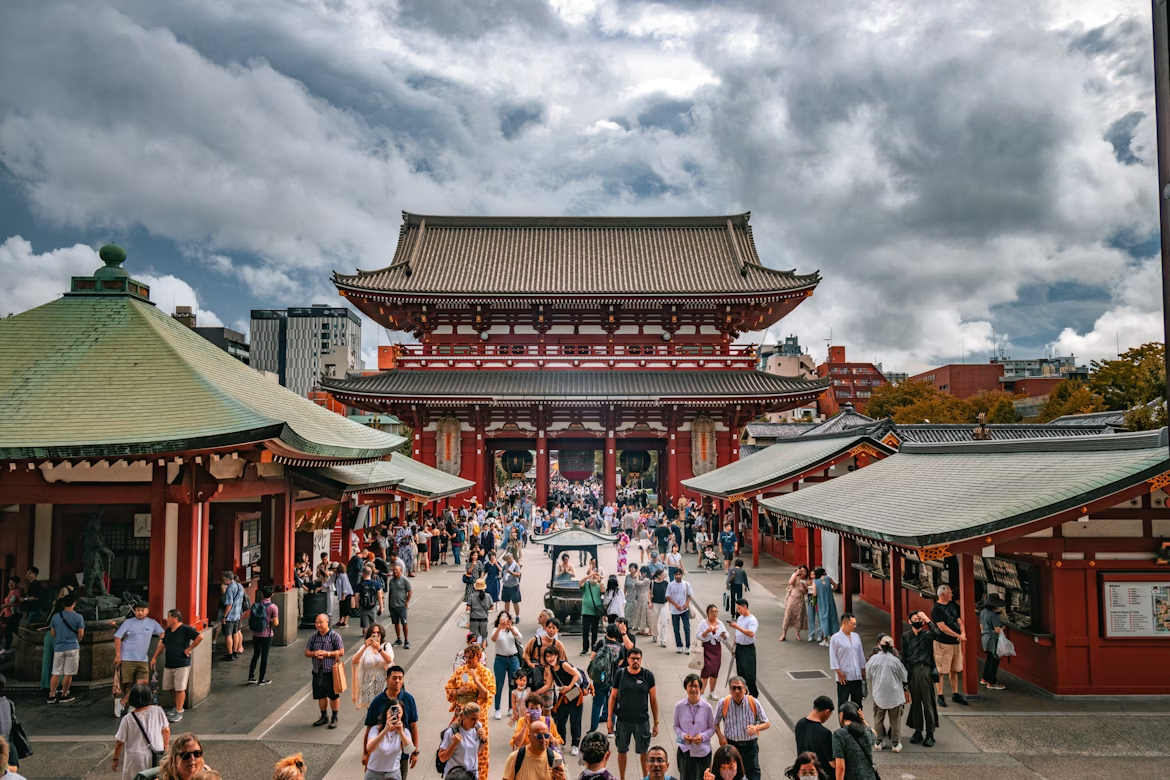
Begin the morning at Senso-ji Temple in Asakusa. Enter through the massive Kaminarimon Gate, where the red lantern becomes an immediate visual landmark. Walk slowly along Nakamise Street. Small stalls sell rice crackers, sweet bean cakes, paper fans, and handcrafted souvenirs. The smell of incense grows stronger as you approach the main hall. Visitors often pause to wash hands at the purification fountain before offering prayers. The temple courtyard feels lively yet calm at the same time. Spending about one to two hours here allows space for exploration and photos without rushing. Afterwards, walk toward the Sumida River. The riverside paths offer wide views of the skyline and gentle wind, which helps balance the crowded temple area.
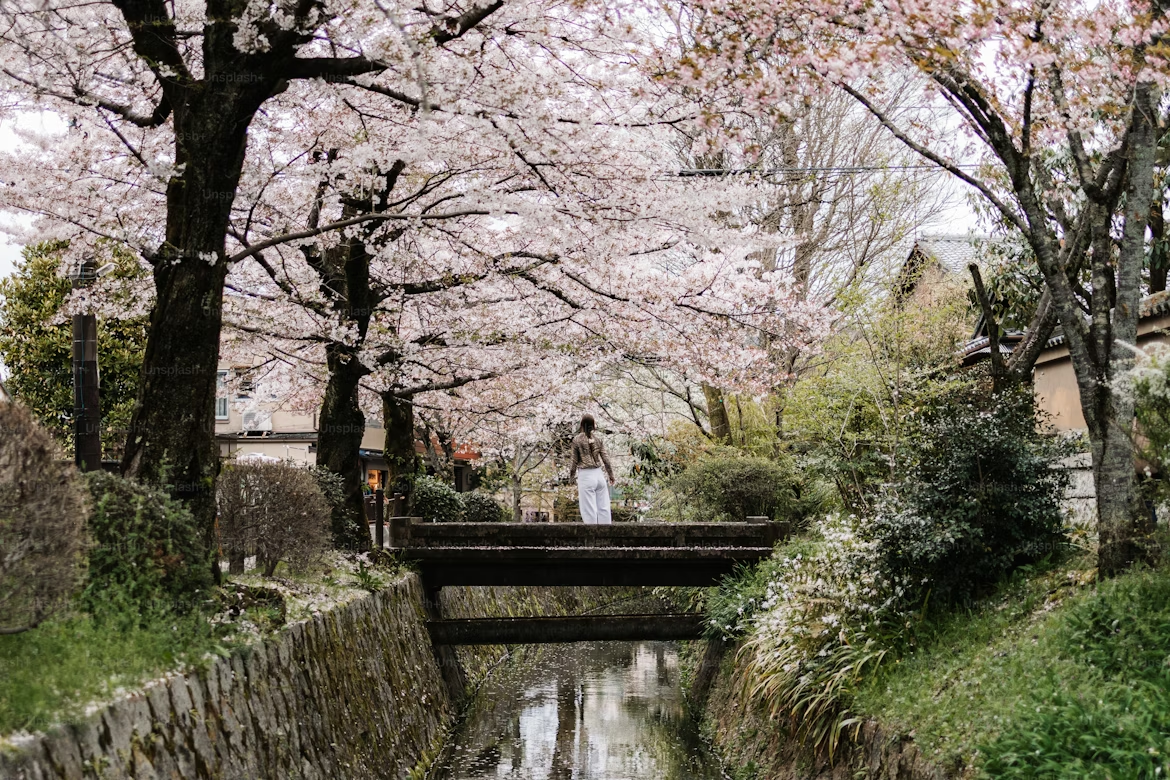
Next, take the subway to Ueno Park. The park contains several major museums and seasonal cherry trees. The Tokyo National Museum displays samurai armor, ancient ceramics, and delicate scroll paintings that explain Japan’s artistic history. Even a short visit gives cultural context to the city. Nearby, Ameyoko Market feels energetic and informal. Vendors sell grilled seafood, fresh fruit cups, spices, and street snacks. It works well for a casual lunch and people watching. In the evening, continue to Akihabara. Multi-floor electronics stores showcase gadgets, gaming gear, and anime merchandise. Arcades glow with sound and movement. The area feels playful and intense, making it ideal for an energetic first night.
Day 2 explores spiritual calm and modern city rhythm.
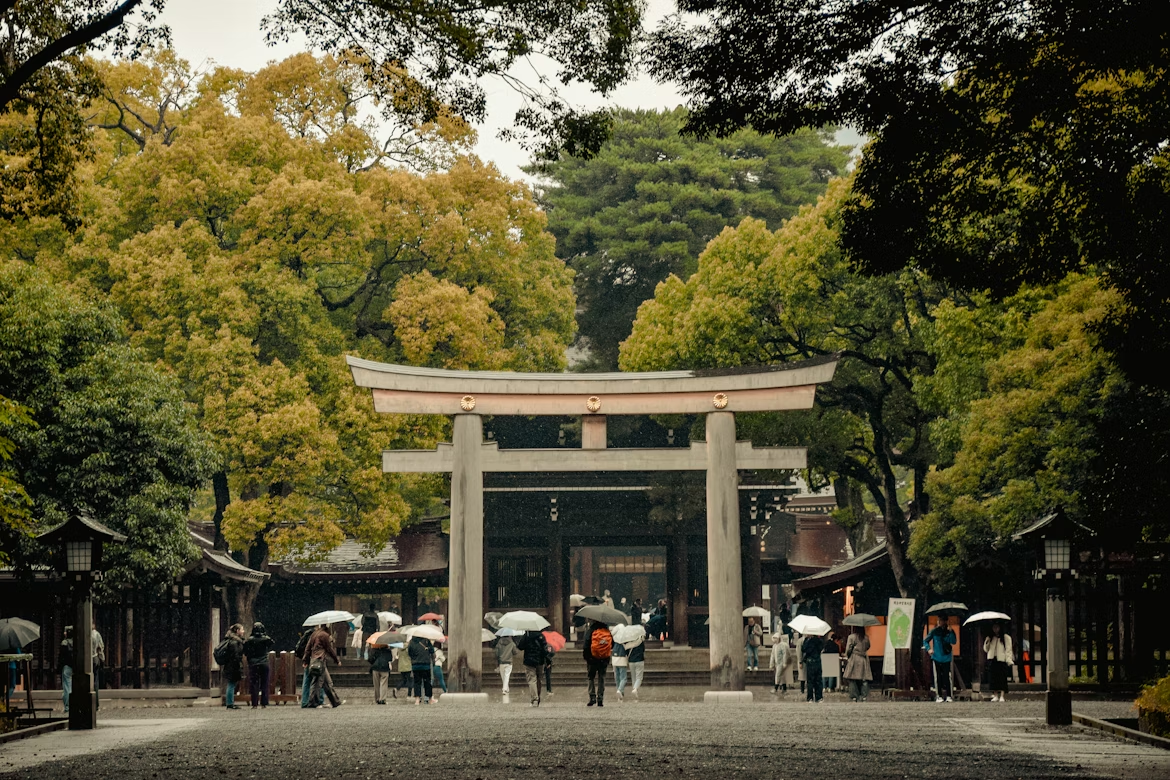
Start early at Meiji Shrine. The wide gravel paths pass through dense forest, blocking out traffic noise. Wooden torii gates frame the entrance, creating a ceremonial atmosphere. Visitors often witness traditional wedding processions or quiet prayer rituals. The shrine offers emotional contrast after the busy streets nearby. Plan about one hour for a relaxed walk.
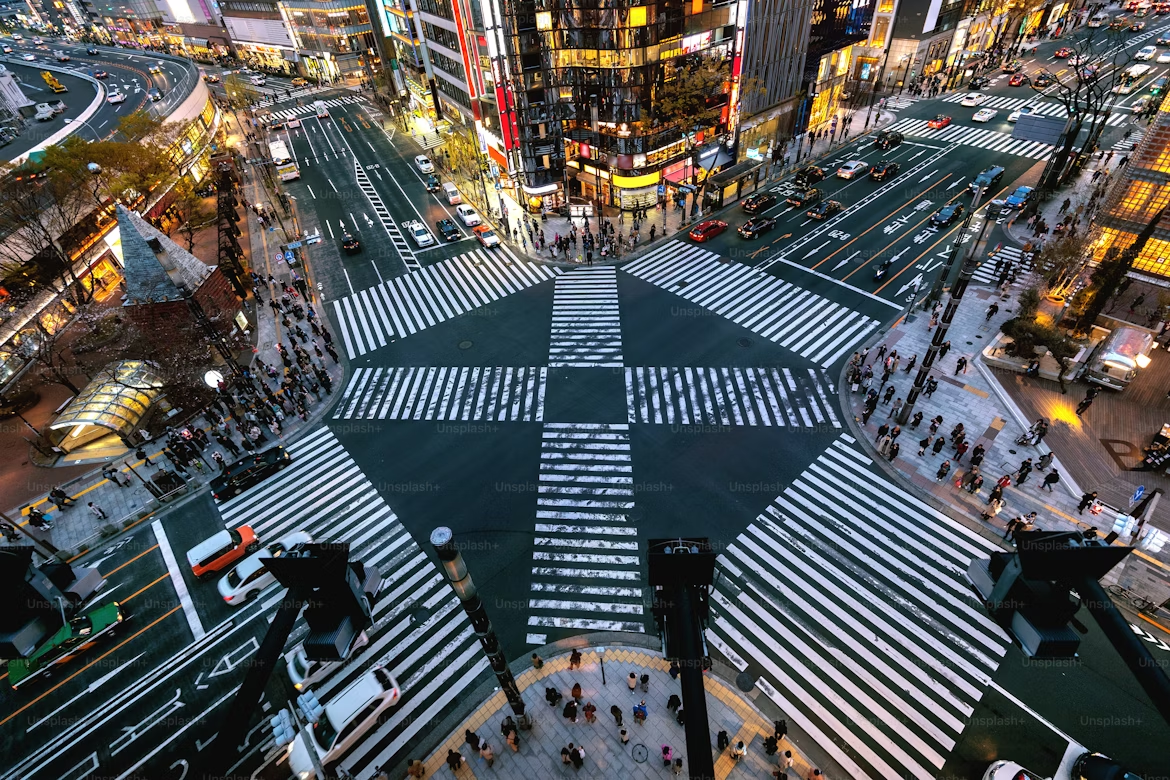
Then move into Harajuku’s Takeshita Street. Colorful fashion shops, crepe stands, and youth culture fill the narrow lane. It feels crowded yet playful. This area shows Tokyo’s creative street energy. After lunch, head to Shibuya. Crossing the intersection with hundreds of people moving in different directions creates a strong sense of urban scale. Viewing it from above offers a clearer perspective of movement patterns and city flow. Nearby cafés provide resting space. Later, travel to Shinjuku Gyoen National Garden. Wide lawns, landscaped ponds, and greenhouse collections slow the pace. Sitting on a bench here allows mental recovery after busy districts. In the evening, Golden Gai offers dozens of tiny bars that hold only a few people each, encouraging casual conversation with travelers and locals.
Day 3 highlights food culture, art, and waterfront space.
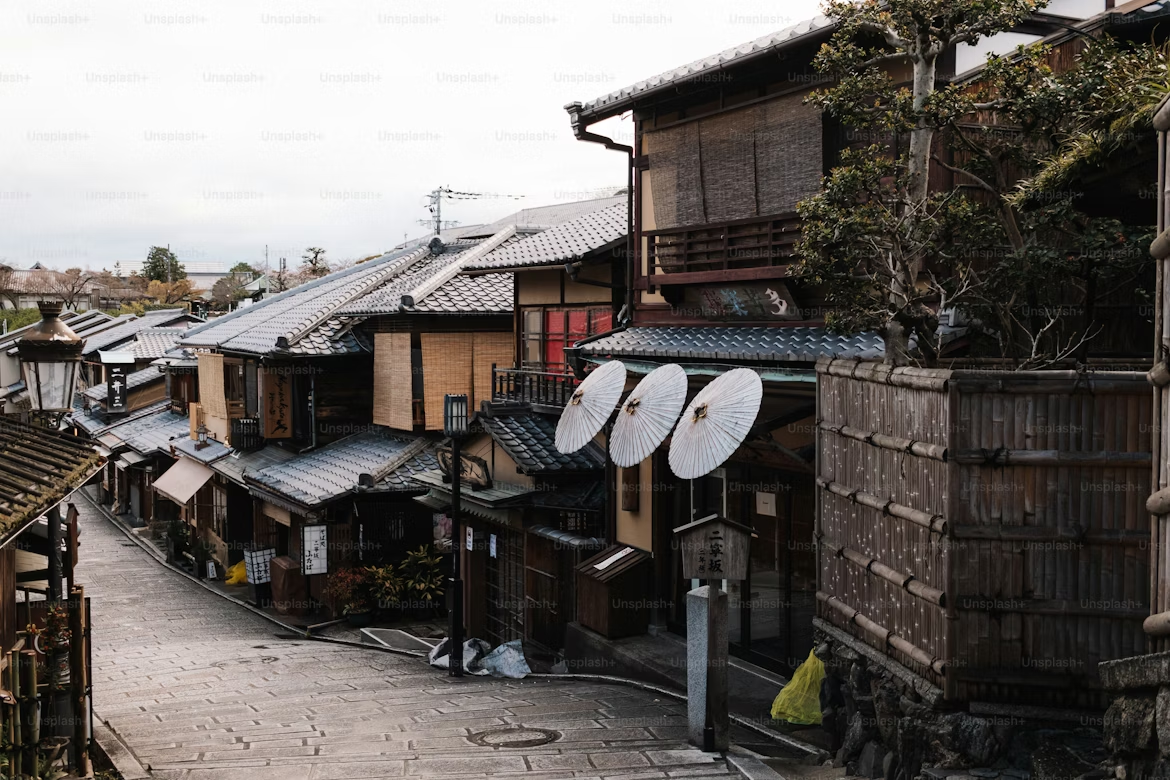
Begin at Tsukiji Outer Market. Vendors slice tuna, grill scallops, and prepare tamagoyaki omelets in front of customers. Sampling several small bites creates a moving food experience rather than one heavy meal. Observing the speed and precision of preparation reveals Japanese work culture. Then walk or ride toward Ginza. The wide streets display flagship architecture, art galleries, and polished storefronts. Even without shopping, the area feels visually refined and calm.
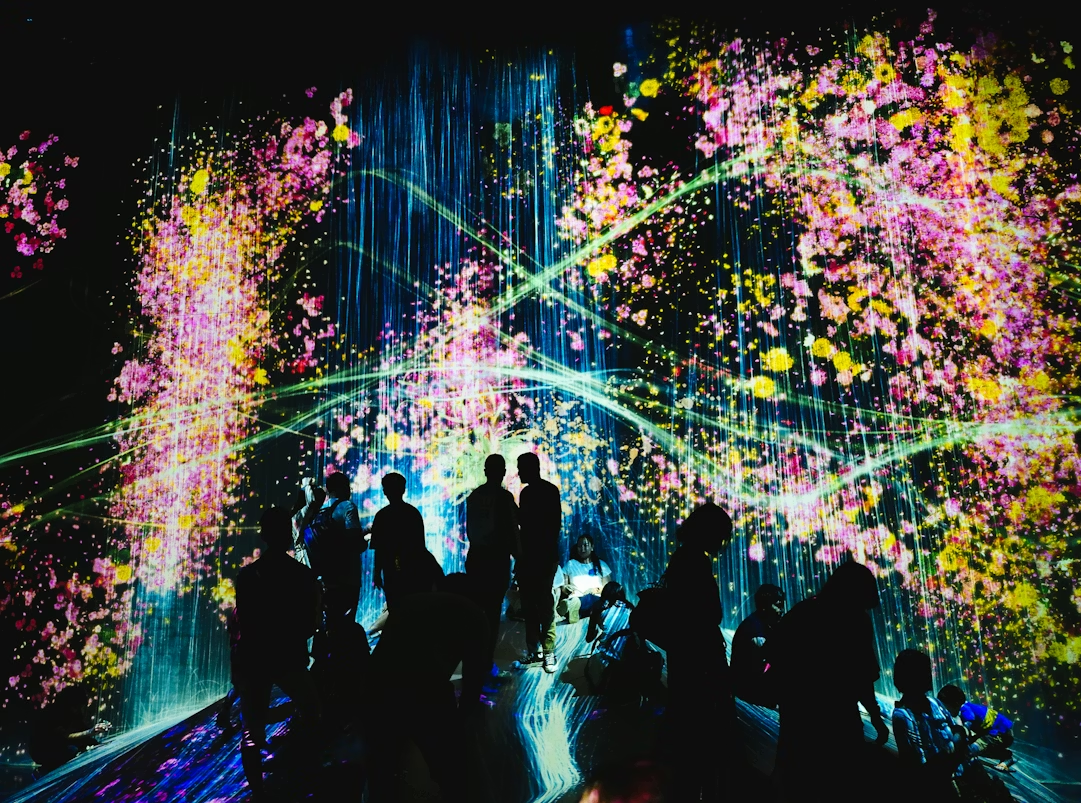
Next, visit TeamLab Borderless. Rooms respond to motion with moving light, projected waterfalls, and interactive digital gardens. Visitors often spend one to two hours exploring slowly and photographing immersive spaces. Afterwards, travel to Odaiba. The waterfront boardwalk offers open sky, ocean wind, and distant skyline views. Sunset reflections create peaceful closure for a visually rich day.
Day 4 allows deeper neighborhood exploration.
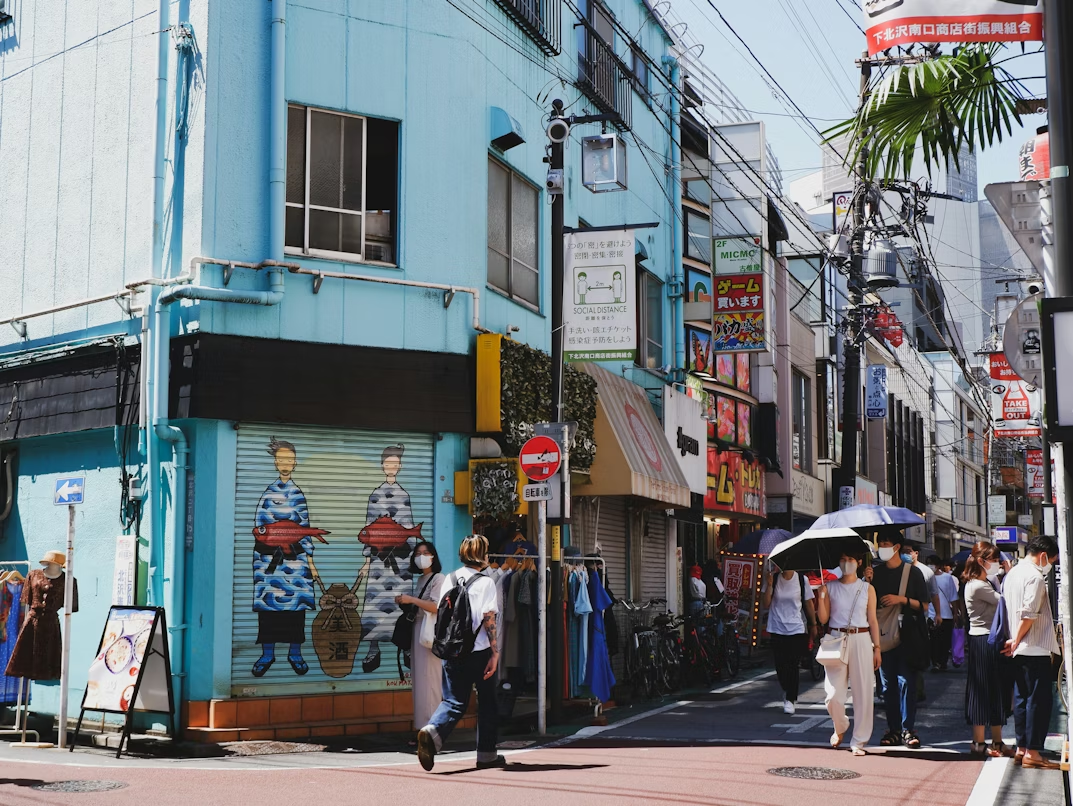
Yanaka preserves narrow streets, wooden homes, and local bakeries. Small temples hide between residential lanes. Walking here feels slower and more intimate than central districts. Alternatively, Shimokitazawa offers vintage clothing shops, record stores, and relaxed cafés. Street musicians and independent designers create creative energy. Choose based on personal interest.
Day 5 works best for panoramic views or short excursions.
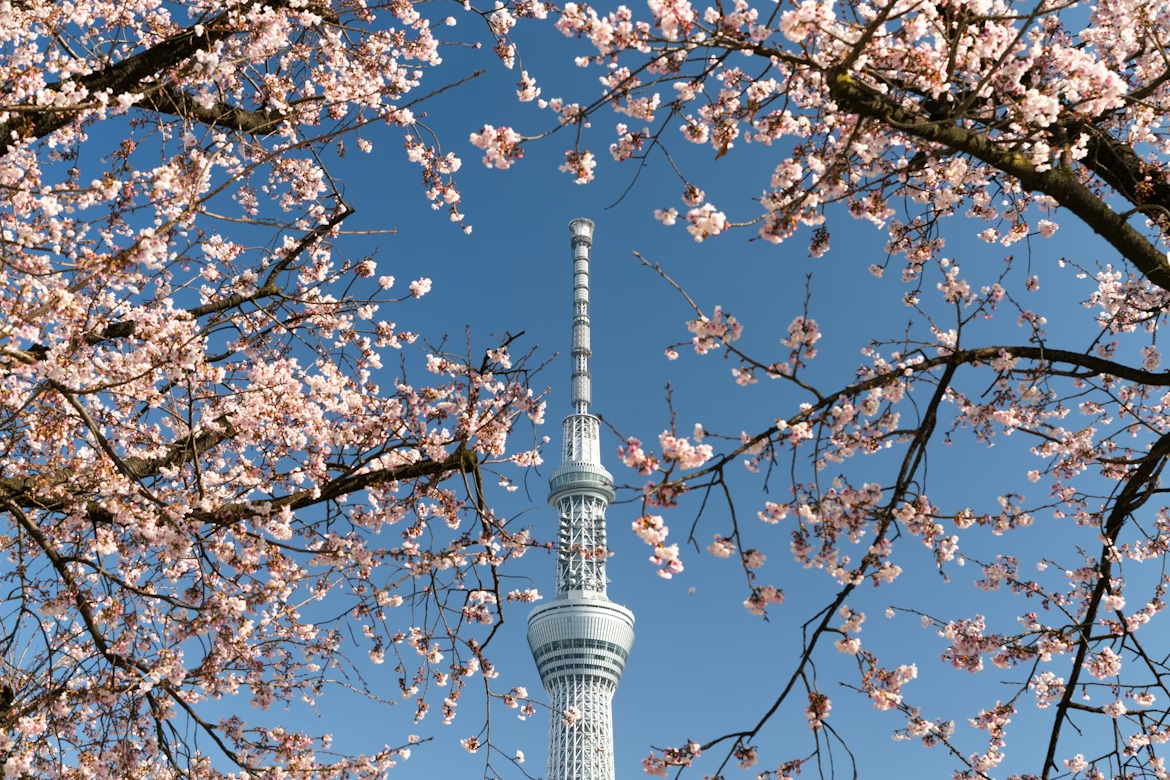
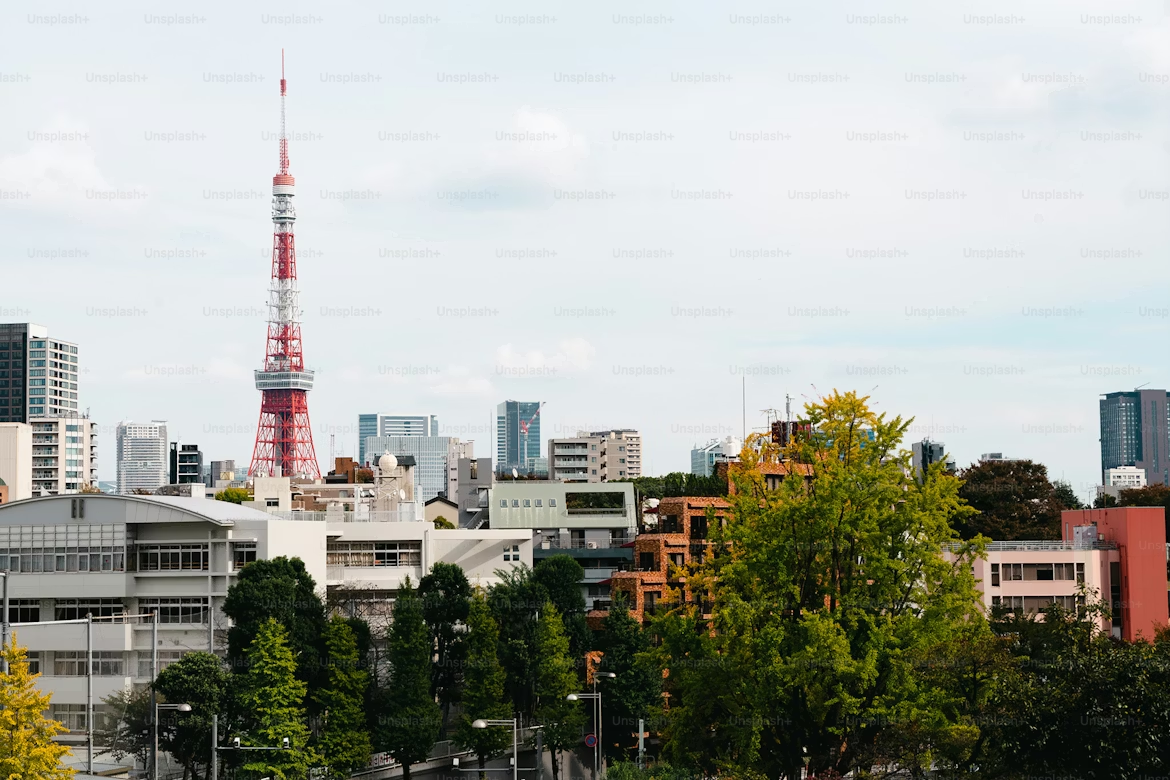
Tokyo Skytree provides wide-angle views of the city grid and surrounding mountains on clear days. The elevator ride itself feels smooth and fast. Alternatively, Kamakura offers large Buddha statues, coastal temples, and short hiking trails within easy train distance. Both options add scale and contrast to the trip.
Transportation remains efficient throughout the itinerary. IC cards simplify entry across networks. Navigation apps guide transfers clearly. Avoid peak commuter hours when possible.
This plan delivers both structure and flexibility. Each location offers clear visual, cultural, or emotional value. Travelers gain context rather than rushing between landmarks. As a result, the journey feels layered, balanced, and memorable.