Traveling to Antarctica is unlike any other journey. There are no cities, no cafés, and no familiar comforts. The continent offers no distractions beyond ice, water, wildlife, and silence. Choosing to go there is less about sightseeing and more about intention. You are not visiting Antarctica to consume it. You are going to witness it.
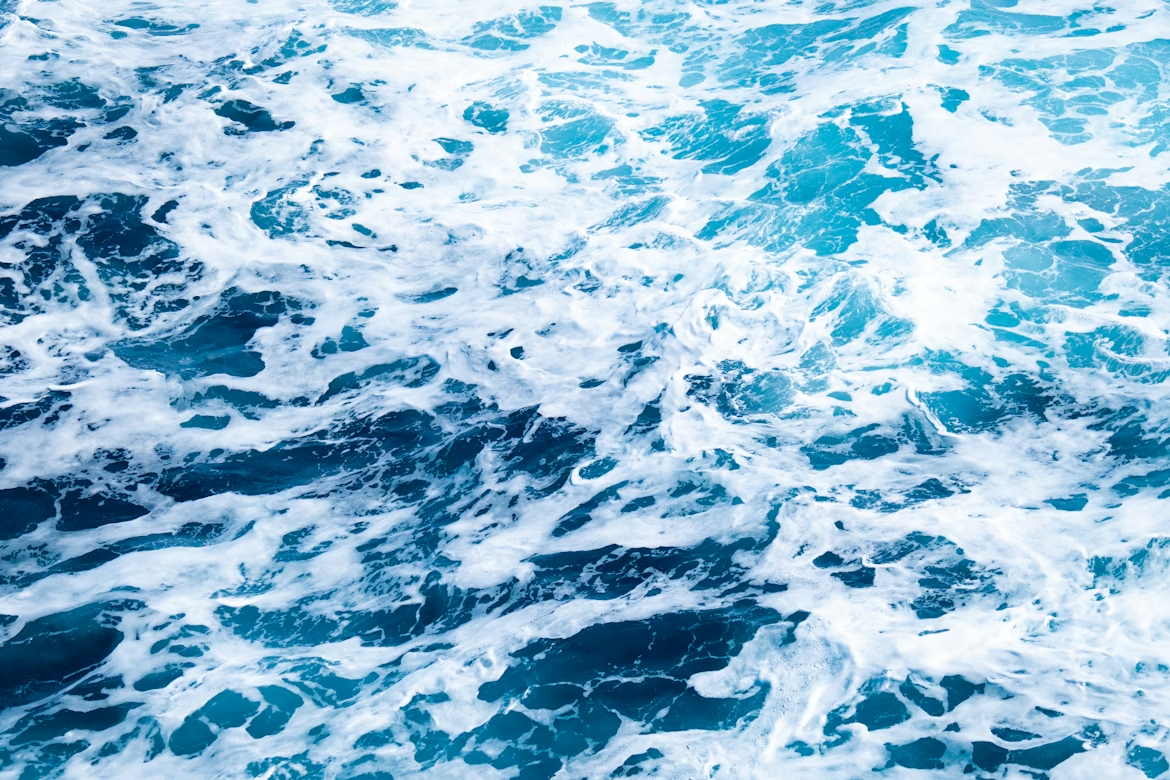
Most Antarctic journeys begin far from the ice. Travelers usually depart from Ushuaia, at the southern tip of Argentina. The city feels like a threshold rather than a destination. Ships prepare quietly in port. Gear is checked and rechecked. Conversations revolve around weather windows and sea conditions. From here, the journey south crosses the Drake Passage, a stretch of ocean known for its unpredictability. Two days at sea test patience and balance. The ship rises and falls with the waves. Time slows. Outside, the horizon remains empty.
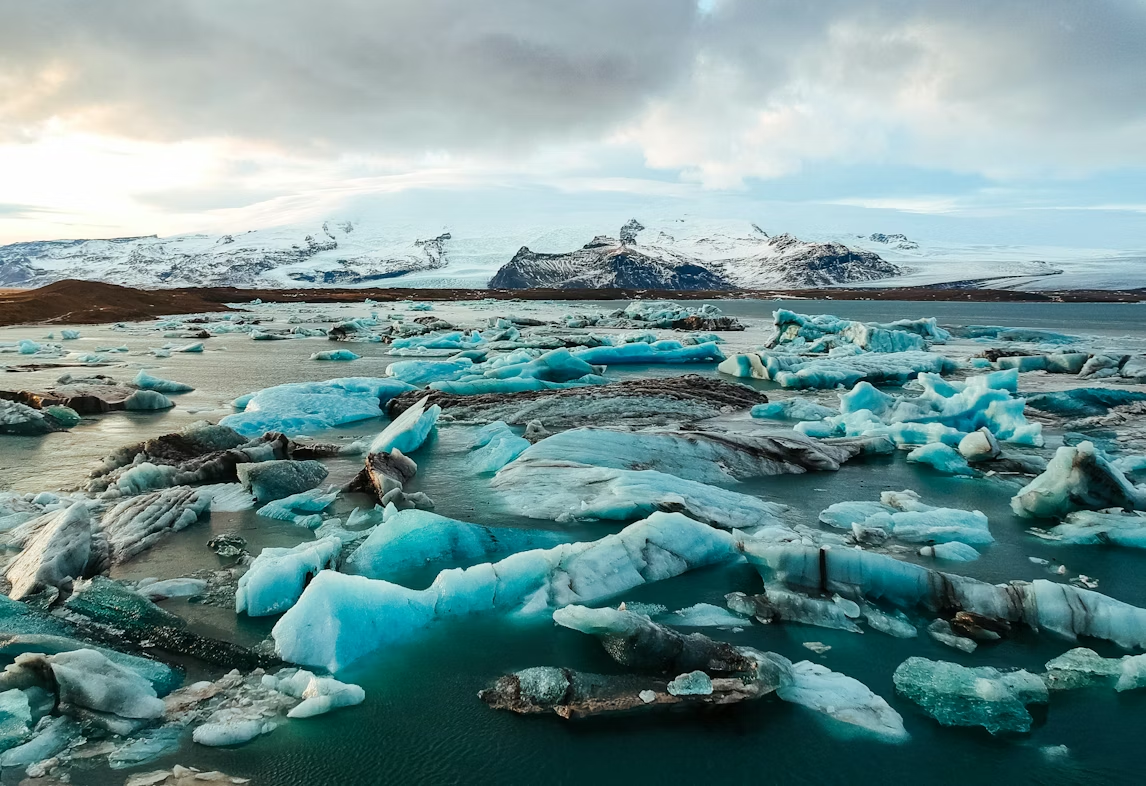
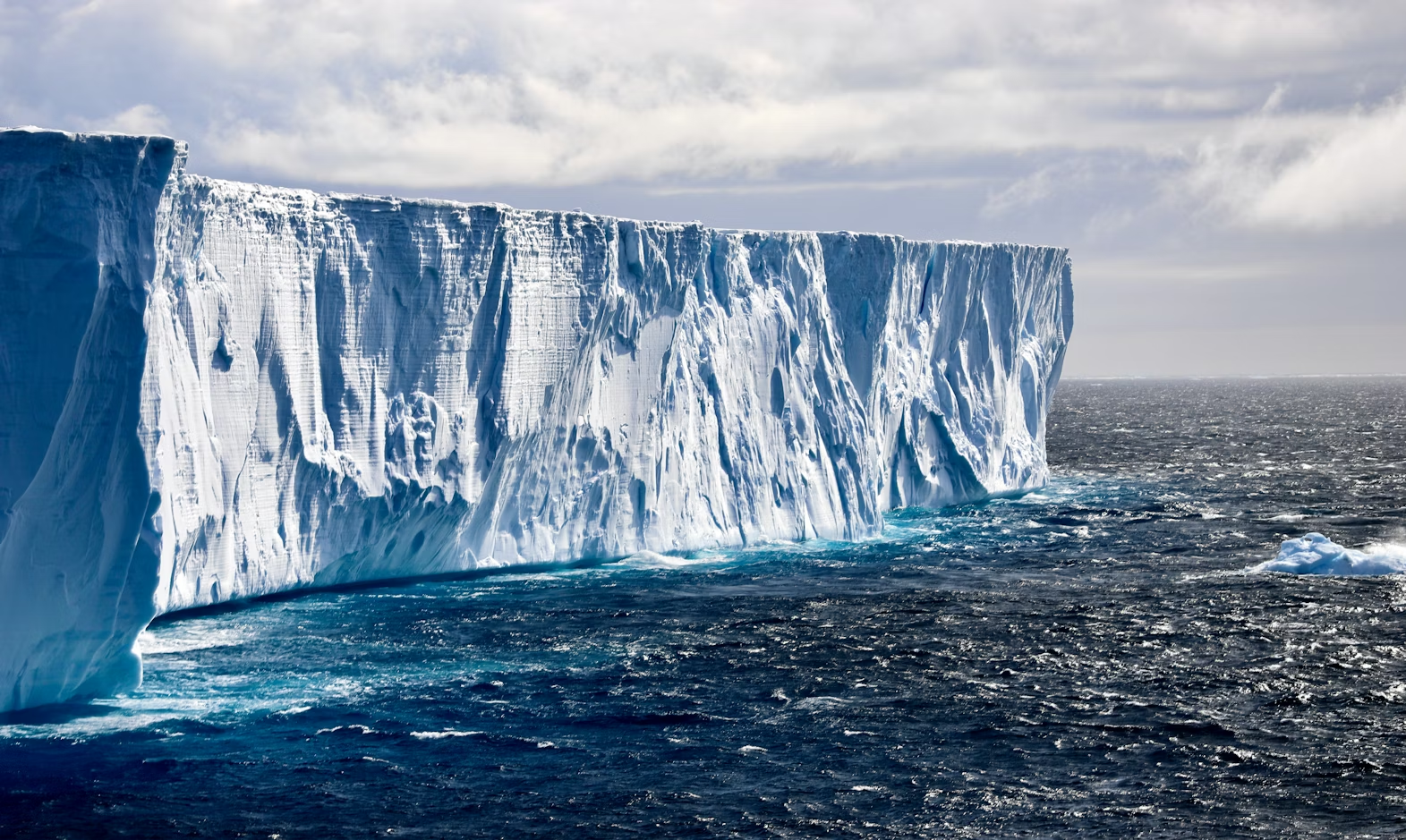
Arrival in Antarctica does not feel dramatic at first. Icebergs appear gradually. Mountains emerge from mist. The air grows sharper and cleaner. When the ship finally anchors near the Antarctic Peninsula, silence becomes noticeable. Engines lower. Voices soften. The landscape feels untouched in a way few places still are.
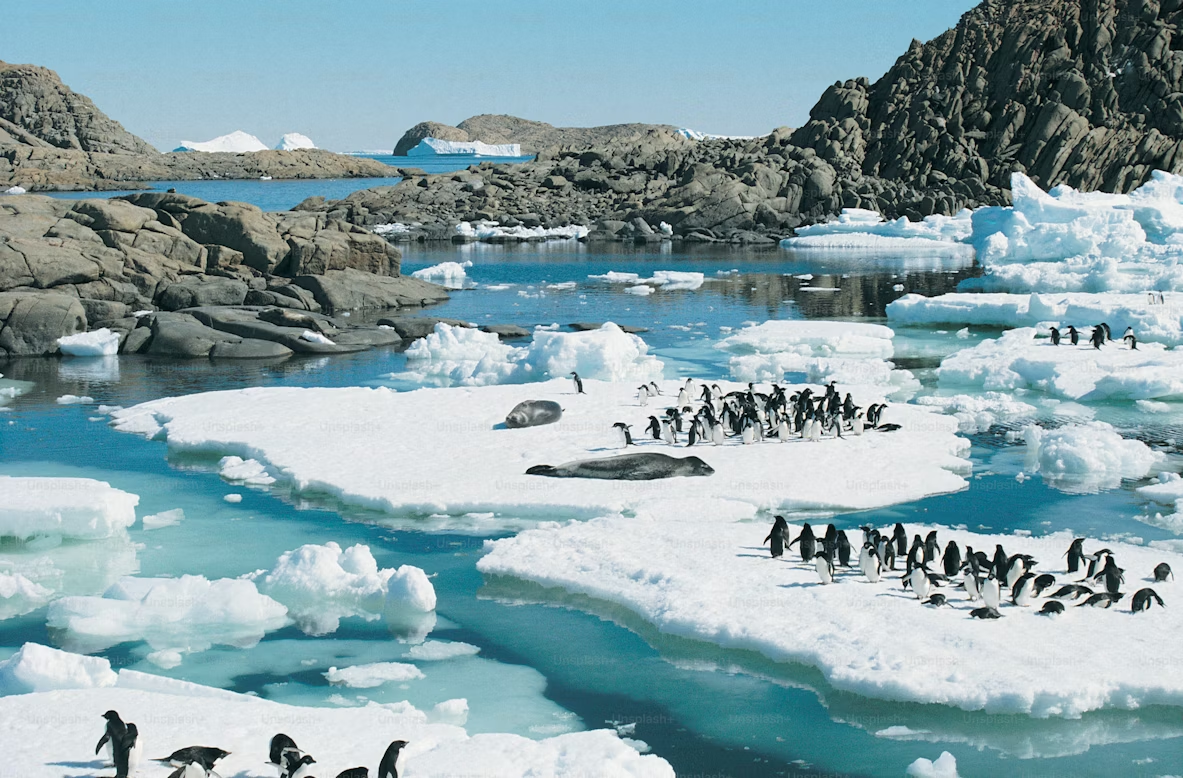
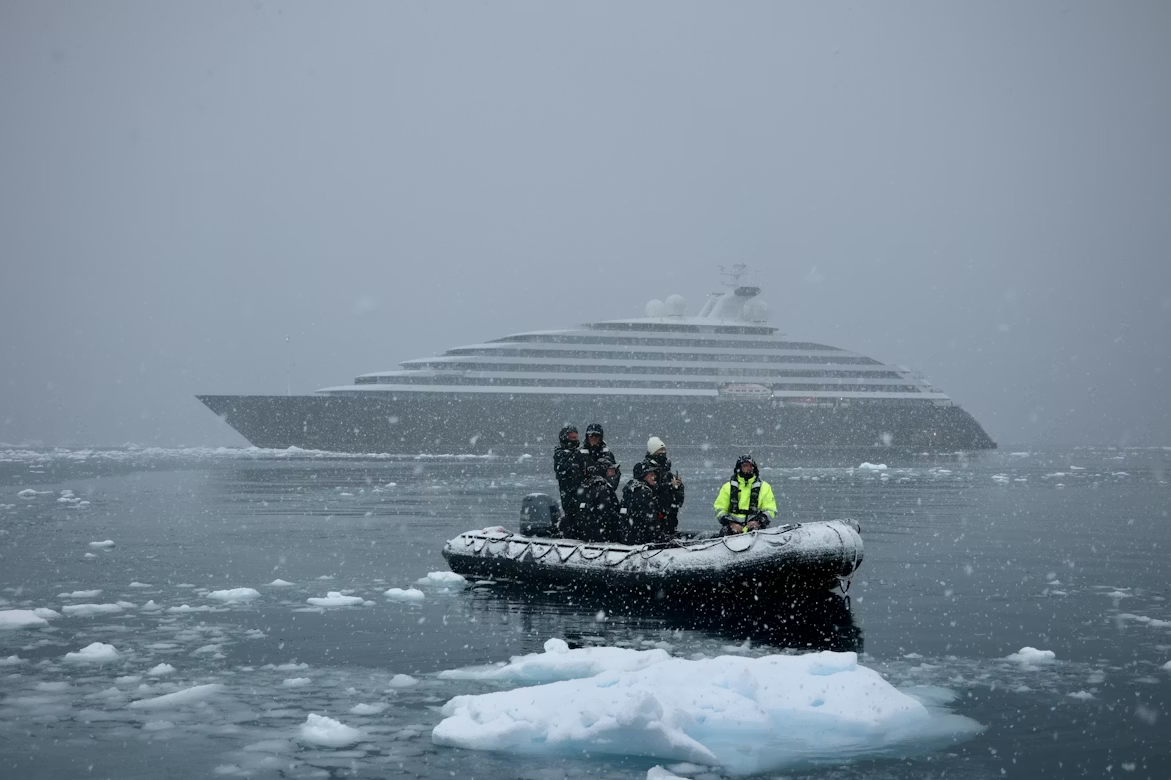
Daily life in Antarctica follows the rhythm of nature. There are no fixed schedules. Landings depend on ice, wind, and wildlife activity. Zodiac boats ferry small groups ashore, weaving between floating ice. Stepping onto land feels momentous. Snow crunches under boots. The cold feels dry and immediate. There is no smell of vegetation, only ice and sea.
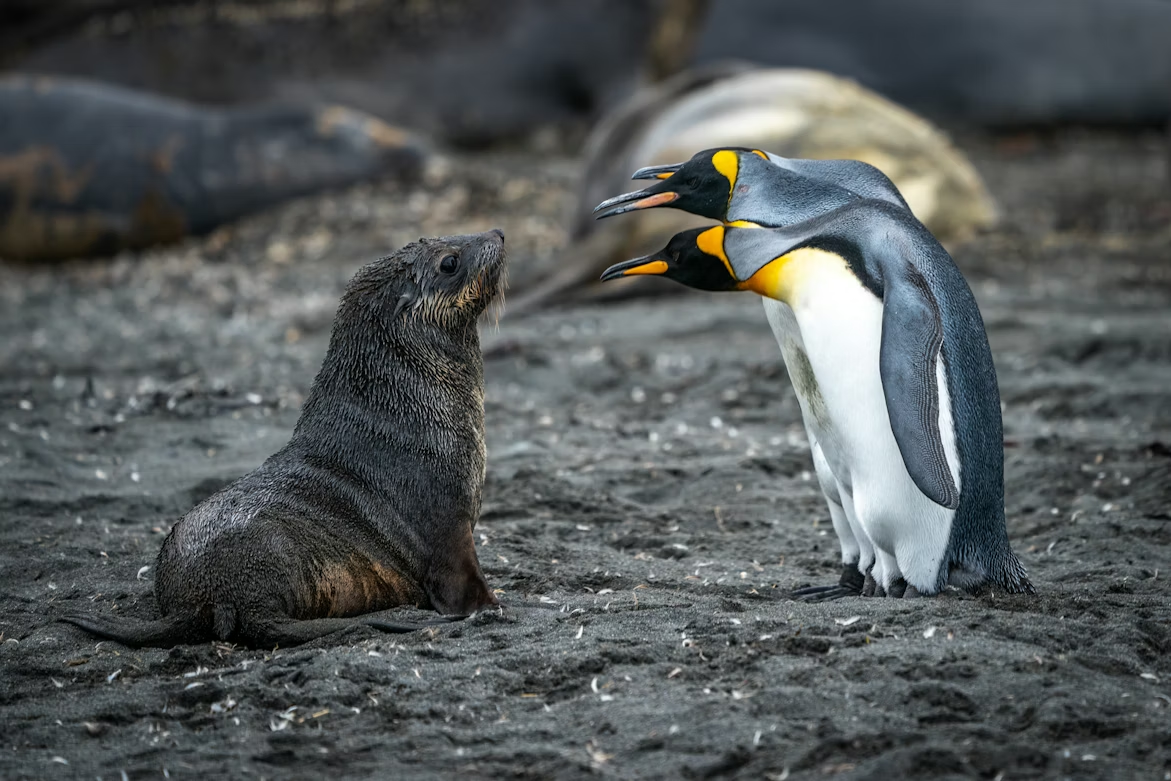
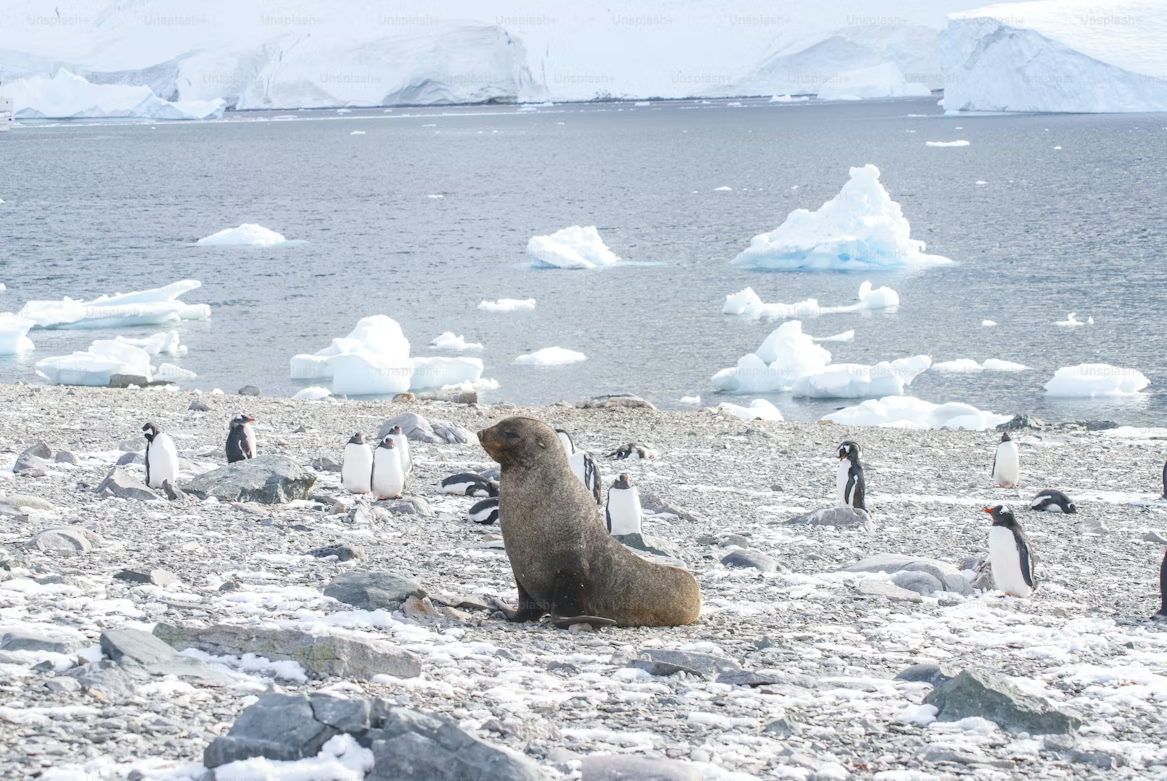
Wildlife encounters happen without barriers. Penguins waddle across paths with no awareness of human importance. Seals rest on ice shelves, lifting their heads briefly before returning to sleep. Whales surface quietly beside boats, their breath visible in the cold air. Observation rules are strict. Distance is maintained. Antarctica demands respect rather than interaction.
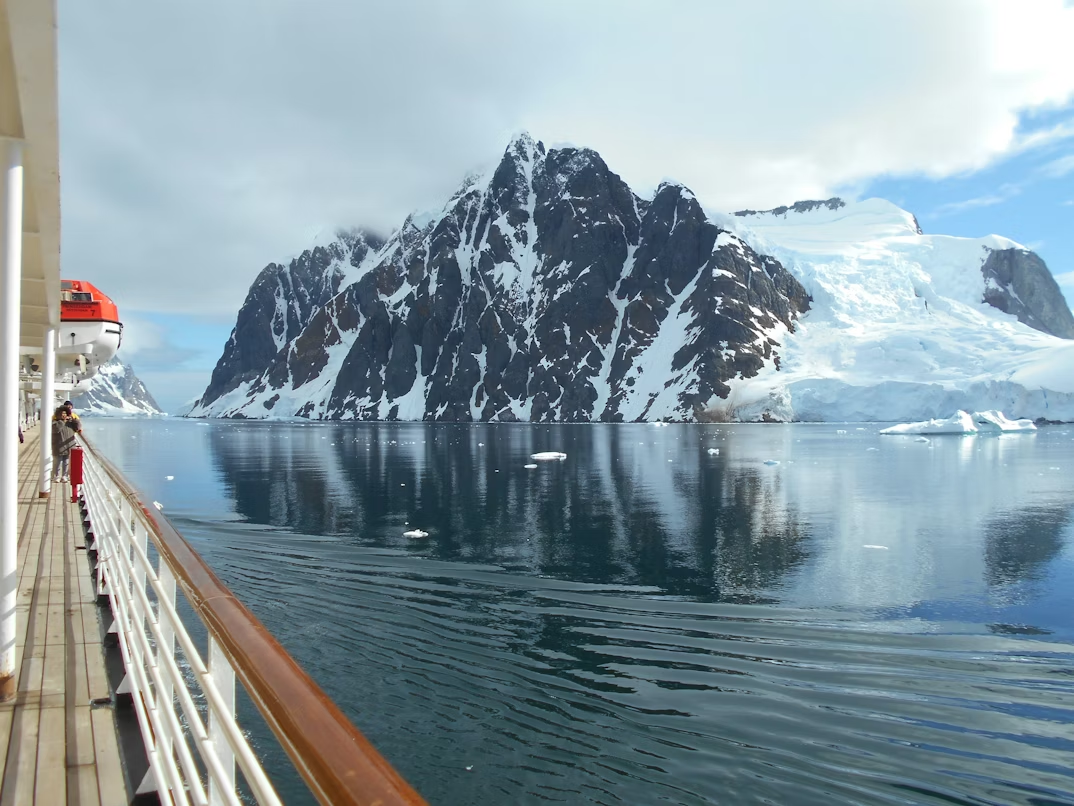
Guides shape the experience quietly. They explain glaciology, history, and environmental protection without overwhelming the moment. Many landings involve short walks across snow-covered ground. Others focus on stillness. Standing in one place, listening to wind move across ice, becomes a defining memory.
Accommodation during Antarctic travel is always onboard. Ships range from expedition vessels to high-end exploration yachts, but comfort is secondary to safety and access. Cabins are warm and functional. Windows become frames for drifting ice and changing light. Meals are communal. Conversations revolve around what was seen, not what was purchased.
Weather controls everything. Snow can arrive suddenly. Visibility can disappear within minutes. These changes are not inconveniences. They are part of the experience. Antarctica teaches flexibility. Plans adjust without frustration. Waiting becomes productive. Stillness becomes normal.
Travel to Antarctica is seasonal. Most journeys occur between November and March, during the southern summer. Early season offers pristine snow and dramatic ice formations. Mid-season brings peak wildlife activity. Late season delivers softer light and increased whale sightings. Each period offers a different character, none more correct than the other.
There is no independent travel in Antarctica. All visits are regulated under international agreements. This ensures protection of the environment and safety of travelers. Visitors leave no trace. Even footprints disappear quickly under snow and wind.
What stays with you after leaving Antarctica is not a checklist of places. It is the scale. The quiet. The feeling of being small in a vast system that does not notice your presence. The journey changes perspective. Noise feels unnecessary afterward. Simplicity feels sufficient.
Antarctica is not a destination for everyone. It requires time, patience, and acceptance of uncertainty. But for those willing to meet it on its own terms, the experience offers clarity unlike anywhere else on Earth. You return not with souvenirs, but with a deeper understanding of stillness, fragility, and wonder.